
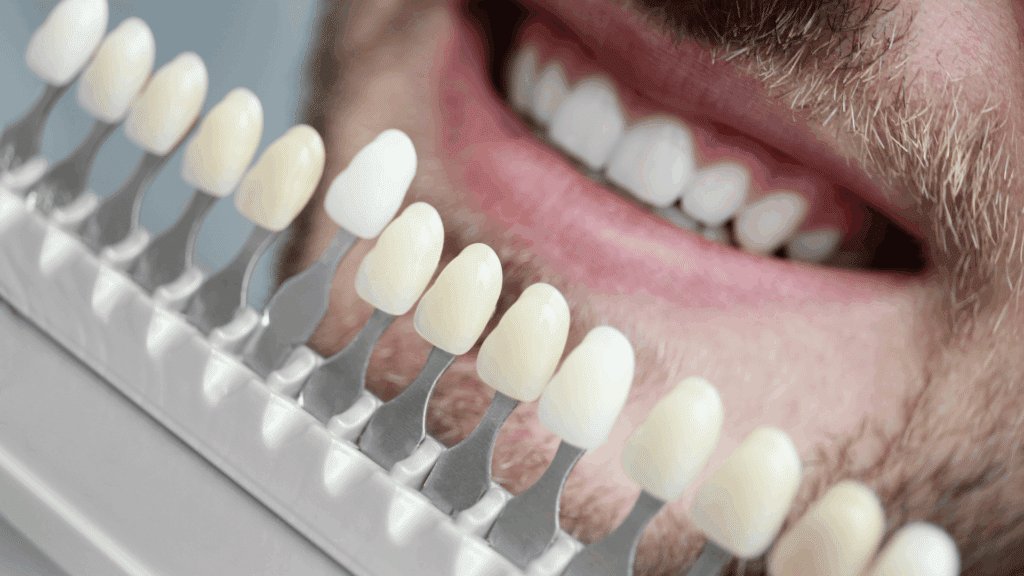
Some veneers look incredibly natural. Others stand out immediately. In most cases, the final result depends on the planning, materials, and overall smile design.
Modern porcelain veneers are made to closely resemble real teeth. When the shape, color, and proportions are customized carefully, most people will not even notice someone has veneers. On the other hand, poor sizing, overly white shades, or unnatural proportions can make veneers look artificial.
The experience of the cosmetic dentist also plays a major role. Small details often determine whether veneers blend in naturally or draw the wrong kind of attention.
Why Some Veneers Look Fake
You have probably seen them before. Teeth that look too white, too big, or too perfectly even. Instead of blending in, they stand out right away.
In most cases, the issue starts with poor planning. Some treatments skip proper smile design and use a standard veneer shape without considering the patient’s face, lips, or existing teeth. When that happens, the result often feels out of place.
Color choice is another common problem. A shade that is too bright or too opaque can look unnatural, especially under different lighting. Real teeth have depth and slight variation in color, and they reflect light in a soft way. When veneers do not match that, they become noticeable.
Size and proportion also matter. Veneers that are too long or too wide compared to natural tooth structure can create an unbalanced look that draws attention for the wrong reason.
Sometimes the issue is not the veneers themselves, but how many are placed. If only a few teeth are treated without blending them properly with the surrounding teeth, the contrast becomes obvious.
Good veneer work is never just about a single tooth. It is about how everything fits together as a smile.
What Makes Veneers Look Natural
When veneers are done well, they blend in so naturally that most people will not notice them at all.
One of the biggest factors is porcelain quality. High-quality porcelain reflects light in a way that is very similar to natural enamel. It has depth and subtle translucency, which helps the tooth look real rather than flat or overly bright. Lower-quality materials often lack this effect and can appear dull or too uniform over time.
Shape and size also play a major role. Natural-looking veneers are designed to match the proportions of your face, lips, and jaw. A skilled cosmetic dentist will consider your smile line, tooth width, and natural facial balance before finalizing the design.
The gum line is another detail that is often overlooked. If the gums are uneven, even well-made veneers can look off. In some cases, minor gum reshaping is done before or during treatment to create a more balanced frame for the teeth.
The number of veneers placed also matters. Treating only a couple of front teeth without blending them into the surrounding smile can create contrast. For a more natural result, veneers are usually placed across the visible smile zone so the color and shape stay consistent.
The Role of Smile Design and Dentist Experience
This is where the outcome is truly shaped. Smile design is the planning stage that happens before any treatment begins. A cosmetic dentist studies your facial features, natural tooth proportions, and overall smile goals before deciding how your veneers should look.
In many cases, digital smile design tools are used to show a preview of the final result. This helps patients understand how their new smile may look and allows adjustments to shape or size before anything is made permanent.
Experience also plays a major role. Cosmetic dentistry is not only about technical skill. It also requires an understanding of facial balance and natural tooth appearance. When these details are considered carefully, veneers blend in naturally rather than standing out.
The provider you choose can have a major impact on the final result. While many dentists can place veneers, working with someone who focuses on cosmetic cases often leads to more natural and balanced outcomes.
Choosing the Right Shade and Shape
One of the most common mistakes is choosing the brightest white shade available. While it may look appealing in photos, it often appears too harsh in real life, especially when it does not match a person’s natural skin tone and facial features.
A well-planned smile usually involves more subtle shades. Warm whites, ivory tones, and slightly softer shades tend to blend better with natural teeth. The aim is not to create an artificial brightness, but to achieve a healthy, balanced smile that still looks like you.
Shape is just as personal as color. The right veneer shape depends on facial structure, smile style, and personal preference. Rounded edges often create a softer, more feminine look, while slightly straighter edges can give a more defined appearance. Some people prefer a youthful smile, while others want something more understated.
A thoughtful cosmetic dentist will guide these decisions with you, not for you. Your input matters throughout the process, and the goal is always to create a result that feels comfortable and natural for your face.
Can People Tell You Have Veneers?
With modern porcelain materials and proper smile design, the honest answer is usually no. When veneers are done well by an experienced cosmetic dentist, most people simply notice that the smile looks better. They rarely pinpoint exactly what has changed.
In most cases, that is the ideal result. Well-designed veneers should lead to comments like “your smile looks great,” not questions about dental work.
Looking at before and after photos from real patients can help set realistic expectations. The best results usually show a smile that looks refreshed and more balanced, rather than overly dramatic or artificial.
Of course, results can vary. Clear communication during the planning stage plays a big role. Patients who share their preferences and stay involved in the process often feel more satisfied with the final outcome.
Are Natural-Looking Veneers Worth It?
For many patients, the answer is yes. Veneers can improve a wide range of concerns, including discoloration, chips, cracks, spacing issues, and uneven tooth shapes. When planned and placed properly, they can create results that are both functional and visually appealing.
What matters most is having realistic expectations and working with the right cosmetic dentist. Natural-looking veneers are not a rare outcome. In fact, they are what most patients receive when treatment is planned carefully from the start.
Because veneers are a long-term investment, the provider you choose plays a major role in the final result. The goal is simple: a smile that feels natural, looks balanced, and gives you confidence without drawing unwanted attention.
Schedule a Consultation with Dr. Pearl Zadeh
If you have been thinking about veneers but still feel unsure about how natural they might look, understanding what really affects the final result can help you make a clearer decision. Good veneers should not change who you are. They should blend with your facial features, support your natural smile, and feel like a subtle improvement rather than a noticeable change.
Dr. Pearl Zadeh focuses on creating veneers that look natural and suit each patient’s individual features. Her approach to smile design is careful, detail-focused, and centered on results that fit the person, not just the teeth. If you are considering porcelain veneers and want to know what would work for your smile, you can schedule a consultation or call the office at (818) 716-6722. Our team is available to answer your questions and guide you through the next steps.
Click the button below to book your consultation.
Schedule a ConsultationFrequently Asked Questions
1. Do veneers always look fake?No, veneers do not always look fake. When they are designed properly with the right shape, shade, and proportions, they can look very natural and blend in with your existing teeth.
2. What makes veneers look natural instead of artificial?Natural-looking veneers depend on proper smile design, correct tooth proportions, suitable shade selection, and the skill of the cosmetic dentist. Small details make a big difference in the final result.
3. Why do some veneers look too white or bulky?Veneers can look unnatural when the shade is too bright, the size is too large, or when there is poor planning before placement. Lack of customization is usually the main reason.
4. Can people tell if you have veneers?In most cases, no. Well-designed veneers usually look like natural teeth. People often notice an improved smile but cannot tell that veneers were placed.
5. How do I make sure my veneers look natural?The best way is to work with an experienced cosmetic dentist who focuses on smile design. Clear communication and proper planning help ensure the final result fits your face and looks natural.