
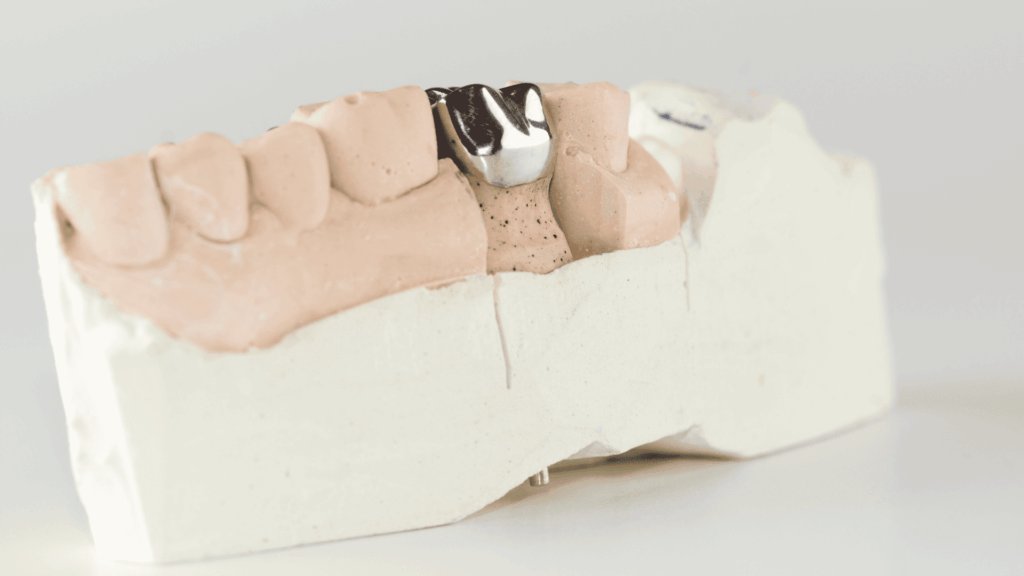
Metal crowns have been a reliable dental solution for decades. They are strong, durable, and protect teeth that experience heavy chewing pressure. Many people search for metal crowns when deciding how to repair a damaged or weakened tooth. Knowing how metal crowns work, what makes them different from other options, and when they are recommended can help you make the right choice for your smile.
What Are Metal Crowns?
A metal crown is a tooth-shaped cap made from metals or metal alloys. It covers the entire visible part of a damaged tooth, restoring its function and strength. Dentists usually recommend metal crowns for back teeth, where durability matters more than appearance. Metal crowns come in different materials, including gold alloys and base metal alloys, each offering varying strength and longevity.
When Dentists Recommend Metal Crowns
Dentists often suggest metal crowns for teeth that undergo heavy chewing or grinding. For example:
- Teeth with large fillings that cannot support a regular filling alone
- Molars that handle most of the chewing load
- Teeth that need long-term durability without focus on cosmetic appearance
Metal crowns can withstand strong bite forces, making them less likely to crack or wear down over time.
Metal Crowns vs Porcelain Crowns
When choosing a crown, many patients want to understand the difference between metal and porcelain crowns.
| Feature | Metal Crowns | Porcelain Crowns |
| Appearance | Metallic, noticeable | Tooth-colored, natural look |
| Strength | Extremely durable | Strong, but slightly less than metal |
| Longevity | Can last 20+ years | Typically 10-15 years |
| Ideal Location | Back molars | Front or visible teeth |
While metal crowns offer unmatched durability, porcelain crowns provide a natural, lifelike appearance. Many patients choose porcelain for teeth that show when smiling.
Daily Life With a Metal Crown
Once placed, metal crowns allow you to eat and chew normally. You can enjoy most foods without worry. However, avoid habits that put extreme pressure on teeth, such as biting ice or pens. Maintaining good oral hygiene is important to prevent decay on the tooth underneath the crown and to keep surrounding gums healthy.
Woodland Hills Porcelain Crowns
How Long Do Metal Crowns Last?
Metal crowns are known for their long lifespan. Many last 20 years or more with proper care. Factors that affect longevity include:
- Bite pressure and chewing habits
- Oral hygiene routines
- Regular dental checkups
- Bruxism or grinding
Because metal crowns resist wear better than many other materials, they remain a reliable choice for back teeth needing extra strength.
Considering a Crown? Learn About Porcelain Options
While metal crowns provide exceptional strength, many patients choose porcelain crowns for a natural look that matches surrounding teeth. Porcelain crowns also restore chewing function and protect weakened teeth. If you are considering a crown, visiting our Woodland Hills office allows a professional evaluation and a recommendation for the best option based on your tooth’s condition and your personal needs.
Schedule a consultation today to learn more about porcelain crown solutions and keep your smile healthy for years to come.
Schedule a ConsultationFrequently Asked Questions (FAQ)
1. Can metal crowns cause allergies?Allergies to dental metals are rare. Gold and high-quality alloys usually avoid common sensitivities.
2. Will a metal crown feel different when chewing?Most people adjust quickly. Once fitted, metal crowns function like natural teeth.
3. Can I replace a metal crown with a porcelain crown later?Yes. Some patients choose to switch for cosmetic reasons. A dentist can guide you on the best approach.
4. Are metal crowns visible when I smile?They can be noticeable on front teeth, which is why they are usually placed on molars and back teeth.
5. Can metal crowns affect the surrounding teeth or gums?When fitted properly, metal crowns do not harm surrounding teeth or gums. Good oral hygiene, including regular brushing and flossing, helps prevent gum irritation or decay around the crowned tooth. Routine dental checkups allow a dentist to monitor the crown and ensure it continues to fit correctly.