
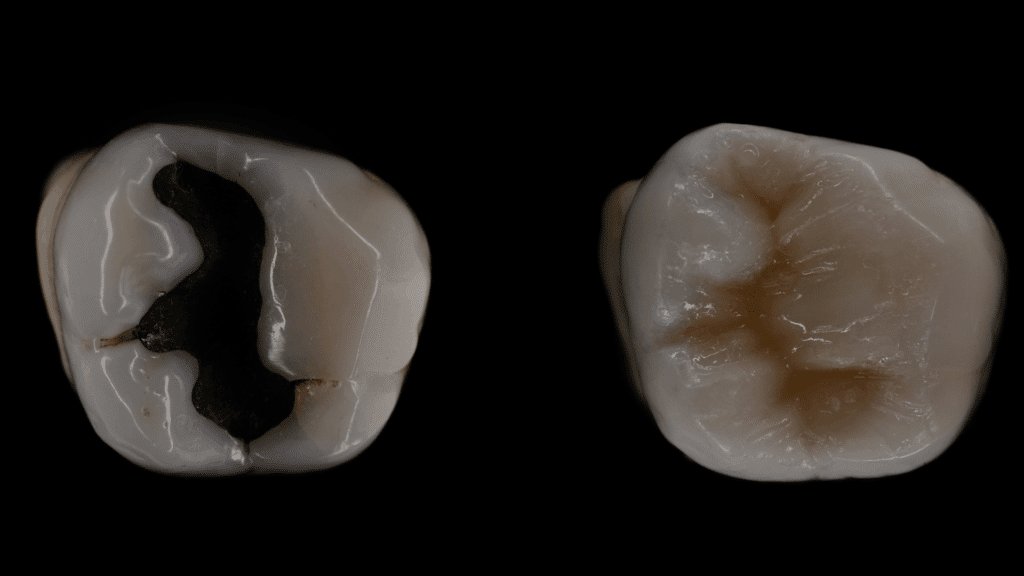
If you are thinking about removing your old silver fillings, you probably have a few concerns about what the process involves. Most patients want to know what side effects to expect and whether the treatment is actually safe.
The reality is that most people handle mercury filling removal without major issues. Some mild discomfort can happen, but it is usually temporary. What matters most is how the removal is done. A dentist who follows strict safety protocols, such as those recommended by the International Academy of Oral Medicine and Toxicology (IAOMT), takes specific steps to reduce exposure during treatment.
In this article, you will learn what you may feel before, during, and after the procedure, what is considered normal, and when it makes sense to contact your dentist.
Why Patients Worry About Mercury Filling Removal
Amalgam fillings contain about 50 percent mercury by weight. That fact alone makes many patients uneasy. Online forums and mixed opinions only add to the confusion.
Some of the concern is based on real science. Mercury is a known neurotoxin, and there is ongoing research and discussion about long-term exposure from dental fillings. At the same time, a lot of what people read online is overstated or not placed in proper context.
What many patients do not realize is that the removal process itself is where exposure can increase if it is not handled correctly. Drilling out an amalgam filling can release mercury vapor and tiny particles. Without proper protection, those particles can be inhaled or swallowed.
This is why the technique used during removal matters so much. To understand the process in more detail, you can read What Is Mercury Amalgam Removal and Is It Safe?
What Side Effects Can Occur After Mercury Filling Removal?
Most patients experience only mild and temporary effects after mercury filling removal. These usually settle on their own within a short time.
Mild Tooth Sensitivity
Some sensitivity is normal after any filling replacement. The tooth has been worked on, and it needs time to adjust.
You may notice discomfort when eating or drinking something hot, cold, or sweet. This usually improves within a few days to a couple of weeks.
If sensitivity does not improve or gets worse, it is best to check in with your dentist.
Gum Irritation
The gums around the treated tooth may feel slightly sore after the appointment. This is a normal response to dental treatment.
It usually settles within a day or two. During this time, gentle brushing and avoiding very hot or spicy foods can help reduce irritation.
Jaw Soreness
Keeping your mouth open for an extended period can strain the jaw muscles. This can happen with any longer dental procedure.
Some patients feel mild soreness or stiffness for a short time after treatment. A warm compress and softer foods can help ease this discomfort.
Temporary Bite Changes
When a filling is replaced, the new restoration may feel slightly different at first. The bite may need a small adjustment as your teeth settle.
This is common and easy to fix. A quick adjustment at a follow-up visit usually resolves it. If something feels off, it is better to mention it early so it does not lead to ongoing discomfort.
Emotional Relief and Peace of Mind
Some patients notice a sense of relief after completing the procedure. This is especially common in people who have worried about their fillings for a long time.
It is not a medical effect of the treatment. It is simply how people often feel after resolving something they have been thinking about for years.
Are Detox Symptoms Normal After Amalgam Removal?
Some patients report symptoms like headaches, fatigue, or feeling a bit “off” after amalgam removal. You may also come across the term “mercury detox” online and wonder if this is something to expect.
The honest answer is that there is no strong scientific consensus linking these symptoms directly to mercury release after removal. People’s experiences vary widely. Some feel completely normal after the procedure, while others notice short-term changes that may be related to stress, sensitivity to dental work, or the effects of local anesthesia wearing off.
What is well understood is that proper safety protocols reduce exposure during the removal process. That helps limit what the body comes into contact with at the time of treatment.
If you do not feel well after your appointment, it is worth paying attention to it. Rest, drink water, and contact your dentist if symptoms feel strong or do not improve within a couple of days. It is also important to discuss any existing health concerns before treatment so your dentist can plan appropriately.
How Safe Removal Protocols Reduce Potential Side Effects
IAOMT-based protocols focus on one main goal: reducing exposure to mercury during removal. Each step is designed to control where particles or vapor could be released and limit contact with the patient.
Here is what these steps involve in practice.
Activated Charcoal Before Treatment
Some practices may recommend activated charcoal before the procedure. The idea is that it may help bind small particles in the digestive tract if any are accidentally swallowed.
This step is optional and not used in every clinic. It is only one part of a wider safety approach.
Protective Barriers
Patients are covered with protective barriers during treatment. This helps prevent any particles from settling on the skin, face, or clothing.
It is a simple step, but it reduces unnecessary contact with debris outside the mouth.
Dental Dam Protection
A dental dam is a thin rubber sheet placed around the tooth being treated. It isolates the area completely.
This helps prevent fragments from entering the throat or being swallowed during removal. Many dentists consider this an essential part of safe amalgam removal.
Cooling the Filling During Removal
Heat can increase mercury vapor release. For this reason, water is used continuously during drilling to keep the filling cool.
This reduces vapor formation and helps control exposure during the procedure.
High-Volume Evacuation Systems
Special high-volume suction devices are used to remove vapor, particles, and aerosol directly from the mouth.
These systems are stronger than standard dental suction and help capture material at the source.
Dental Air-Vac Technology
Additional suction tools may be placed closer to the mouth or nose area. These help capture anything that escapes the main evacuation system.
This adds another layer of control during the procedure.
Alternative Oxygen Source
Some patients breathe through a nasal oxygen or filtered air system during removal. This reduces exposure to airborne particles around the mouth.
It also helps patients feel more comfortable during longer procedures.
Air Ionization and Ventilation
Proper airflow in the treatment room helps reduce airborne particles. Some clinics also use air ionization systems to support cleaner air during procedures.
This protects both the patient and the dental team.
Thorough Rinsing After Removal
Once the filling is removed, the mouth is thoroughly rinsed and cleaned. This helps clear any remaining particles before the procedure is completed.
It is a simple final step that supports overall cleanliness after treatment.
Why IAOMT Protocols Matter
The IAOMT is a group of dental and medical professionals who study and promote safer approaches to amalgam removal. Their guidelines are based on years of research focused on reducing exposure for patients, dentists, and clinical staff.
The key issue with amalgam removal is not the filling itself, but what happens when it is disturbed. Drilling into an amalgam filling without proper protection can release more mercury than leaving it untouched.
This is where protocols make a difference. They are designed to control exposure at each step of the process so that removal is done in a more controlled and safer way.
To learn more about how these standards apply in real cases, you can read Why IAOMT Protocols Matter in Mercury Amalgam Removal.
How to Prepare for Mercury Filling Removal
A little preparation can make the appointment more comfortable and predictable. Before your visit, it helps to go over your medical history with your dentist, including any conditions you have and any medications or supplements you are taking.
Some dentists may suggest basic nutritional support before and after treatment, depending on your individual case. They discuss this with you on a case-by-case basis.
It is also a good idea to keep your schedule light after the procedure, especially if several fillings are being removed. Most patients feel fine afterward, but having time to rest is still helpful.
On the day of your appointment, eat a normal light meal unless instructed otherwise. Wear something comfortable, and arrange transport if you expect to feel tired or if sedation is part of your treatment plan.
For a more detailed breakdown of what to expect before and after treatment, you can visit What To Do Before and After Mercury Amalgam Removal.
When Should You Contact Your Dentist After Treatment?
Most patients feel only mild and temporary discomfort after amalgam removal. Still, there are a few situations where it is best to check in with your dentist.
You should contact your dental office if you notice pain that does not improve after a few days or starts to get worse instead of better. Swelling in the gums, jaw, or face that does not go down is also worth reporting.
If your bite feels off and causes discomfort when you chew, you usually need a small adjustment. This is common after a filling replacement and is easy to fix, but you should not ignore it.
It is also important to reach out if you notice signs that could suggest infection, such as increasing pain, fever, or any unusual discharge from the area.
Some patients also experience sensitivity for a short period after the new restoration is placed. If this continues for more than a few weeks, it should be reviewed.
In general, if something does not feel right to you, it is better to call and ask. You do not need to second-guess it.
If you are still deciding whether your fillings need attention, you may find this helpful: How to Know If Your Amalgam Fillings Need Replacement. You can also read more about whether amalgam fillings can leak and what that might mean for your teeth.
What Matters Most Is How the Fillings Are Removed
Most patients do well after mercury amalgam removal. The most common effects include mild sensitivity, slight gum tenderness, and short-term jaw soreness. Serious complications are rare, especially when the procedure is done with proper care.
The main difference is technique. How the fillings are removed affects how much exposure occurs during treatment. A dentist who uses protective barriers, high-volume suction, controlled cooling, and other IAOMT-recommended steps manages the process very differently from a standard removal without those safeguards.
If you want to understand the process in more detail, you can read How to Remove Amalgam Fillings Safely.
Schedule Your Consultation with Dr. Pearl Zadeh
Dr. Pearl Zadeh follows IAOMT-recommended mercury amalgam removal protocols designed to maximize safety and comfort for every patient. From protective barriers and high-volume evacuation to proper cooling and thorough post-removal rinsing, every step is taken with your wellbeing in mind.
If you are ready to discuss your fillings and find out whether removal is the right choice for you, we are here to help.
Call (818) 716-6722 or click the button below to schedule your consultation online.
Schedule a ConsultationFrequently Asked Questions
1. What are the most common side effects of mercury filling removal?Most patients notice mild tooth sensitivity, some gum tenderness around the treated area, and short-term jaw soreness from keeping the mouth open during the procedure. These are common after many dental treatments and usually settle within a few days to a couple of weeks.
2. How long does sensitivity last after amalgam removal?Sensitivity to hot, cold, or sweet foods often improves within a few days. For some patients, it can take a few weeks for the tooth and surrounding tissue to fully settle. If sensitivity lasts longer than about four weeks or starts to worsen, it is best to have the area checked by your dentist.
3. Can mercury filling removal make you sick?When a dentist removes mercury fillings using proper safety protocols, most patients do not experience illness. Concerns about exposure relate to the removal process itself, which is why safety steps matter during treatment.
Some patients notice short-term symptoms such as tiredness or headaches, but these are usually mild and temporary. If anything feels unusual or lasts longer than expected, contact your dentist for a check.
IAOMT protocols play a key role in biological and mercury-safe dentistry because they reduce exposure during removal. Without these precautions, drilling into amalgam releases mercury vapor and particles. These steps help control exposure for the patient, dentist, and staff during treatment. Many dentists see them as an important part of safe practice.
5. Is mercury filling removal safe?Mercury filling removal is safe when a dentist uses the right technique and precautions. Dentists use protective barriers, high-volume suction, cooling during drilling, and proper air management in the treatment room to control exposure. If you have specific health concerns, talk with your dentist before treatment so they can adjust the approach if needed.
Related Articles:
- What Is Mercury Amalgam Removal and Is It Safe?
- What to Do Before and After Mercury Amalgam Removal
- Why IAOMT Protocols Matter in Mercury Amalgam Removal
- How to Know If Your Amalgam Fillings Need Replacement
- Safe Mercury Filling Removal: What Every Patient Should Know
- Should You Replace Old Silver Fillings Even If They Don’t Hurt?
- Are Amalgam Fillings Leaky? What Dr. Pearl Zadeh’s Dental Office Wants You to Know