Pearl Zadeh DDS

Category: Dental Anxiety & Comfort

  • Is Dental Sedation Safe? What Nervous Patients Should Know Before Treatment

    Is Dental Sedation Safe? What Nervous Patients Should Know Before Treatment

    Many patients feel relieved when they learn sedation dentistry is available, but safety questions often come next. They want to know whether they will remain awake, how dentists monitor them, and what happens if they have a health concern during treatment.

    Dental sedation can help nervous patients feel more comfortable, but it is not necessary for everyone. Understanding how sedation works and the safety measures dentists follow can help you decide whether it is the right choice for your needs.

    What Is Dental Sedation?

    Dental sedation uses medication to help patients relax during dental procedures. Dentists may recommend it for patients with dental anxiety, a strong gag reflex, difficulty sitting comfortably through treatment, or those who need longer appointments.

    Sedation is different from general anesthesia. General anesthesia places a patient into an unconscious state and is typically used for specific surgical procedures that require advanced monitoring. Most dental sedation allows patients to breathe independently and respond to their dentist during treatment.

    Sedation is available at different levels. Minimal sedation, such as nitrous oxide, helps patients feel calm while staying awake and responsive. Moderate sedation, often provided through oral medication, creates a deeper state of relaxation. Deep sedation, commonly associated with IV sedation, requires closer monitoring because patients enter a much more relaxed state.

    Is Dental Sedation Safe for Anxious Patients?

    Dental sedation is considered safe for many patients when it is provided by a trained dentist who properly evaluates their health history beforehand.

    Before recommending sedation, your dentist reviews factors such as your medical conditions, current medications, allergies, and previous experiences with sedation or anesthesia. This information helps determine which option is appropriate and whether any precautions are needed.

    For anxious patients, sedation can make dental care more manageable. However, it works best alongside other comfort measures, including clear communication, breaks during treatment, and a dental team that understands your concerns.

    What Are the Risks of Dental Sedation?

    Like any medical treatment, dental sedation has possible risks. Most side effects are temporary and may include drowsiness, mild nausea, headache, or light-headedness depending on the type of sedation used.

    The level of risk depends on the sedation method. Nitrous oxide is a lighter form of sedation, while oral and IV sedation create deeper levels of relaxation and require additional monitoring.

    Your dentist considers your overall health, the procedure being performed, and your anxiety level before recommending sedation. A proper evaluation helps reduce risks and ensures the treatment plan is appropriate for you.

    Sedation should only be provided by a dentist or provider trained in administering it and responding to potential complications. Before treatment, ask about their experience with the specific sedation option being recommended.

    How Dentists Keep Patients Safe During Sedation

    Patient safety begins long before your procedure starts. Every step, from your initial evaluation to your recovery, is designed to reduce risk and make sure sedation is appropriate for you.

    Before treatment, your dentist reviews your medical history, current medications, allergies, and any previous reactions to sedation or anesthesia. They may also ask about conditions such as heart disease, breathing disorders, or sleep apnea because these can influence which sedation option is safest.

    Based on this information, your dentist recommends the level of sedation that matches both your anxiety and your overall health. Not every patient needs the same type of sedation, and the safest approach is always the one that’s tailored to your individual needs.

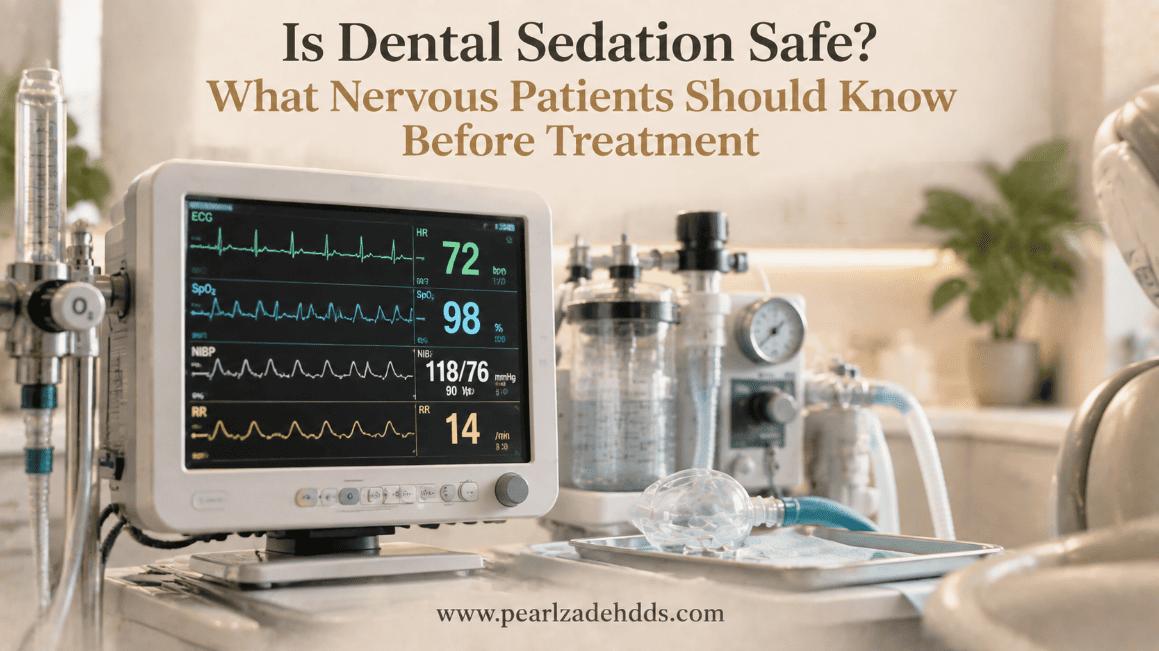
    During your procedure, your dental team closely monitors your breathing, heart rate, oxygen levels, and overall comfort. If needed, the sedation level can be adjusted throughout the appointment to help you stay relaxed while remaining safe.

    Before you leave, you’ll receive recovery instructions based on the type of sedation you received. Your dentist will explain when you can eat, return to normal activities, and whether you’ll need someone to drive you home.

    Who May Not Be a Good Candidate for Sedation?

    Although dental sedation is safe for many patients, it isn’t the right choice for everyone. Your dentist will evaluate your health carefully before recommending any form of sedation.

    Certain medical conditions, particularly some heart or lung conditions, may require extra precautions or a different approach. Pregnancy is another important consideration, as some sedation methods may not be recommended depending on the stage of pregnancy. Certain medications can also interact with sedatives, which is why it’s important to provide a complete list of everything you take, including over-the-counter medicines and supplements.

    These factors don’t automatically mean you can’t receive sedation. They simply help your dentist determine the safest option for your situation. If sedation isn’t recommended, there are many other ways to help you feel comfortable during treatment, including clear communication, shorter appointments, regular breaks, and other anxiety management techniques.

    Types of Dental Sedation and Their Safety Considerations

    Dental sedation is not a single approach. Dentists choose different types of sedation based on your anxiety level, the procedure being performed, and your overall health. Each option provides a different level of relaxation and requires different safety considerations.

    Nitrous Oxide (Laughing Gas)

    Nitrous oxide, commonly known as laughing gas, is one of the mildest forms of dental sedation. You breathe it through a small mask placed over your nose, and most patients begin to feel relaxed within a few minutes.

    You remain awake and able to communicate with your dentist throughout the appointment. Many patients describe feeling calm, slightly light-headed, or less focused on the sights and sounds of treatment.

    One of the reasons nitrous oxide is commonly used is its quick recovery time. Once the mask is removed and you breathe regular oxygen, the effects wear off within minutes. You can learn more about how nitrous oxide helps nervous patients feel more comfortable during dental visits.

    Oral Sedation

    Oral sedation involves taking a prescribed medication before your appointment to help you feel more relaxed. It provides a deeper level of sedation compared with nitrous oxide, and some patients feel drowsy or remember very little about the procedure afterward.

    Because the medication takes longer to leave your system, you will need someone to drive you home after your appointment. Your dentist will review your health history and explain what to expect before recommending this option.

    Oral sedation may be helpful for patients with moderate to severe dental anxiety, especially those who struggle with the thought of sitting through longer procedures.

    IV Sedation

    IV sedation delivers medication directly into your bloodstream, allowing the dentist to adjust the sedation level throughout your procedure. It is often considered for patients with significant anxiety or those undergoing longer or more complex treatments.

    Because IV sedation provides a deeper level of relaxation, your vital signs must be monitored throughout the appointment. It should only be administered by a dentist or provider with appropriate training and experience in IV sedation.

    What Questions Should You Ask Before Choosing Dental Sedation?

    Before choosing sedation, ask your dentist questions that help you understand what the experience will be like and how safety will be managed.

    You may want to ask:

    • Which type of sedation do you recommend for my anxiety level and procedure?
    • Why is this option a better choice for me than other sedation methods?
    • How will you monitor me during treatment?
    • What will I feel while I am sedated?
    • Will I need someone to drive me home afterward?
    • What should I expect during recovery?

    A dentist who takes time to explain these details can help you feel more prepared and confident about your decision.

    Dental Sedation vs Other Ways to Manage Dental Anxiety

    Sedation can be helpful for many anxious patients, but it is not the only way to make dental visits easier. Some patients feel more comfortable with simple techniques that help them stay relaxed and in control.

    Talking through each step before treatment begins can reduce fear caused by uncertainty. Many dentists also use a stop signal, such as raising your hand, so you can pause whenever you need a break.

    The tell-show-do approach can also help. Your dentist explains what will happen, shows you the instrument or process, and then continues only when you feel comfortable. Other strategies, such as listening to music, wearing headphones, and gradually building trust over multiple visits, may reduce anxiety without sedation.

    If you are deciding which approach is right for you, our article on choosing a dentist for dental anxiety explains what to look for before scheduling an appointment.

    Choosing an Anxiety-Friendly Dentist in Woodland Hills

    For many patients in Woodland Hills, choosing a dentist involves more than finding someone who offers sedation. They want a dentist who listens to their concerns, explains their options, and makes them feel comfortable throughout treatment.

    Dr. Pearl Zadeh works with anxious patients by offering sedation options when appropriate, taking time to discuss concerns, and creating a treatment approach based on each patient’s comfort level. You can learn more about Dr. Pearl Zadeh‘s approach, meet the team supporting patients during visits, and read patient testimonials from those who have shared their experiences.

    If you are still deciding whether sedation is right for you, our article on sedation dentistry for dental anxiety provides more details about how sedation can help nervous patients feel more comfortable during treatment.

    Schedule a Consultation With Dr. Pearl Zadeh

    Still have questions about whether dental sedation is right for you? A consultation with Dr. Pearl Zadeh in Woodland Hills gives you the opportunity to discuss your concerns, review your sedation options, and understand what to expect before treatment begins.

    Call (818) 716-6722 or click the button below to schedule your consultation online.

    Frequently Asked Questions

    Is dental sedation safe for everyone?

    Not automatically. Dental sedation is safe for most patients when it’s properly screened and administered by a trained provider, but certain health conditions, medications, and pregnancy can change which options are appropriate. A full medical history review determines what’s safe for you.

    Can you feel pain during dental sedation?

    Sedation helps you feel calmer and less aware of discomfort, but it’s typically paired with local anesthesia to manage pain directly at the treatment site. Sedation alone isn’t designed to replace numbing medication.

    Are you awake during dental sedation?

    It depends on the type. With nitrous oxide, you stay fully awake and responsive. With oral or IV sedation, you may feel drowsy or drift in and out of awareness, though you typically remain able to respond if needed.

    How long does dental sedation last?

    Nitrous oxide wears off within minutes after the mask is removed. Oral and IV sedation take longer to clear your system, often several hours, so you’ll need someone to drive you home and plan to rest for the remainder of the day.

    Can sedation help with severe dental anxiety?

    Yes, for many patients. Deeper sedation options like oral or IV sedation can help patients with significant fear get through necessary treatment. Results vary between patients, and a dentist evaluation helps determine the right approach.

    This article is for informational purposes only and is not a substitute for professional dental advice. Please schedule a consultation with Pearl Zadeh DDS to discuss your specific situation.
  • Oral Sedation Dentistry for Anxious Patients: What to Know Before Treatment

    Oral Sedation Dentistry for Anxious Patients: What to Know Before Treatment

    Many people who avoid the dentist are not avoiding care because they do not value their health. Often, the thought of sitting in the dental chair brings back fear, stress, or memories of difficult past experiences. If dental anxiety has made it hard to schedule or complete treatment, oral sedation dentistry may help you feel more comfortable and in control during your visit.

    Understanding how it works, what you will experience, and who it may benefit can help you decide if it is the right option for you.

    What Is Oral Sedation Dentistry?

    Oral sedation, sometimes called oral conscious sedation, uses a prescribed medication taken by mouth to help you relax before and during a dental procedure. Unlike nitrous oxide, which you inhale through a mask and which wears off within minutes, oral sedation is taken as a pill and takes longer to take effect and leave your system.

    It is also different from IV sedation, where medication is delivered directly into a vein and adjusted throughout the procedure. With oral sedation, you take the prescribed medication before your appointment, and its effects remain steady throughout treatment rather than being adjusted continuously.

    For patients with significant dental anxiety, oral sedation can reduce the physical and emotional stress that makes treatment difficult. It does not remove every concern, but it can help your body stay calmer during the appointment and make dental care easier to manage.

    Who Is a Good Candidate for Oral Sedation?

    Oral sedation may be a good option for patients with moderate to severe dental anxiety, especially when fear has caused them to delay or avoid appointments. It can also help patients who have had difficult dental experiences in the past and feel nervous about returning for care.

    A strong gag reflex is another reason some patients consider oral sedation. The relaxed state can make certain procedures more comfortable. Patients who need longer appointments or multiple treatments during one visit may also benefit from having support to stay calm throughout the procedure.

    However, oral sedation is not automatically the right choice for everyone. Your dentist will consider your anxiety level, medical history, current medications, and the type of treatment you need before recommending sedation. In some cases, another approach may be a better fit.

    How Does Oral Sedation Work?

    Your dentist will typically prescribe medication to take before your appointment, allowing enough time for it to take effect before treatment begins. Because oral sedation can affect your alertness and coordination, you will usually need someone to drive you to and from the appointment.

    As the medication begins working, many patients feel relaxed, drowsy, or less aware of their surroundings. You remain awake throughout the procedure and can respond when your dentist speaks to you, but your body feels calmer and less reactive to the sights, sounds, and sensations of treatment.

    The experience varies between patients. Some people feel relaxed and alert throughout the appointment, while others enter a deeper state of relaxation and remember very little afterward. This reduced awareness is one reason oral sedation can help patients who feel overwhelmed by dental treatment.

    What Happens Before, During, and After Oral Sedation?

    Knowing what to expect before, during, and after oral sedation can make the process feel much less intimidating. Your dental team will guide you through each step and explain what you need to do before your appointment.

    Before Treatment

    Before recommending oral sedation, your dentist reviews your medical history, including any health conditions, allergies, and medications you currently take. This helps determine whether sedation is a safe option for you and whether any special precautions are needed.

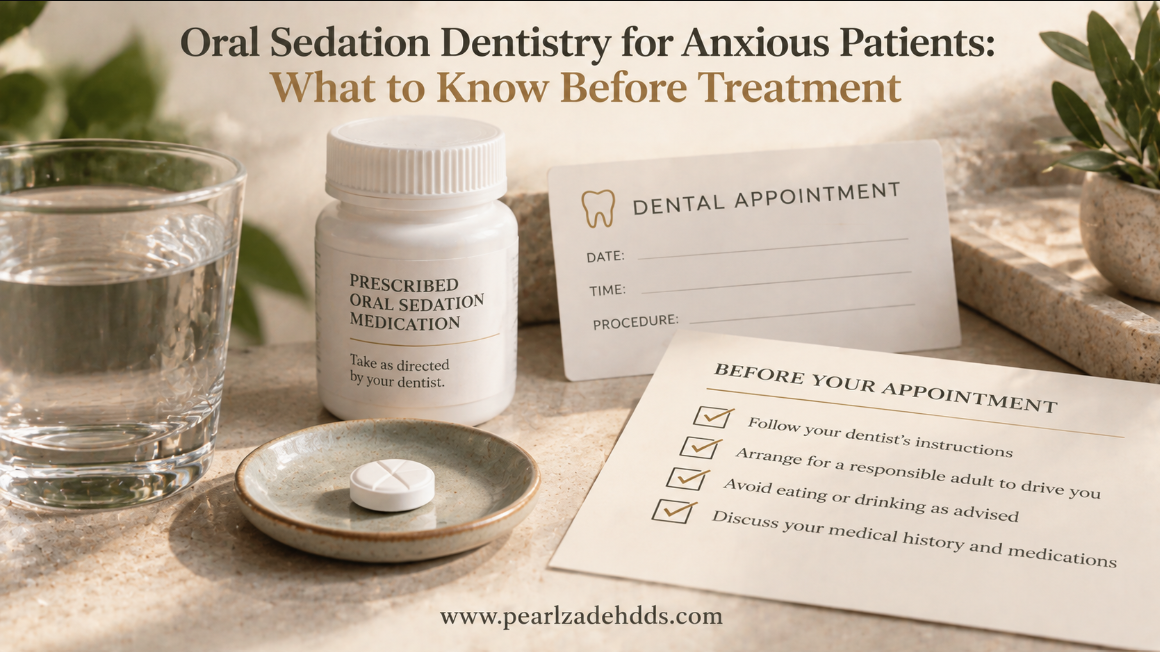
    Your dentist will also provide instructions before your appointment. Depending on the medication used, you may need to avoid eating or drinking for a specific period of time.

    You will need to arrange transportation before your visit. Because oral sedation can affect your alertness and coordination, you should have someone drive you to and from the appointment. Some patients may also need someone to stay with them afterward while the medication continues to wear off.

    During Treatment

    Once the medication takes effect, your dental team monitors your comfort, responsiveness, and vital signs throughout the procedure. If your treatment requires local anesthesia, it is usually given after you feel relaxed from the sedation, which can make the process easier for patients who feel nervous about injections.

    You remain awake during oral sedation and can communicate with your dentist if needed. However, many patients feel calmer and less aware of the sights, sounds, and sensations that normally trigger anxiety.

    After Treatment

    After your procedure, you will spend some time in the office before leaving. Your dental team will make sure you are recovering properly and provide instructions for the rest of the day.

    Once you return home, you should plan to rest and avoid activities that require full concentration. Feeling tired, groggy, or having limited memory of the appointment can happen with oral sedation and usually improves as the medication wears off.

    Is Oral Sedation Safe?

    Oral sedation has been used in dentistry for many years and is considered safe when it is provided by a trained dentist who properly evaluates the patient beforehand and follows appropriate monitoring guidelines.

    The American Dental Association provides guidelines for sedation and anesthesia in dental settings, including recommendations for patient evaluation, monitoring, and safety practices.

    Before using oral sedation, your dentist reviews your health history and current medications to identify any factors that may affect your safety. During treatment, your dental team monitors your response and vital signs to make sure you remain comfortable throughout the procedure.

    Like any medication, oral sedation does carry some risks. A thorough evaluation, proper dosing, and careful monitoring help reduce those risks and allow your dentist to provide sedation in a safe and controlled way.

    Benefits of Oral Sedation for Patients With Dental Anxiety

    For patients who feel nervous about dental treatment, oral sedation can make appointments feel more manageable. By helping the body relax, sedation can reduce common anxiety responses such as muscle tension, restlessness, and feeling overwhelmed in the dental chair.

    It can be especially helpful for longer procedures or patients who have avoided dental care because of fear. Feeling calmer during treatment can make the appointment seem shorter and reduce the stress often associated with dental visits.

    For some patients, a more comfortable experience helps rebuild confidence in dental care. Returning for regular checkups becomes easier when past appointments are no longer associated with intense fear or discomfort.

    Possible Side Effects and Risks

    Understanding possible side effects helps you know what to expect after oral sedation. The most common effects include drowsiness, tiredness, and feeling less alert for several hours after the appointment.

    Some patients experience dry mouth, mild nausea, or temporary changes in memory. It is also common for patients to remember very little about the procedure, especially with stronger levels of oral sedation. These effects usually improve as the medication leaves the body.

    Contact your dentist if you experience symptoms that feel unusual or concerning, such as difficulty breathing, signs of an allergic reaction, or symptoms that do not improve as expected. Serious complications are uncommon when sedation is properly planned and monitored.

    Questions to Ask Before Choosing Oral Sedation

    Before deciding on oral sedation, take time to discuss your options with your dentist. Ask whether oral sedation is appropriate based on your health history, what medication will be used, and what you should expect during the appointment.

    It is also helpful to ask about possible risks, recovery time, and whether you will need someone to drive you to and from the office. A dentist who takes time to explain these details helps you feel informed and comfortable with your decision.

    Oral Sedation vs Nitrous Oxide: Which Is Better for Dental Anxiety?

    Neither option is automatically better for every anxious patient. The better choice depends on how intense your anxiety feels, the type of treatment you need, and how much support you need during your appointment.

    Nitrous oxide works quickly and wears off within minutes after treatment. Since you remain awake and alert, many patients prefer it for mild to moderate anxiety or shorter procedures. Most people can also drive themselves home afterward.

    Oral sedation creates a deeper sense of relaxation and lasts longer. It may be a better fit for patients with stronger dental fears, past traumatic experiences, or longer procedures that feel overwhelming without additional support. The tradeoff is that you will need someone to drive you home, and you may feel drowsy for several hours afterward.

    The best option is the one that matches your needs. A dentist should consider your anxiety level, medical history, and treatment plan before recommending sedation.

    Choosing an Anxiety-Friendly Dentist in Woodland Hills

    The sedation method matters, but the dentist you choose matters too. Patients with dental anxiety often need more than medication. They need a team that listens, explains each step, and gives them a sense of control during treatment.

    Before choosing a dentist, look for a practice that takes time to discuss your concerns, explains sedation options clearly, and allows you to ask questions without feeling rushed. Our article on choosing a dentist for dental anxiety covers what to look for before booking your appointment.

    Dr. Pearl Zadeh works with anxious patients throughout Woodland Hills by focusing on clear communication, patient comfort, and treatment plans based on each person’s needs. Whether you are returning after years away or preparing for a procedure that feels stressful, her team takes the time to understand your concerns.

    If you are still exploring sedation options, you can learn more about how sedation dentistry helps anxious patients and what safety factors to consider before treatment. Patients who have avoided dental care for years can also read about what to expect when returning to the dentist after a long break.

    You can also learn more about dental anxiety treatment options available at Dr. Pearl Zadeh’s practice.

    Schedule a Consultation With Dr. Pearl Zadeh

    Choosing oral sedation starts with understanding your options. Dr. Pearl Zadeh and her team in Woodland Hills can review your concerns, explain available sedation choices, and help you decide what approach feels right for your dental care.

    Call (818) 716-6722 or click the button below to schedule your consultation online.

    Frequently Asked Questions

    How long before my appointment do I take oral sedation medication?

    Most dentists instruct patients to take oral sedation medication about an hour before their appointment. This gives the medication enough time to start working before treatment begins. Your dentist will provide specific instructions based on the medication prescribed and your treatment plan.

    Will I remember my dental appointment after oral sedation?

    Many patients remember very little of their appointment after oral sedation. The medication helps reduce anxiety and creates a relaxed state that can make the procedure feel shorter or less noticeable. However, the level of memory loss varies, and some patients may remember parts of the visit.

    Can I eat before taking oral sedation medication?

    Your dentist will give you specific instructions about eating and drinking before your appointment. Some medications may require you to avoid food for a certain period beforehand, while others may have different guidelines. Always follow the instructions provided by your dental team.

    How long does it take to recover from oral sedation?

    Most patients should plan to rest for the remainder of the day after oral sedation. Feeling drowsy, groggy, or less alert for several hours is common. You should avoid driving, operating machinery, or making important decisions until the medication has fully worn off.

    Is oral sedation the same as being put to sleep?

    No. Oral sedation does not usually mean you are fully unconscious. Most patients remain awake, can respond to their dentist, and continue breathing normally during treatment. General anesthesia is different because it places a patient into a completely unconscious state and requires a different level of monitoring.

  • IV Sedation Dentistry: What Patients Should Know Before Treatment

    IV Sedation Dentistry: What Patients Should Know Before Treatment

    For some patients, dental anxiety goes beyond feeling nervous before an appointment. A history of painful experiences, years of avoiding care, or the need for extensive treatment can make a dental visit feel overwhelming. In these situations, IV sedation dentistry may be an option worth discussing with your dentist.

    Before choosing IV sedation, it helps to understand how it works, who may benefit from it, what you may experience during treatment, and how dentists keep patients safe throughout the process.

    What Is IV Sedation Dentistry?

    IV sedation delivers medication directly into a vein through a small intravenous line. Because the medication enters the bloodstream directly, it can take effect quickly and allows the dental team to adjust the level of sedation during the procedure when needed.

    Unlike oral sedation, which relies on a medication taken before the appointment, IV sedation allows your dentist or trained provider to make adjustments based on how you respond during treatment.

    Many patients remain responsive to verbal instructions during IV sedation but feel deeply relaxed and less aware of the sights, sounds, and sensations of the procedure. The level of awareness varies depending on the medication and dosage used.

    IV sedation is different from general anesthesia. General anesthesia creates a controlled state of unconsciousness and usually requires a higher level of monitoring and support. IV sedation typically focuses on relaxation and anxiety control while maintaining patient responsiveness.

    Who May Benefit From IV Sedation?

    IV sedation may be considered for patients with significant dental anxiety who find traditional appointments difficult to manage. It can also be helpful for patients who need longer or more complex procedures and want additional support staying comfortable throughout treatment.

    Some patients who discuss IV sedation with their dentist include those who:

    • Have avoided dental care for years because of fear.
    • Have had difficult or stressful dental experiences in the past.
    • Have a strong gag reflex that makes treatment challenging.
    • Struggle to remain comfortable during longer appointments.
    • Need multiple procedures completed during one visit.

    These factors do not automatically mean IV sedation is the right option. A dentist will review your health history, medications, anxiety level, and treatment needs before recommending any form of sedation.

    How Does IV Sedation Work?

    Before treatment begins, a trained provider places a small IV line, usually in the hand or arm. The medication is then administered gradually while your response is monitored.

    As the sedation takes effect, many patients describe feeling calm, heavy, or detached from their surroundings. Some remain able to answer questions, while others become less aware of the details of the procedure.

    Because IV sedation can affect memory, many patients remember little of their appointment afterward. However, the experience varies between individuals depending on the medication used, dosage, and how their body responds.

    What Happens Before, During, and After IV Sedation?

    Knowing what to expect before, during, and after IV sedation can make the experience feel much less uncertain. Understanding each step helps many anxious patients feel more prepared before their appointment.

    Before Treatment

    Before recommending IV sedation, your dentist reviews your medical history, current medications, and any previous reactions to sedation or anesthesia. This information helps determine whether IV sedation is appropriate and what precautions may be needed during treatment.

    You may receive specific instructions before your appointment, including guidelines about eating and drinking. Because IV sedation can affect your alertness and coordination, you will need someone to drive you home afterward.

    Your dentist will also discuss the benefits, risks, and alternatives to sedation before treatment begins. This conversation gives you the opportunity to ask questions and understand what to expect.

    During Treatment

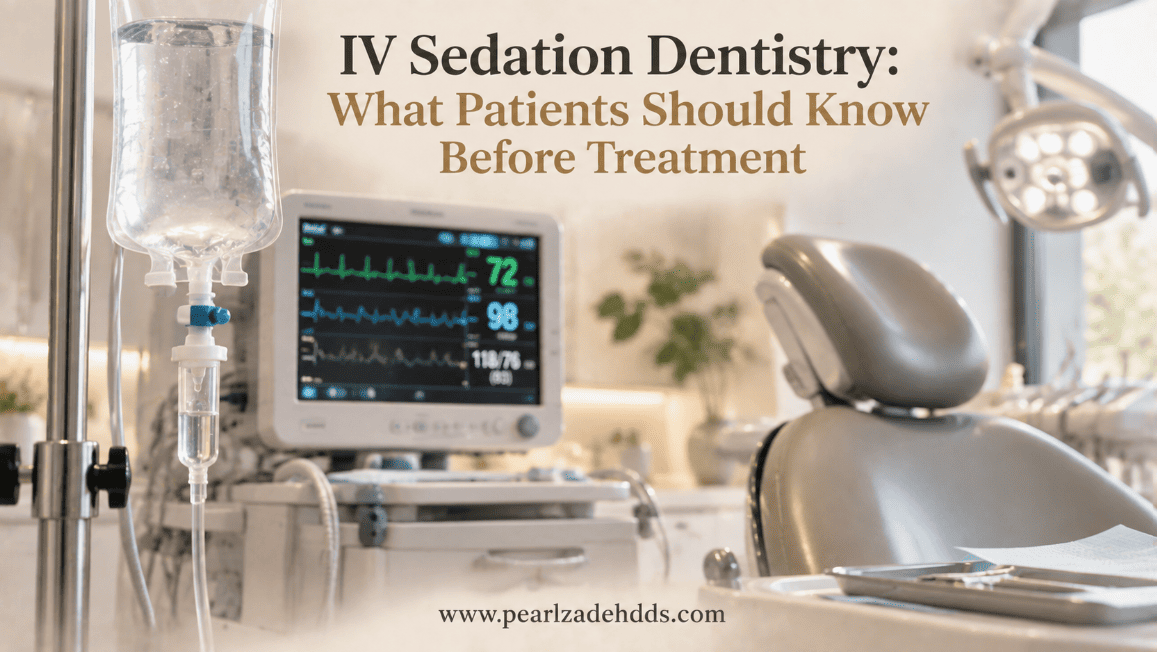
    Once sedation begins, your dental team monitors your response and important signs such as oxygen levels, blood pressure, and heart rate throughout the procedure. The sedation level can be adjusted based on how you respond and how comfortable you are during treatment.

    Local anesthesia is still used when needed because sedation helps reduce anxiety and awareness but does not replace numbing medication for pain control.

    After Treatment

    After the procedure, you will spend some time recovering in the office while your team makes sure you are alert and stable before leaving. Feeling groggy, tired, or having limited memory of the appointment can happen after IV sedation.

    You will need your escort to drive you home, and you should plan to rest for the remainder of the day. Avoid driving, operating machinery, or making important decisions until the effects of sedation have fully worn off and you have followed your dentist’s recovery instructions.

    Is IV Sedation Safe?

    IV sedation has a well-established safety record when it’s provided by a qualified provider who follows appropriate screening, monitoring, and safety protocols. Before recommending IV sedation, your dentist will review your medical history, current medications, and any previous reactions to sedation or anesthesia. This evaluation helps determine whether IV sedation is an appropriate option for you and whether any additional precautions are needed.

    During treatment, your dental team monitors important signs such as your heart rate, blood pressure, oxygen levels, and overall response to the medication. Monitoring allows the team to adjust the level of sedation when appropriate and respond promptly if any concerns arise.

    Dentists who provide IV sedation should have the necessary training, certifications, and emergency equipment required for this type of care. Like any medical procedure, IV sedation is not completely risk-free. Choosing an experienced provider who follows established safety guidelines is one of the most important steps you can take.

    Benefits of IV Sedation for Patients With Dental Anxiety

    For patients with significant dental anxiety, IV sedation can make treatment feel much more manageable. Many patients feel deeply relaxed during the procedure and remember little afterward. This can help people with difficult past dental experiences.

    IV sedation may also make longer or more complex procedures easier to tolerate. Your dentist can adjust the sedation level during treatment to maintain comfort. In some cases, this allows your dentist to complete multiple procedures in one visit. That can reduce the need for several separate appointments.

    For many patients, a positive sedation experience can also make future dental visits easier. They may feel more comfortable returning instead of continuing to postpone treatment.

    Possible Risks and Side Effects

    Like any form of sedation, IV sedation can cause temporary side effects. Feeling drowsy, groggy, or less alert for several hours after treatment is common. Some patients also experience mild nausea, dizziness, or temporary memory loss related to the procedure.

    Minor bruising or soreness around the IV site may occur and usually improves within a few days.

    Serious complications are uncommon when a trained provider properly administers and monitors IV sedation. However, contact your dentist promptly if you experience symptoms such as difficulty breathing, chest pain, persistent vomiting, significant swelling around the IV site, or any reaction that worsens instead of improving after you return home.

    IV Sedation vs Oral Sedation vs Nitrous Oxide

    Each type of dental sedation offers a different level of relaxation, and the best option depends on your individual needs.

    Nitrous oxide is the mildest option. It works quickly, wears off within minutes, and allows many patients to return to their normal activities shortly after treatment. Depending on your dentist’s instructions and how you feel afterward, many patients are able to drive themselves home.

    Oral sedation provides a deeper level of relaxation than nitrous oxide. Because it’s taken as a pill before your appointment, its effects cannot be adjusted once treatment begins. If you’d like to learn more, our article on oral sedation dentistry for anxious patients explains what to expect before, during, and after treatment.

    IV sedation offers the greatest flexibility because the medication is delivered directly into the bloodstream and can be adjusted throughout the procedure. This makes it a suitable option for some patients with severe dental anxiety, lengthy procedures, or complex treatment plans.

    Recovery from IV sedation generally takes longer than recovery from nitrous oxide. Similar to oral sedation, you’ll need someone to drive you home afterward.

    The most appropriate sedation option depends on several factors, including your level of anxiety, overall health, medical history, and the treatment being performed. Your dentist can explain the benefits and limitations of each option and help you decide which approach is most appropriate for your care.

    Questions to Ask Before Choosing IV Sedation

    Before deciding on IV sedation, have an open conversation with your dentist about whether it’s the right option for you. Some helpful questions include:

    • Am I a good candidate for IV sedation based on my medical history?
    • Who will administer the sedation, and what training or certifications do they have?
    • How will I be monitored during the procedure?
    • What should I expect during recovery?
    • How should I prepare before my appointment?

    A dentist who takes the time to answer these questions clearly and discuss both the benefits and potential risks can help you make a more informed decision about your care.

    Choosing an Anxiety-Friendly Dentist in Woodland Hills

    Choosing the right dentist is just as important as choosing the right type of sedation. Patients with dental anxiety often feel more confident when they work with a dentist who listens to their concerns, explains each step clearly, and recommends treatment based on their individual needs rather than a one-size-fits-all approach.

    If you’re still looking for the right practice, our guide on choosing a dentist for dental anxiety covers the questions worth asking before you schedule your first appointment.

    Dr. Pearl Zadeh works with anxious patients throughout Woodland Hills by taking time to explain every sedation option, discussing the benefits and considerations of each approach, and helping patients choose the level of support that best fits their comfort and treatment needs. For some patients, IV sedation may be appropriate. Others may feel comfortable with nitrous oxide, oral sedation, or non-sedation techniques.

    If you’ve been avoiding dental care for years, learn how to overcome fear of the dentist after avoiding care for years and what to expect at your first visit back. If you’re still deciding whether sedation is right for you, explore how sedation dentistry can help with dental anxiety or learn whether dental sedation is safe before making your decision. You can also visit our Dental Anxiety page to learn more about the different ways Dr. Pearl Zadeh and her team help nervous patients feel more comfortable before, during, and after treatment.

    Schedule a Consultation With Dr. Pearl Zadeh

    If dental anxiety has kept you from getting the care you need, you don’t have to make decisions about sedation on your own. Dr. Pearl Zadeh and her team in Woodland Hills will review your medical history, answer your questions, and help you determine whether IV sedation or another approach is the right fit for your treatment and comfort level.

    Frequently Asked Questions

    Does IV sedation put you fully to sleep?

    No. IV sedation does not usually cause complete unconsciousness like general anesthesia. Most patients remain responsive if spoken to, while feeling deeply relaxed and often remembering little of the procedure afterward.

    How long does it take to recover from IV sedation?

    Recovery time depends on the medication used, the dose, and how your body responds. Many patients feel groggy or tired for several hours after IV sedation, so your dentist will usually recommend avoiding driving, working, or making important decisions for the rest of the day.

    Will I need someone with me after IV sedation?

    Yes. Patients typically need someone to drive them home after IV sedation because the effects can continue after leaving the dental office. Your dentist may also recommend having someone stay with you for a period of time after treatment while the sedation wears off.

    Can IV sedation be used for multiple procedures in one visit?

    In some cases, yes. Because IV sedation allows the provider to adjust the medication level throughout the appointment, it may help certain patients tolerate longer or more involved procedures. Whether this is appropriate depends on your treatment plan and overall health.

    Is IV sedation more expensive than other sedation options?

    IV sedation may cost more than lighter sedation options, such as nitrous oxide, because it involves additional monitoring, equipment, and specialized training. Your dental office can explain the expected costs and discuss available payment or insurance options.

    What health conditions might affect whether I can receive IV sedation?

    Certain health conditions, medications, or previous reactions to sedation may affect whether IV sedation is appropriate for you. Conditions involving breathing, heart health, or medication interactions may require additional precautions. A thorough health history review helps your dentist determine the safest approach for your situation

    This article is for informational purposes only and is not a substitute for professional dental advice. Please schedule a consultation with Pearl Zadeh DDS to discuss your specific situation.