In the past decade there has been a dramatic interest in cosmetic dentistry. We all realize that having a healthy, bright, beautiful smile enhances our appearance and allows us to smile with confidence. Thanks to the advances in modern cosmetic dentistry, we are able to improve our teeth and smiles with quick, painless and surprisingly affordable treatments.
What can cosmetic dental treatments do?
Change the size, shape, and alignment of certain teeth.
Fill in unattractive spaces between teeth.
Improve or correct bites.
Lighten or brighten the color of teeth.
Repair decayed, broken, cracked, or chipped teeth.
Replace missing teeth.
Replace old, unattractive dental treatments.
Remember, your smile speaks before you even say a word!
Veneers are one of the most popular cosmetic dentistry treatments available, thanks to their ability to change the appearance of your smile quickly and effectively. If you have minor cracks and chips on your teeth, discoloration, or minor shape or spacing issues, dental veneers will cover those problems and give you an aesthetically pleasing smile. As with any kind of dental treatment, if you are considering veneers, you probably are wondering how long they will last. Here is what you need to know.
Veneers 101
Veneers are thin, wafer-like shells that are bonded to the front of your teeth. They are made of porcelain, and are custom-designed to match the shape and shade you desire. Your dentist will work with you to create your veneers so that they address the concerns you have with your teeth while blending seamlessly with your natural teeth. Your dentist may recommend veneers to correct misshapen or worn teeth, crooked or widely spaced teeth, and severe discoloration that does not respond to whitening treatments. Veneers can also be used to create a more uniform smile if your teeth are noticeably different in size.
It usually takes two visits to get veneers. During the first visit, your dentist will remove a small amount of tooth enamel to make room for the veneers. He or she will make impressions of your mouth so that your veneers can be custom-sized. Your dentist will also help you choose the color of your veneers during this visit. At your second appointment, your veneers will be bonded to your teeth after any necessary adjustments are made.
The Longevity of Dental Veneers
There are many factors that impact the longevity of veneers, including how you care for them and your overall oral health. Typically, veneers last for five to 10 years, though many people are able to get many more years out of them. Following your dentist’s care plan will dramatically increase the lifespan of your veneers.
To care for your veneers, maintain a high-quality oral hygiene routine, including brushing at least twice per day with a soft-bristled toothbrush and flossing at least once daily. Visit your dentist at least twice per year for a professional cleaning and check-up. If you grind your teeth, talk to your dentist about using a mouthguard to protect your veneers.
Could veneers give you the smile you’ve always wanted? Find out if you’re a good candidate for dental veneers by scheduling a consultation with Pearl Zadeh, DDS.
What Is an Oral Cancer Screening and Why Is It Important?
Pearl Zadeh DDSDentistry
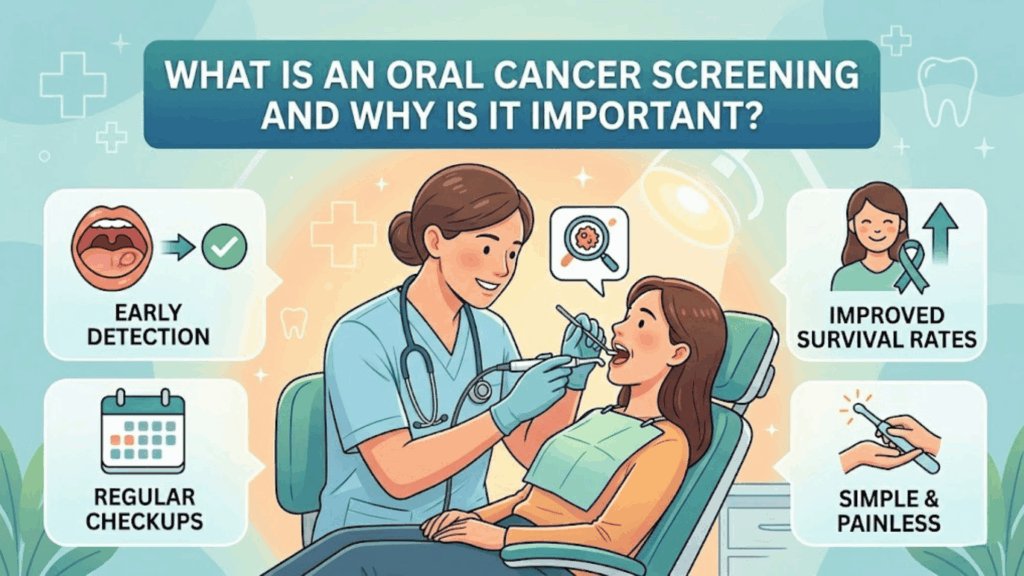
An oral cancer screening is a quick check done during a routine dental visit that looks for early signs of abnormal tissue changes in the mouth.
In the early stages, oral cancer often does not cause pain, which is why many cases go unnoticed until they progress.
Because of this, screenings play an important role in detecting changes early, when treatment outcomes are usually more effective.
Why Oral Cancer Can Be Hard to Notice Early
Unlike many other conditions that produce clear early symptoms, oral cancer often develops without causing pain in its early stages.
Small patches of abnormal tissue or minor sores may appear on the tongue, cheeks, or floor of the mouth, and people often mistake them for something minor like a canker sore or simple irritation.
This is why routine dental exams matter. A trained dentist can often spot subtle changes in the mouth that patients would otherwise miss.
What Actually Happens During a Screening
An oral cancer screening usually takes only a few minutes and is done during a routine dental visit without any special preparation.
The dentist examines the lips, cheeks, tongue, and all areas inside the mouth, including the floor and roof, to look for any visible changes. They also check the throat and the back of the tongue.
To complete the exam, the dentist gently feels the jaw and neck to identify any unusual lumps or swelling in the lymph nodes.
If something looks unusual, the dentist records it and monitors it over time to see if it changes.
In some cases, dentists also use tools such as fluorescence light to help highlight tissue changes that are not easily visible under normal lighting. These tools support the clinical exam rather than replace it.
What Your Dentist Is Actually Looking For
Oral cancer can appear in several different ways, although many of the changes dentists look for are not cancer.
White patches that do not wipe away or heal, known as leukoplakia, are one example. Red patches, called erythroplakia, are less common but carry a higher risk of being precancerous.
Other warning signs include sores that do not heal within two weeks, areas that bleed easily, or lumps and thickened tissue anywhere in the mouth.
Dentists also pay attention to changes in movement or sensation, such as numbness in the tongue or difficulty moving the jaw or tongue without a clear cause.
Most of these findings turn out to be harmless irritation or minor injury. Screening is important because it helps identify the small number of cases that need further evaluation.
Who Faces the Highest Risk
Certain lifestyle and health factors can increase the risk of oral cancer, although the condition can still develop in people without any clear risk factors.
Tobacco use is one of the strongest contributors, including cigarettes, cigars, and chewing tobacco. Alcohol use also increases risk, and the combination of alcohol and tobacco raises it significantly more than either factor alone.
HPV infection has also become an important risk factor, particularly for cancers in the back of the mouth and throat. Other risks include long-term sun exposure on the lips, a previous history of oral cancer, and increasing age, especially over 40.
The Oral Cancer Foundation notes that the combined effect of tobacco and alcohol creates a much higher risk profile than either on its own. HPV-related cases are also rising, including in patients who do not have traditional lifestyle risk factors.
Why Early Detection Changes the Outcome
Oral cancer outcomes are closely tied to how early the disease is found. When detected at an early stage, treatment is often simpler and recovery is generally easier.
Stage at Diagnosis
General 5-Year Survival Outlook
Localized, caught early
Significantly higher, often cited above 80 percent
Spread to nearby lymph nodes
Moderately lower than localized cases
Spread to distant parts of the body
Substantially lower than early stage cases
The American Cancer Society reports that survival rates are significantly higher when oral cancer is diagnosed early, and this pattern remains consistent across studies.
Early detection also influences the type of treatment needed. When doctors catch oral cancer early, they can often remove small, localized areas with a minor surgical procedure. When diagnosis happens at a later stage, treatment often involves more extensive surgery and additional therapies such as radiation, along with a longer recovery period.
Why Symptoms Alone Aren’t a Reliable Warning System
Oral cancer does not always produce clear or painful symptoms in its early stages, which is why relying on discomfort alone can delay diagnosis.
Early changes in the tissue are often painless, so a person may not notice anything unusual until the condition has already progressed.
Self-checks at home can help with awareness, but they do not replace a professional screening. Dentists are trained to pick up subtle tissue changes that are easy to overlook without clinical experience.
What Happens If Something Looks Suspicious
Most unusual areas found during a screening are not cancer and often resolve on their own within a couple of weeks.
If a spot does not improve or shows features that raise concern, a biopsy may be recommended. This involves taking a small sample of tissue and sending it to a laboratory for analysis.
The results guide the next steps. In many cases, the findings are benign, and the area is simply monitored over time during routine visits.
Most patients receive an oral cancer screening during routine dental checkups, usually every six months.
For those with higher risk factors such as tobacco or frequent alcohol use, a dentist may recommend closer monitoring of specific areas over time.
Since screening is part of a standard dental visit, there is usually no need to book a separate appointment for it.
Speak With a Dentist About Your Oral Cancer Screening
An oral cancer screening is quick, but it can make a meaningful difference by identifying concerns early, when treatment is usually simpler and outcomes are often better.
Dr. Pearl Zadeh’s Woodland Hills practice includes oral cancer screening as part of routine dental exams, so it becomes a natural part of your regular visit.
Call (818) 716-6722 or click the button below to schedule your appointment and stay on top of your oral health.
No. An oral cancer screening is painless. It involves a visual exam of the mouth along with a gentle check of the jaw and neck to feel for any unusual changes.
2. Can young, healthy people get oral cancer?
Yes. While risk increases with age, HPV-related cases have been seen in younger adults as well, even in people without traditional risk factors like smoking or heavy alcohol use.
3. Is every white or red patch in the mouth a sign of cancer?
No. Most patches are caused by minor irritation and often resolve on their own. Any area that does not heal within about two weeks should be evaluated by a dentist.
4. How accurate is a visual screening alone?
A clinical visual exam is highly effective at identifying suspicious changes. If something looks unusual, a biopsy is the only way to confirm a diagnosis.
5. Should I get screened even if I don’t smoke or drink?
Yes. Although tobacco and alcohol significantly increase risk, oral cancer can still occur in people without either habit, particularly in HPV-related cases.
How Holistic Dentistry Can Improve Your Oral Health and Overall Well-being
Pearl Zadeh DDSHolistic Dentistry
Have you ever considered holistic dentistry as an option for improving your oral health? Holistic dentistry is a holistic approach to caring for your teeth, gums, and supporting structures that take into account not only the physical aspects but also the emotional and spiritual wellbeing of the patient. This holistic approach can provide many benefits regarding oral health and overall wellbeing. In this article, we will discuss how holistic dentistry can improve your oral health and general wellbeing.
What is Holistic Dentistry?
Holistic dentistry is a form of dental care that considers the entire person, mind, body, emotions, and spirit, when treating tooth decay and gum disease. Holistic dentists are trained to look at patients’ overall health and seek to treat their physical problems and any underlying emotional and spiritual issues contributing to dental problems.
Benefits of holistic dental care
One of the most significant benefits of holistic dental care is its holistic approach. By considering all aspects of a patient’s health, holistic dentists can address problems before they become more serious and help to prevent future oral health issues. Additionally, holistic dentistry focuses on using natural treatments, such as herbs and vitamins, rather than relying on potentially toxic chemicals or artificial materials that could cause further harm.
How holistic dentistry can improve your oral health
Holistic dentists use a variety of holistic treatments to improve and prevent the progression of oral health issues. These holistic treatments can help reduce pain and inflammation and treat the infection. Holistic dentists also ensure that any underlying emotional or spiritual issues are addressed to provide holistic care for the patient’s overall wellbeing.
How holistic dentistry can improve your overall wellbeing
In addition to providing physical benefits, holistic dentistry is also beneficial for improving overall wellbeing. Holistic treatment encourages patients to take an active role in their healthcare, which can lead to increased self-esteem and improved mental health. Additionally, holistic dental care often focuses on natural treatments that can help reduce stress and improve relaxation, leading to improved physical health.
What holistic dentists offer
Holistic dentists offer a range of holistic treatments, including dietary changes, herbal remedies, and lifestyle modifications. They may also provide nutritional counseling or refer patients to other holistic practitioners, such as naturopaths or chiropractors, to ensure they receive comprehensive holistic care. Holistic dentists also strive to create an atmosphere of trust and understanding between themselves and their patients so that both parties feel comfortable discussing any concerns or questions they may have.
Holistic dental treatments available
Some of the holistic treatments offered by dentists include dietary changes that focus on nutrient-dense, anti-inflammatory foods that can improve oral health, holistic therapies for gum disease such as herbs and vitamins, and lifestyle modifications such as reducing stress and increasing physical activity. Holistic dentists may also offer nutritional counseling to help patients make healthier diet choices or refer them to holistic practitioners who specialize in holistic dental care.
Benefits of holistic dentistry
The holistic approach used by holistic dentists has numerous benefits, including improved oral health, a decrease in pain and inflammation, reduced risk of infection, increased self-esteem due to an active role in one’s healthcare, and improved mental and physical wellbeing due to natural treatments that reduce stress and promote relaxation. Additionally, holistic dental care offers greater patient satisfaction due to the holistic approach and personalized care.
Find a holistic dentist
Finding a holistic dentist can be done by searching online for holistic dentists in your area or asking friends and family who have had holistic dental treatments in the past. Additionally, some holistic practitioners offer free consultations so that you can discuss your needs with them before beginning treatment. Choosing a holistic dentist you trust and feel comfortable working with will ensure a successful relationship between you and your holistic practitioner.
The Bottom Line
Holistic dentistry offers numerous benefits for both oral health and overall wellbeing. By taking an active role in one’s healthcare, holistic dental care encourages patients to make healthier lifestyle choices while providing holistic treatments that reduce pain, inflammation, and infection. Additionally, holistic dental care can improve overall wellbeing by reducing stress and promoting relaxation through natural treatments.
1. What is holistic dentistry?
Holistic dentistry is an approach to dental care that focuses on treating the whole person rather than just their teeth or mouth. Holistic dentists use holistic treatments such as dietary changes, herbal remedies, and lifestyle modifications to provide comprehensive treatment for the patient’s overall wellbeing.
2. What are the benefits of holistic dentistry?
The holistic approach used by dentists offers numerous benefits, including improved oral health, decreased pain and inflammation, reduced risk of infection, increased self-esteem due to an active role in one’s healthcare, and improved mental and physical wellbeing.
3. How do I find a holistic dentist?
You can search online for holistic dentists in your area or ask friends and family who have previously had holistic dental treatments. Additionally, some holistic practitioners offer free consultations so that you can discuss your needs with them before beginning treatment.
What Is a Composite Filling? A Simple Guide for Patients
Pearl Zadeh DDSRestorative
After a cavity is diagnosed, most patients want to know what the actual filling material will be.
In many modern dental practices, including Dr. Pearl Zadeh’s Woodland Hills office, composite resin is the most commonly used material for treating cavities. It is tooth colored and designed to blend with natural enamel.
Composite fillings are chosen for most routine cases, while other materials may be recommended depending on the size or location of the decay.
Composite resin works differently from older metal fillings because it bonds directly to the tooth structure, helping restore both function and appearance.
What Composite Resin Actually Is
Composite resin is a tooth-colored material made from plastic resin combined with fine glass or quartz particles.
Those particles are what give the material its strength. Without them, the resin would wear down too quickly under normal chewing pressure.
The material is also carefully shaded to match natural teeth, which is why composite fillings blend in rather than standing out like metal restorations.
How a Composite Filling Actually Bonds to Your Tooth
Unlike older metal fillings, composite doesn’t rely on shape alone to stay in place. It bonds directly to the tooth surface through a chemical and mechanical process.
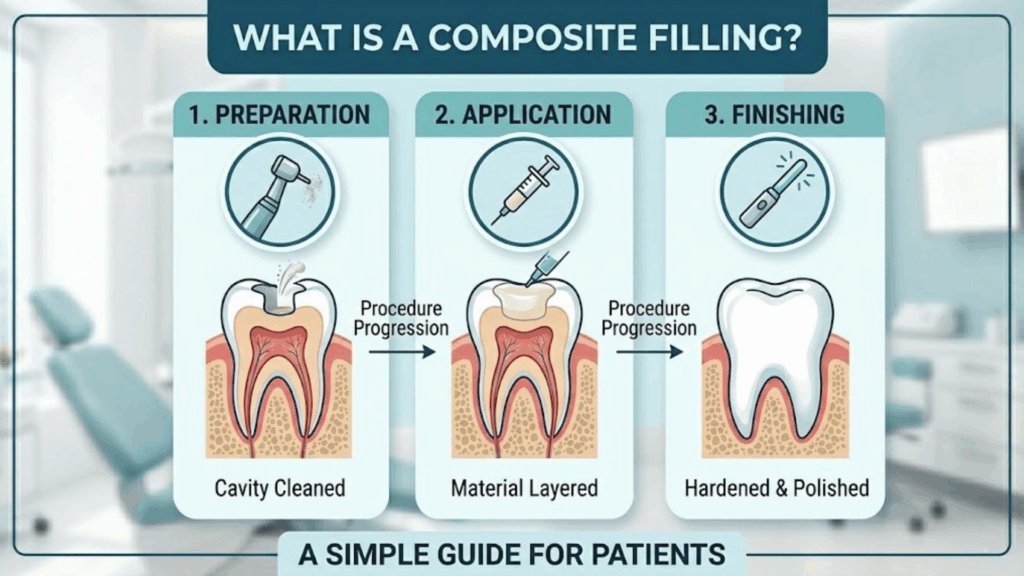
First, the dentist removes the decay and prepares the remaining enamel and dentin. A mild acidic gel is then applied to create a slightly rough surface that helps the material bond more effectively.
A bonding agent is placed next, flowing into these microscopic areas of texture. The composite resin is then applied in thin layers and shaped to match the tooth.
Each layer is hardened with a curing light within seconds. This step is repeated until the filling is fully built.
Layering is important because composite can shrink slightly as it sets. Building it in thin sections helps reduce stress on the bond and improves long-term stability.
This approach also allows dentists to preserve more natural tooth structure compared to older metal fillings, which required more aggressive shaping just to stay in place.
Why Composite Replaced Metal Fillings for Most Cases
Metal amalgam fillings were used for many years and are still used in certain situations. Over time, composite became the more common option for several practical reasons.
Composite blends with natural tooth color, while metal fillings remain visible
It bonds to the tooth, so less healthy structure usually needs to be removed
It is less affected by temperature changes compared to metal fillings
Metal fillings can expand and contract slightly over time, which may place stress on the tooth
Metal fillings can still be useful in specific cases, especially in back teeth where chewing forces are higher and appearance is less of a concern. In some situations, they may also be more cost-effective.
How Long Composite Fillings Actually Last
Composite fillings usually last between five and ten years, though many last longer with good oral hygiene and regular dental checkups.
Their lifespan depends on several factors, including the size of the filling, where it is placed, and the amount of pressure it handles during chewing. Fillings on front teeth often last longer than those on molars, which take more daily force.
Grinding or clenching can also reduce lifespan significantly, since extra pressure can wear down or stress the material over time.
For a closer look at how mercury fillings compare with composite fillings in terms of safety and material differences, read our breakdown of mercury fillings versus composite fillings.
What the Filling Procedure Actually Feels Like
Local anesthesia is used before any drilling begins, so you should not feel pain during the procedure itself.
Most composite fillings take about 20 to 40 minutes per tooth, depending on the size and location of the cavity.
Mild sensitivity to hot or cold can occur for a few days afterward. This usually settles as the tooth adjusts.
If sensitivity feels sharp, lasts longer than two weeks, or gets worse over time, it’s best to have your dentist check the bite and the bond.
Why a High Filling Causes Problems Later
Right after treatment, the area is still numb, which can make it difficult to notice if the bite feels slightly uneven.
Even a small difference in height can place extra pressure on that tooth every time you bite down.
Over time, this may lead to soreness, sensitivity, or damage to the filling due to uneven force.
If a tooth feels “off” when chewing within the first day or two, it’s a good idea to return for a quick bite adjustment.
How to Maintain a Composite Filling
Brush twice a day with a soft-bristled tooth.
brush Floss daily around the filled tooth to prevent decay at the edges.
Avoid biting directly into ice or very hard foods.
Wear a nightguard if you grind your teeth, since this is one of the most common causes of early wear.
Maintain regular six-month cleanings so your dentist can monitor the filling’s edges.
Speak with Dr. Pearl Zadeh About Your Filling Options
Composite resin is commonly used to restore cavities while blending in with the natural tooth, avoiding the visible dark appearance of older filling materials.
Many patients who choose composite fillings report comfortable treatment experiences and results that look and feel natural, as shared in our patient testimonials.
Dr. Pearl Zadeh’s Woodland Hills practice evaluates each cavity individually to determine the most appropriate filling material. Call (818) 716-6722 or click the button below to schedule your consultation online.
1.Can a composite filling be whitened along with my teeth? No. Composite resin does not respond to whitening gel like natural enamel, so it may not match surrounding teeth after whitening.
2. How do I know if I need a composite filling or a different type of filling? The choice depends on the size of the cavity, the tooth’s location, and how much healthy structure remains. Your dentist will recommend the material that restores strength while preserving as much natural tooth as possible.
3. Can a composite filling be repaired instead of fully replaced? Sometimes. Small chips can occasionally be repaired, but a compromised bond or decay usually requires full replacement.
4. Is composite resin safe for people with metal allergies? Yes. Composite resin contains no metal, making it suitable for patients with metal sensitivities.
5. Why did my old metal filling get replaced with composite? Old metal fillings are often replaced when they crack, leak, or wear down. Composite is commonly chosen for its bonding strength and natural appearance.
Dental Bonding vs Veneers: Which Option Is Right for You?
Pearl Zadeh DDSCosmetic Dentistry
Many people considering a smile makeover end up deciding between dental bonding and veneers. Both can improve chipped, worn, discolored, or uneven teeth, but they aren’t interchangeable. They differ in appearance, durability, tooth preparation, cost, and the types of cosmetic concerns they tend to address best.
Understanding those differences can help you have a more informed conversation with your dentist about which option fits your smile goals.
What Is Dental Bonding?
Dental bonding uses composite resin, a tooth-colored material also used for certain fillings, that a dentist applies directly to the tooth. The dentist shapes the resin by hand and hardens it with a curing light, often completing the treatment in a single visit.
Bonding is generally considered a minimally invasive option because it typically requires little to no removal of existing enamel. Dentists commonly use it to improve the appearance of chipped teeth, small gaps, minor shape concerns, and some stains that whitening may not fully address.
What Are Dental Veneers?
Veneers are thin, custom-made shells that a dentist bonds to the front surface of a tooth to improve its appearance. They are typically made from porcelain or composite resin, and each material comes with different benefits and considerations.
Porcelain veneers generally offer greater durability and stain resistance, while composite veneers often cost less and may require fewer appointments. Our practical guide to porcelain veneers and our overview of composite veneers explain these options in more detail.
To place veneers, a dentist may need to remove a small amount of enamel so the veneer fits properly and blends naturally with the surrounding teeth. Because this process can involve changes to the tooth structure, dentists generally consider veneers a long-term cosmetic treatment rather than a reversible option. Veneers can address several cosmetic concerns, including tooth shape, size, and color, depending on the patient’s needs.
Dental Bonding vs Veneers: Key Differences
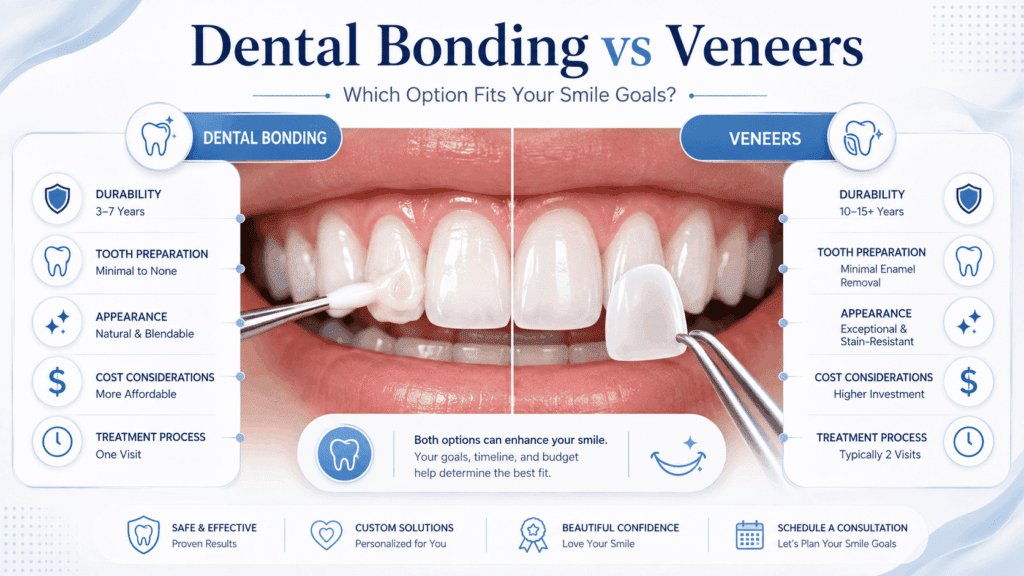
The table below summarizes how bonding and veneers typically compare. Actual results vary by patient, material, and clinical circumstances.
Factor
Dental Bonding
Veneers
Material
Tooth-colored composite resin
Porcelain or composite shells
Appearance
Natural-looking, though shade and shine may differ slightly from enamel over time
Highly natural-looking, particularly with porcelain; often used for more uniform results
Tooth preparation
Minimal to none; little enamel removed
Typically requires removing a thin layer of enamel
Durability
Generally less durable; more prone to chipping under heavy bite forces
Generally more durable, especially porcelain, though not indestructible
Stain resistance
More prone to staining over time, particularly composite
Porcelain typically resists stains well; composite veneers stain more easily
Longevity
Often several years, commonly cited around 3 to 10 years depending on care and habits
Often cited in the 10 to 20 year range with proper care, depending on material
Repairability
Usually simple to repair or touch up in one visit
Repairs are more involved and may require replacing the veneer
Cost
Generally lower upfront cost per tooth
Generally higher upfront cost, particularly for porcelain
Treatment time
Often completed in a single visit
Typically requires two or more visits for preparation and placement
Best uses
Minor chips, small gaps, small shape corrections
Multiple cosmetic concerns, larger smile makeovers, more significant discoloration
Neither option is universally better. Each has situations where it tends to make more sense, which is part of why an individual evaluation matters more than a general rule.
When Dental Bonding May Be the Better Choice
Bonding is often considered a reasonable starting point for minor chips, small gaps, or small corrections to a tooth’s shape. It tends to appeal to younger patients or anyone who prefers a more conservative treatment before committing to something more permanent.
Cost is also a factor for many patients, since bonding generally costs less upfront per tooth than veneers. That said, whether bonding is appropriate for a specific tooth still depends on a clinical evaluation, including bite forces and the extent of the cosmetic concern.
When Veneers May Be the Better Choice
Dentists may consider veneers when patients have multiple cosmetic concerns, are planning a broader smile makeover, or have discoloration that does not respond well to whitening. Veneers may also be an option for teeth with visible wear when a patient wants a more uniform cosmetic result. The best approach depends on the condition of the teeth, the patient’s goals, and what a dentist finds during an evaluation.
For patients weighing a broader transformation, our Woodland Hills veneers page outlines what that process generally looks like from consultation through placement.
Pros and Cons of Dental Bonding
Bonding tends to be less expensive, faster to complete, and more conservative in terms of tooth structure, since it generally preserves most of the natural tooth. It can typically be adjusted or touched up in a single visit if something chips or needs refining.
On the other hand, composite resin is generally less durable than porcelain and can be more prone to staining or chipping over time, particularly for patients who clench, grind, or bite their nails. It may also not hold up as well under heavy bite forces without regular maintenance.
Pros and Cons of Veneers
Veneers, especially porcelain, tend to offer strong durability and stain resistance, along with a more uniform, controlled cosmetic result across several teeth at once. Many patients find the appearance closely resembles natural enamel.
The tradeoffs often include a higher upfront cost, a treatment process that may involve permanent changes to the tooth structure, and more complex repairs if a veneer becomes damaged. In some cases, replacing the veneer may be the recommended option rather than making a simple repair. Veneers also require ongoing care, and patients should understand that they may need replacement in the future.
How Long Do Bonding and Veneers Last?
Bonding is often cited in the range of roughly three to ten years, while porcelain veneers are more commonly cited in the ten to twenty year range. These figures are general references rather than guarantees, and actual results vary widely based on oral hygiene, diet, grinding or clenching habits, bite forces, and how consistently a patient keeps up with maintenance and dental visits.
According to the American Dental Association, certain habits, like biting fingernails, chewing on hard objects, or frequent exposure to staining foods and drinks, can affect how well a veneer holds up over time. The same general principle applies to bonded teeth.
Can Bonding Be Replaced With Veneers Later?
Some patients choose bonding first because it offers a more conservative way to improve their smile. If their goals change later, or if the tooth needs a different type of correction, they can discuss whether veneers may be an appropriate option. The right approach depends on the condition of the tooth, the reason bonding was originally chosen, and the patient’s overall goals. A dentist can evaluate whether a tooth with existing bonding may be suitable for veneers in the future.
How to Decide Which Option Is Right for You
Dentists typically weigh several factors together rather than looking at cost or appearance alone. This usually includes your smile goals, the current condition of the tooth structure, your bite, habits like grinding or clenching, budget, and overall oral health.
Because these factors interact, the right option for one patient may not be the right one for another, even if the cosmetic concern looks similar on the surface. That’s part of why a personalized evaluation tends to lead to a more predictable outcome than choosing based on general information alone.
Choosing a Cosmetic Dentist in Woodland Hills
Dr. Pearl Zadeh works with Woodland Hills patients considering both dental bonding and veneers, helping them choose an option based on their individual smile goals rather than a one-size-fits-all approach. She discusses the benefits and limitations of each treatment, explains what patients can realistically expect, and recommends conservative options when they make sense. If you’re also considering whitening as an alternative or addition to cosmetic treatment, our guide on veneers vs teeth whitening covers how these options compare.
For patients specifically comparing veneer materials, porcelain vs composite veneers covers that decision in more depth. You can also learn more about cosmetic dentistry with Dr. Pearl Zadeh in Woodland Hills and the range of options available beyond bonding and veneers.
Schedule a Cosmetic Consultation With Dr. Pearl Zadeh
Choosing between dental bonding vs veneers usually comes down to your specific goals, tooth structure, and budget, not a one-size-fits-all answer. The most reliable way to figure out which fits your smile is a personalized evaluation rather than assuming one option is right before your teeth are actually examined.
Dr. Pearl Zadeh and her Woodland Hills team can walk you through both options, explain realistic expectations for each, and recommend a conservative starting point where appropriate.
Call (818) 716-6722 or click the button below to schedule your cosmetic consultation online.
Generally, yes. Bonding typically costs less per tooth upfront than veneers, particularly porcelain. Actual pricing depends on the number of teeth involved and the complexity of the case.
2. Does dental bonding look as natural as veneers?
Dental bonding can create a natural-looking improvement, especially for smaller cosmetic corrections. However, composite resin may not replicate the shine and translucency of natural enamel as closely as porcelain, particularly over time. Many patients achieve satisfying results with bonding when it matches their specific needs and expectations.
3. Which lasts longer, bonding or veneers?
Porcelain veneers generally last longer than dental bonding. Dental bonding often lasts around 3 to 10 years, while porcelain veneers commonly last 10 to 20 years or longer with good care. However, lifespan varies based on factors such as oral hygiene, bite habits, and everyday wear, so your dentist can give you a more personalized expectation.
4. Do veneers damage teeth?
Placing veneers typically involves removing a thin layer of enamel, which makes the process not considered reversible. When performed appropriately, this is a standard part of the process rather than damage, though it’s a permanent change worth understanding beforehand.
5. Is bonding reversible?
Dentists often describe bonding as a minimally invasive treatment because it usually requires little to no enamel removal. However, it isn’t always fully reversible in every case. Your dentist can explain what applies to your specific tooth.
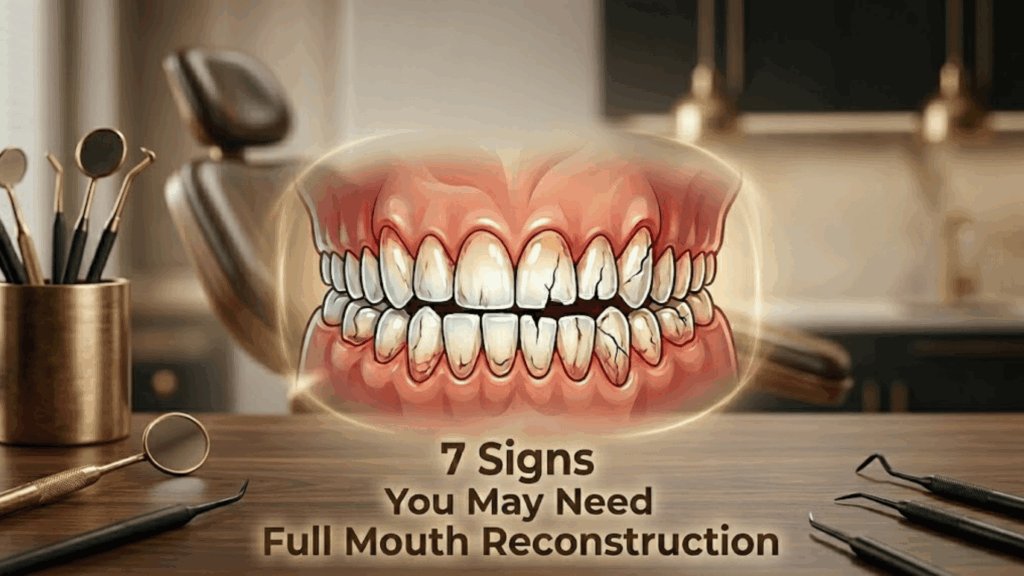
Your teeth and gums can show long-term wear over time. Small issues can build up when treatment gets delayed. In some cases, a single filling or crown cannot fix everything. Full mouth reconstruction treats multiple dental problems together. It focuses on restoring chewing ability, comfort, and everyday function.
Many patients only realize they need it after symptoms become harder to ignore. The seven signs below help you identify when a dental evaluation makes sense.
1. You Experience Chronic Jaw Pain or Headaches
Jaw pain that will not go away often points to a deeper problem. Many patients link this discomfort to temporomandibular joint (TMJ) issues. Misaligned bites place uneven pressure on your jaw joint. Over time, this strain triggers frequent headaches and facial soreness.
According to the National Institute of Dental and Craniofacial Research, TMJ disorders can stem from joint injury, arthritis, or bite problems. If your jaw clicks, locks, or aches daily, your bite may need correction. Full mouth reconstruction can realign your jaw and ease that constant tension.
2. Your Teeth Show Significant Wear or Erosion
Take a close look at your teeth in the mirror. Are they flatter, shorter, or more yellow than before? Enamel erosion happens gradually, often from grinding, acid exposure, or aging. Worn teeth lose their protective layer and become sensitive to hot and cold.
Severe wear changes your bite and facial appearance. It can also expose the inner layers of your teeth, raising your risk for decay. When wear affects most of your teeth, isolated fixes rarely last. A full reconstruction restores proper tooth height and protects what remains.
3. You Are Missing Multiple Teeth
Losing one tooth is a problem. Losing several changes how your whole mouth functions. Gaps shift surrounding teeth out of position. This shifting affects chewing, speech, and even your facial structure over time.
The American Dental Association notes that untreated tooth loss can lead to bone loss and further dental complications. If you are missing multiple teeth, your dentist may recommend implants, bridges, or dentures as part of a complete plan. Reconstructing your bite restores stability across your entire mouth.
4. You Have Ongoing Gum Disease or Bone Loss
Healthy gums hold your teeth firmly in place. When gum disease progresses, it weakens that foundation. Bleeding, swelling, or receding gums signal active infection beneath the surface. The Centers for Disease Control and Prevention reports that untreated gum disease can result in tooth loss and bone deterioration. If bone loss has already occurred, your dentist may combine periodontal treatment with restorative procedures. Addressing gum health early often prevents the need for more extensive reconstruction later.
5. You Struggle to Chew or Speak Comfortably
Eating should not feel difficult or painful. If certain foods cause discomfort, your bite alignment or tooth structure may be compromised. Some patients also notice changes in speech clarity due to missing or misaligned teeth.
These functional problems rarely improve on their own. They tend to worsen as more teeth shift or wear down. Full mouth reconstruction rebuilds your bite so chewing and speaking feel natural again.
6. You Have Multiple Damaged or Decayed Teeth
A single cavity calls for a simple filling. Widespread decay across several teeth is a different situation entirely. Repeated cycles of cavities, root canals, and crowns suggest a larger underlying issue.
Per MedlinePlus, untreated tooth decay can spread and cause infection or tooth loss. When decay affects most of your teeth, full mouth reconstruction offers a coordinated solution. It replaces damaged structures and protects healthy teeth from future harm.
7. You Feel Self-Conscious About Your Smile
Dental problems affect more than oral function. Many patients avoid smiling, speaking up, or socializing because of how their teeth look. Chips, gaps, discoloration, and uneven teeth can chip away at confidence over time.
Full mouth reconstruction often improves both health and appearance together. Some patients also explore dental veneers alongside reconstruction for a refined finish. Restoring your smile can rebuild confidence you thought you lost.
What Happens During Full Mouth Reconstruction
Every treatment plan looks different because every mouth is different. Your dentist will evaluate your bite, gum health, and tooth structure first. From there, treatment may include crowns, implants, bridges, or gum therapy.
Timelines vary based on the extent of damage and the procedures involved. Some patients complete treatment in a few months. Others with more complex needs may require treatment over a year. Your dentist will outline a realistic timeline during your consultation.
Is Full Mouth Reconstruction Painful?
Modern dental techniques prioritize comfort throughout treatment. Most procedures use local anesthesia or sedation as needed. Mild soreness after certain steps is normal and typically temporary.
Why Woodland Hills Patients Trust Dr. Pearl Zadeh
Dr. Pearl Zadeh brings years of restorative dentistry experience to every patient case. You can learn more about her background and approach before your first visit by visiting her professional background page. Many patients in Woodland Hills have shared their experiences after completing treatment. Read real patient testimonials to see how full mouth reconstruction has changed their daily lives. Call (818) 716-6722 or click the button below to schedule your consultation online.
Full mouth reconstruction is a treatment plan that restores or replaces most teeth. It combines restorative and cosmetic dental procedures to improve function and comfort.
2. How do I know if I need full mouth reconstruction?
You may need it if you have multiple damaged, missing, or worn teeth. Ongoing chewing difficulty or bite problems are also common signs.
3. Can constant tooth pain mean I need full mouth reconstruction?
Yes, ongoing tooth pain can signal deeper dental issues. When several teeth are affected, a full reconstruction may be needed instead of single treatments.
4. Is full mouth reconstruction only for severe cases?
It is usually recommended for complex dental problems. However, early evaluation helps prevent issues from becoming more severe over time.
5. What treatments are included in full mouth reconstruction?
Treatment may include crowns, bridges, veneers, implants, or fillings. Your dentist creates a plan based on your specific dental condition.
Restoring Your Worn Smile to a Vibrant, Youthful, Fully Functional & Esthetic Smile
Pearl Zadeh DDSCosmetic Dentistry
Restoring Your Worn Smile to a Vibrant, Youthful, Fully Functional & Esthetic Smile
By Dr. Pearl Zadeh, Woodland Hills Cosmetic Dentist
A worn smile can affect far more than your appearance, it can change the way your teeth fit together, strain your jaw, and make daily function less comfortable. Many patients tell me they feel like their smile has “aged faster than they have,” or that their teeth no longer reflect the energy and confidence they feel inside. The truth is, worn teeth are incredibly common, and the transformation that comes from restoring them is often life-changing.
As a Woodland Hills cosmetic dentist, my goal is to help patients understand why their teeth have worn down and how we can rebuild them into a healthy, youthful, and beautifully functional smile that enhances both comfort and confidence.
Why Teeth Wear Down Over Time
Tooth wear rarely happens overnight. It’s usually the result of years of subtle changes or habits that gradually break down enamel. Some of the most common causes include:
Grinding or clenching (bruxism): Often stress-related and commonly occurring during sleep.
Acid erosion: From acidic foods, beverages, or stomach acid.
Bite imbalances: When the teeth don’t come together properly, certain areas wear faster.
Aging: Natural wear over time, especially without preventive care.
Old dental work: Worn or failing restorations that no longer protect the teeth.
When wear becomes severe, it can flatten the biting surfaces, shorten your teeth, and cause your entire bite to collapse slightly. This affects not only how your smile looks, but also how it functions.
Signs Your Smile Is Becoming Worn
Many patients don’t realize the extent of their wear until they begin to experience symptoms such as:
Chipping or cracking
Sensitivity or thinning enamel
Difficulty chewing comfortably
Jaw fatigue or tension
A “collapsed” or older-looking smile
Darker, shorter, or uneven teeth
These changes may feel gradual, but they are signals that your teeth need support before more significant damage occurs.
Rebuilding a Worn Smile: A Thoughtful, Comprehensive Approach
Restoring worn teeth is not just about “making them look better.” It requires a deep understanding of how the teeth, bite, and jaw work together. My approach focuses on both functional stability and natural esthetics, ensuring results that look beautiful and feel comfortable for years to come.
Identifying the cause helps ensure the wear does not return after the smile is restored.
Step 2: Designing Your New Bite
Rebuilding a worn smile often means recreating the original height of your teeth. This is called restoring vertical dimension, and when done correctly, it can:
Open the bite to a more natural position
Reduce jaw tension
Improve chewing function
Soften facial lines around the mouth
Create a more youthful overall appearance
This step is carefully planned with digital imaging, models, and bite analysis to ensure comfort and precision.
Step 3: Restoring Each Tooth with Strong, Natural-Looking Materials
Depending on the amount of wear, I may use a combination of:
Porcelain crowns
Veneers
Bonding
Onlays or overlays
These restorations rebuild lost structure while protecting the teeth from future wear. High-strength ceramics allow us to recreate the natural translucency and shape of youthful teeth, blending artistry with long-term durability.
What Makes This Transformation So Effective?
Your teeth regain the shape and proportions they once had.
Your bite functions smoothly and comfortably again.
Your smile looks brighter, healthier, and naturally rejuvenated.
Patients often describe feeling like they’ve “gotten years back” in both appearance and comfort.
Step 4: Protecting Your New Smile
Once your smile is restored, we put a plan in place to keep it healthy and strong. This often includes:
A custom nightguard to prevent grinding
Regular checkups to monitor your bite
Minor habit adjustments (diet, posture, sleep)
Gentle hygiene routines that protect enamel and restorations
Creating long-term stability is just as important as the restoration itself.
The Emotional Impact of Restoring a Worn Smile
One of the most rewarding parts of my work as a Woodland Hills cosmetic dentist is witnessing the moment a patient sees their rejuvenated smile for the first time. Restoring worn teeth doesn’t just improve function, it restores the sense of vitality and confidence that a healthy smile brings.
Patients tell me they:
Smile more naturally
Feel more comfortable meeting people
Experience less jaw tension
Enjoy eating again
Look refreshed and youthful without appearing “done” or artificial
A restored smile truly enhances both quality of life and self-confidence.
Is Full-Mouth Rehabilitation Right for You?
You may be a good candidate for worn-smile restoration if you notice:
Short, flat, or chipped teeth
Increased sensitivity
Difficulty chewing
Headaches or jaw tension
Teeth that look aged or irregular
Past dental work that has worn down
A thorough evaluation will help determine whether you need a few restorations or a more comprehensive approach.
https://aacd.com
Conclusion: Your Smile Can Be Renewed, Beautifully and Comfortably
You don’t have to live with worn, aging, or uncomfortable teeth. With modern cosmetic and restorative dentistry, we can rebuild your smile into something vibrant, youthful, functional, and uniquely yours. My approach focuses on compassion, precision, and results that feel as good as they look.
If you’re ready to experience a healthier, more confident smile, I would love to help. As a trusted Woodland Hills cosmetic dentist, I welcome you to schedule a consultation so we can explore the best path toward restoring your smile and your confidence.
✨ Your most vibrant smile is still ahead, let’s rebuild it together.
What Are the Steps That Go Into a Cosmetic Veneer Case?
Pearl Zadeh DDSCosmetic Dentistry
If you’ve ever admired a smile that looks natural, confident, and effortlessly beautiful, there’s a good chance cosmetic veneers played a role. Yet many patients I meet in my practice feel unsure about what the veneer process actually involves. Is it rushed? Is it invasive? Will the results look like them?
As a Woodland Hills dentist, I believe that a successful veneer case is not just about placing porcelain on teeth, it’s about careful planning, conservative preparation, and a deep respect for biology. As a holistic dentist and biomimetic dentist, I approach veneers as a collaboration between science, artistry, and your individual goals. Let’s walk through the step-by-step process so you know exactly what to expect.
Step 1: The Initial Consultation and Smile Conversation
Listening Comes First
Every cosmetic veneer case begins with a conversation, not a procedure. During your consultation, I take time to understand:
What you like and dislike about your smile
Your dental and health history
Any functional concerns, such as wear or bite issues
Your expectations for the final result
As a cosmetic dentist, I never believe in one-size-fits-all smiles. Your veneers should complement your facial features, personality, and lifestyle.
This step also allows us to determine whether veneers are the best solution, or if another cosmetic or restorative option would better serve your goals.
Step 2: Comprehensive Oral Health Evaluation
A Healthy Foundation Is Essential
Before considering veneers, your mouth must be healthy. As a holistic dentist, I evaluate more than just the appearance of your teeth.
This assessment includes:
Gum health and inflammation
Existing restorations and decay
Tooth structure and enamel quality
Bite alignment and wear patterns
Signs of clenching or grinding
If any issues are present, we address them first. Veneers should enhance healthy teeth, not mask underlying problems.
Step 3: Smile Design and Treatment Planning
Designing a Smile That Looks Like You
Once we confirm you’re a good candidate, we move into detailed smile design. This is where cosmetic dentistry becomes both technical and artistic.
Planning may include:
Digital imaging and photography
Tooth shape and proportion analysis
Color selection based on skin tone and facial features
Consideration of lip movement and smile line
As a biomimetic dentist, I also plan veneers in a way that preserves as much natural tooth structure as possible. Conservative design leads to stronger, longer-lasting results.
Step 4: Diagnostic Mock-Up and Preview
Seeing Your Smile Before It’s Final
One of the most exciting, and reassuring, steps in a veneer case is the mock-up. This allows you to preview your new smile before anything permanent is done.
A mock-up helps:
Visualize shape, length, and symmetry
Ensure comfort with speech and bite
Fine-tune aesthetics based on your feedback
This step empowers you to be part of the design process. As your Woodland Hills dentist, I want you to feel confident and excited, not uncertain.
Step 5: Conservative Tooth Preparation
Respecting Your Natural Teeth
Modern veneer dentistry is far more conservative than many people realize. As a biomimetic dentist, my goal is to preserve natural enamel whenever possible.
Tooth preparation may involve:
Minimal reshaping of the enamel
Avoiding aggressive reduction
Protecting tooth strength and flexibility
This approach not only supports long-term health but also improves the bond and durability of your veneers.
Step 6: Temporary Veneers (When Needed)
Protecting and Previewing
In many cases, temporary veneers are placed while your custom porcelain veneers are being crafted.
Temporaries serve several important purposes:
Protect prepared teeth
Allow you to “test drive” your smile
Provide an opportunity for adjustments
Maintain comfort and aesthetics
Your feedback during this phase is invaluable and helps guide the final details.
Step 7: Custom Veneer Fabrication
Precision Meets Artistry
Your final veneers are custom-made by a skilled dental laboratory using high-quality porcelain. This process is meticulous and tailored to your unique smile.
The lab focuses on:
Natural translucency and depth
Precise color layering
Smooth contours and lifelike texture
As a cosmetic dentist, I work closely with the lab to ensure your veneers look natural, not flat or artificial.
Step 8: Final Veneer Placement and Bonding
The Moment It All Comes Together
When your veneers are ready, we carefully place and evaluate them before final bonding.
This appointment includes:
Checking fit, color, and alignment
Ensuring comfort and proper bite
Making any final refinements
Secure bonding using advanced adhesive techniques
Biomimetic bonding allows veneers to integrate seamlessly with your natural teeth, supporting strength and longevity.
Step 9: Bite Evaluation and Final Adjustments
Function Matters as Much as Beauty
A beautiful smile must also function well. After placement, I carefully assess how your teeth come together.
We evaluate:
Bite balance
Speech and comfort
Jaw movement and pressure points
This step is essential to protect your veneers and ensure long-term success.
When veneers are planned and placed with holistic and biomimetic principles, the results are more than cosmetic. They support:
Tooth strength and longevity
Gum health and comfort
Natural aesthetics
Overall oral balance
This philosophy allows cosmetic dentistry to enhance, not compromise, your health.
Final Thoughts: Veneers Done Thoughtfully Make All the Difference
A cosmetic veneer case is a journey, not a single appointment. When each step is approached with intention, precision, and care, the results can be transformative, both visually and emotionally.
Key Takeaways:
Veneers begin with careful planning and communication
Health and function come before aesthetics
Conservative, biomimetic techniques protect your teeth
Previewing your smile builds confidence
Long-term care ensures lasting results
If you’re considering veneers and want a thoughtful, personalized approach, I invite you to schedule a consultation. As a cosmetic dentist, holistic dentist, and biomimetic dentist in Woodland Hills, I’m here to help you achieve a smile that feels as good as it looks.
Your smile deserves care that honors both its beauty and its biology.
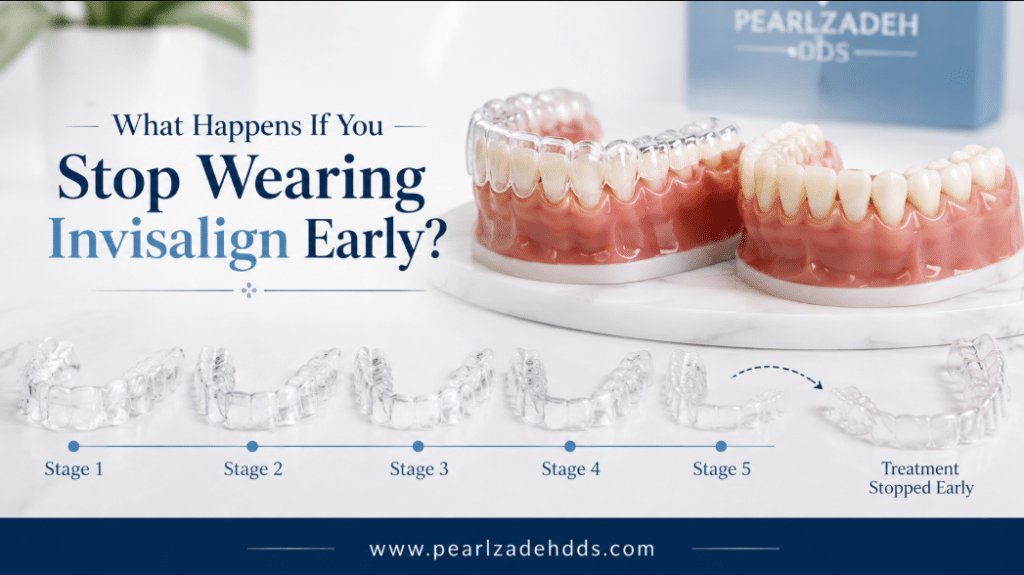
What Happens If You Stop Wearing Invisalign Early?
Pearl Zadeh DDSInvisalign
Maybe the aligners started rubbing against your cheek, so you took them out one night and meant to put them back in. Then three weeks went by. Maybe your teeth already look pretty straight, so those last few trays sitting in their box feel optional. Or maybe you lost one on a trip, planned to deal with it when you got home, and never quite got around to it.
None of that means your treatment is ruined. It also doesn’t mean nothing happened while you weren’t wearing your aligners. What happens if you stop wearing Invisalign early depends on how long the break lasted, where you were in treatment, and what your teeth are doing now.
There isn’t one answer for every situation. There is, however, a sensible way to figure out what your next step should be.
What Counts as Stopping Early?
This covers more situations than people expect. Some patients stop after three or four aligners. Others make it halfway through treatment and lose momentum. Some wear their trays inconsistently without ever making a conscious decision to quit.
A few days without an aligner after losing one is very different from putting the rest of your trays in a drawer. Both interrupt treatment, but the circumstances aren’t remotely the same.
A missed afternoon isn’t the same as three weeks without your aligners. There isn’t one exact cutoff where a short break suddenly becomes serious. The impact depends on your treatment stage and how your teeth have responded.
What matters is being honest about what happened. Your dentist needs that information to know what makes sense next.
What Actually Happens If You Stop Wearing Invisalign Early
Each aligner in your series is designed to move your teeth toward a specific position before the next one takes over. Stop partway through, and some of those planned movements may remain incomplete.
Some teeth may end up close to their intended positions. Others may not move as far as planned, especially when treatment involves rotations or more complex movements. A bite correction that was still in progress may also remain unfinished.
The result may not match the treatment plan your dentist originally created. Depending on how long you stop and how much your teeth shift, getting treatment back on track may also require additional time or aligners.
None of this happens instantly, and it doesn’t happen the same way for every patient. Invisalign’s resources on retainers explain why teeth can shift after orthodontic movement. The tissues supporting your teeth need time to adapt to their new positions, which is one reason retention matters after active treatment.
Active treatment moves your teeth toward their planned positions. Retention helps maintain those positions afterward. If you stop active treatment early, you may be stopping before the planned movements are complete.
If Your Teeth Already Look Straight, Are You Actually Done?
This is one of the more common reasons people stop, and it’s understandable. A smile can look noticeably straighter before treatment is actually finished.
What’s harder to see in the mirror is whether your bite has fully settled. A specific tooth may still need to rotate into position. Small spaces may still need to close. Those last few aligners may also be making smaller adjustments that aren’t obvious from the front.
Sometimes a dentist looks at your progress and agrees you’re genuinely finished early. That’s a legitimate outcome. The difference is that it’s a decision made after an evaluation, not a guess made in a bathroom mirror.
If you feel like you’re finished, bring it up with your dentist. It’s better to confirm you’re done than quietly decide to stop on your own.
A Few Days Off Versus a Few Weeks Off
A short gap, such as missing a day or two, doesn’t necessarily mean your treatment is off track. What matters is what happened during that break and where you were in treatment.
Your dentist may consider which aligner you were wearing, how long you went without it, and whether the tray still fits comfortably. They may also want to know whether your teeth feel different or whether the aligner now feels tighter or looser.
Don’t assume you should jump ahead to the next aligner. Don’t assume you should simply keep wearing the same one either. A quick call to your dentist’s office can give you a specific answer based on your situation.
A gap lasting weeks or months is a different situation. Your last aligner may no longer fit properly if your teeth have shifted during the break. The original sequence may also no longer match your current tooth positions.
Your dentist may need new scans to assess where things stand. From there, you may be able to continue with existing aligners, need replacements, or receive additional aligners based on an updated plan.
A longer break doesn’t automatically mean starting treatment from scratch. The next step depends on what your teeth look like when your dentist evaluates them.
Should You Just Put Your Old Aligner Back In?
Not without checking first. An aligner that fit perfectly two months ago may feel tight or uncomfortable if your teeth have shifted since then. It may also no longer fit the way your dentist intended.
Don’t force a tray that no longer fits properly. It may not be the right way to bring your treatment back on track.
Whether you should continue with your current aligner, return to an earlier one, get a replacement, or have new scans depends on your current tooth positions.
That’s something your dentist should determine after evaluating your teeth. It’s better to check than to make the decision yourself at the bathroom sink.
If Discomfort Is Why You Stopped
Some pressure or mild soreness can occur when you start wearing a new aligner. That usually reflects the pressure needed to move your teeth.
Sharp pain, an edge cutting into your cheek or gum, or discomfort that doesn’t improve deserves a closer look. You don’t need to push through significant or persistent discomfort just to stay on schedule.
Your dentist can check whether the problem comes from normal tooth movement, an irritating aligner edge, poor fit, an attachment issue, or another dental concern. Once they know what’s causing the discomfort, they can tell you what to do next.
If a Lost Aligner Is What Started This
Losing a tray happens more often than people admit. It usually happens somewhere between a gym bag, a restaurant napkin, and a dog that got to it first.
The instinct to wing it isn’t a great one. Wearing the previous aligner longer or skipping ahead to the next tray may not be appropriate for your situation.
The right next step depends on where you were in the sequence and how your teeth have been tracking. Calling the dental office sooner rather than later can help prevent a lost aligner from turning into a longer treatment break.
Can You Restart After Stopping?
Often, yes. However, restarting isn’t always as simple as picking up the next tray.
Your treatment plan was built around where your teeth were expected to move at each stage. That plan assumes you’ll wear the aligners consistently.
After a longer interruption, your current tooth positions may no longer match the original sequence. Some patients can resume with their existing aligners once their dentist confirms the fit.
Others may need new scans and additional aligners based on their current tooth positions.
Either way, restarting should begin with an evaluation rather than an assumption.
Does This Add to Your Treatment Time?
It can, though not automatically and not always by much. Extra aligners, a round of refinements, new scans, or an adjusted treatment plan can all add time after an interruption.
A short gap that gets addressed quickly may have little effect on the overall timeline. A longer break can take more time to correct if your teeth have shifted significantly.
There’s no fixed amount of extra time that applies to everyone. The impact depends on how long you stopped, where you were in treatment, and how your teeth have changed.
What About Your Bite?
Invisalign treatment often addresses more than how your teeth look. Your bite, or how your upper and lower teeth meet, may also be part of the treatment plan.
If you stop before those planned movements are complete, your bite may not reach the position your dentist originally planned. Your smile can look straight while some bite adjustments still need work.
That doesn’t automatically mean you’ll develop a serious bite problem. It simply means the functional part of your treatment may remain incomplete.
Refinements Aren’t the Same Thing as Stopping Early
These two situations can sound similar, but they’re quite different.
Refinements happen after a patient completes their planned aligners and still needs additional adjustments to reach the intended result. That’s a normal part of treatment for many patients and doesn’t mean anything went wrong. Our page on Invisalign refinements explains the process in more detail.
Stopping early is different. It means the original treatment sequence wasn’t completed before the patient stopped wearing the aligners.
What About Just Switching to a Retainer?
A retainer holds teeth in their current position. It isn’t designed to complete unfinished tooth movement.
If you stop active Invisalign treatment early and switch to a retainer on your own, you may be trying to hold teeth before they reach the positions planned for them. That’s why it’s worth speaking with your dentist before making that change.
If you’re considering stopping Invisalign and switching to a retainer, talk with your dentist first.
Why Skipping the Next Appointment Actually Matters
Check-in appointments give your dentist a chance to see how treatment is progressing. They can compare your current tooth positions with the treatment plan, check the fit of your aligners, and evaluate your bite and attachments.
If you’ve fallen behind on your wear schedule, don’t skip the appointment because you’re embarrassed. Your dentist needs to know what happened to decide whether your current plan still fits your situation.
Being upfront can make it easier to address a problem before you spend even longer off track.
Why People Actually Stop
Discomfort. Forgetting until it becomes a habit. Travel that throws off the routine. A demanding stretch at work or school. Feeling self-conscious in a particular social situation.
Sometimes it’s losing a tray and putting off the call to the dental office. Other times, patients get tired of cleaning their aligners or simply feel their smile already looks finished.
None of these reasons are unusual. More importantly, none are reasons to hide what’s happened from your dental team. Your dentist needs the full picture to help you decide what to do next.
If You’ve Already Stopped, Here’s What to Actually Do
If you’ve already stopped wearing your aligners, don’t try to fix everything yourself. Start with these steps:
Don’t panic. A treatment break doesn’t automatically undo all your progress.
Don’t force an old aligner back in if it no longer fits comfortably.
Don’t guess which tray to wear next.
Note roughly how long you’ve gone without wearing your aligners.
Contact your dentist and explain what happened.
Bring your current and previous aligners if your dentist asks you to come in.
Follow the updated instructions your dentist gives you.
The more information your dentist has, the easier it is to decide what should happen next.
When to Actually Call Your Dentist
Some situations are worth contacting your dentist about sooner rather than later:
An aligner no longer fits properly
You’ve gone an extended period without wearing your aligners
You’ve lost a tray
You’re experiencing significant or persistent pain
Your bite suddenly feels different
You can see that your teeth have shifted
You’re unsure which aligner you should wear next
Other questions can usually wait until your next scheduled visit. For example, you may simply want to discuss your progress or ask whether you’re close to finishing treatment.
Not every interruption needs a same-day call. If you’re unsure what category your situation falls into, asking your dental office is a reasonable next step.
Speak With Dr. Pearl Zadeh About Your Invisalign Treatment
What happens after stopping Invisalign early depends on where your treatment stands and how your teeth have changed. Stopping early doesn’t mean everything you’ve accomplished is wasted, and it shouldn’t stop you from reaching out for help.
Dr. Pearl Zadeh, an Invisalign Premier Provider, can evaluate your current tooth positions and bite and explain what makes sense from there. Learn more about Invisalign in Woodland Hills, or reach out to discuss your treatment.
Call (818) 716-6722 or click the button below to schedule a consultation online.
1. What happens if I stop wearing Invisalign for a few days?
A short gap usually isn’t serious, but the right next step depends on which aligner you were on and how your teeth feel now. Contact your dentist rather than guessing.
2. Can I restart Invisalign after stopping?
Often, yes. Your dentist evaluates your current tooth positions first, since a longer break can mean your existing aligners no longer match where your teeth actually are.
3. Will my teeth move back if I stop Invisalign early?
They can, though how much varies by patient. Teeth aren’t fully stable in a new position until the surrounding gum and bone tissue has time to adjust.
4. Can I wear my old Invisalign aligners after stopping treatment?
Maybe, but check with your dentist first. An aligner that fit before a break may not fit correctly anymore, and forcing it on can cause unnecessary discomfort.
5. Do I need refinements if I stop Invisalign early?
Not necessarily. Refinements are extra aligners used after completing an original series to fine-tune results. Stopping early is a different situation and may call for a different solution, decided after an evaluation.
This article is for informational purposes only and is not a substitute for professional dental advice. Please schedule a consultation with Dr. Pearl Zadeh to discuss your specific situation.