When Is a Dental Bridge Better Than an Implant?
Losing a tooth affects much more than your appearance. A missing tooth can change the way you chew, affect your speech, and place extra pressure on surrounding teeth. Over time, the gap may even cause nearby teeth to shift out of position.
Today, dentists usually recommend two main options to replace missing teeth: dental bridges and dental implants. While many people assume implants always provide the best solution, that is not true in every situation. In fact, some patients benefit more from a dental bridge because of their oral health, treatment timeline, or financial situation.
The best option depends on several factors, including bone support, gum health, neighboring teeth, healing ability, and long-term goals. Therefore, understanding the differences between bridges and implants can help you make a more informed decision before starting treatment.
What Is a Dental Bridge?
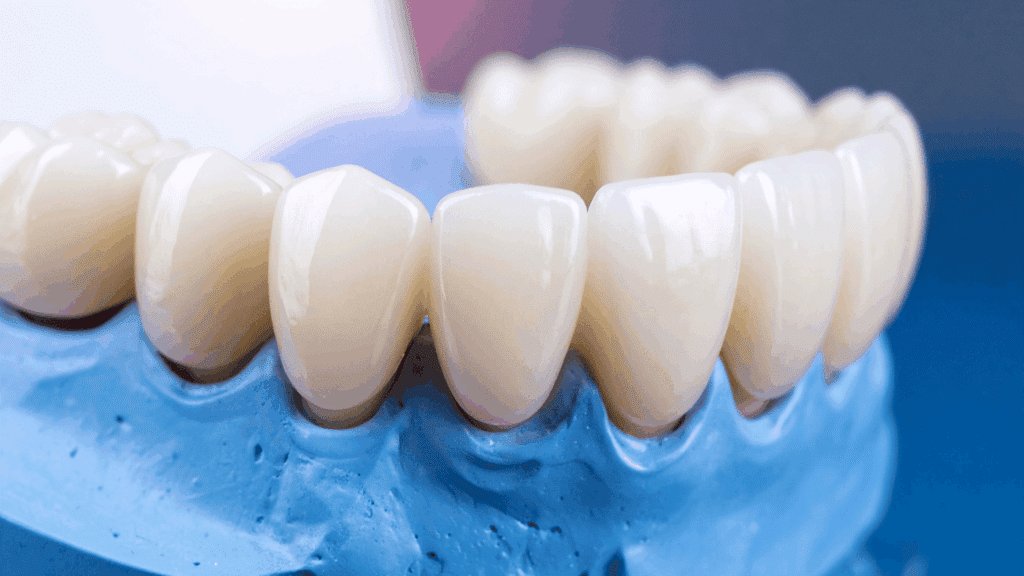
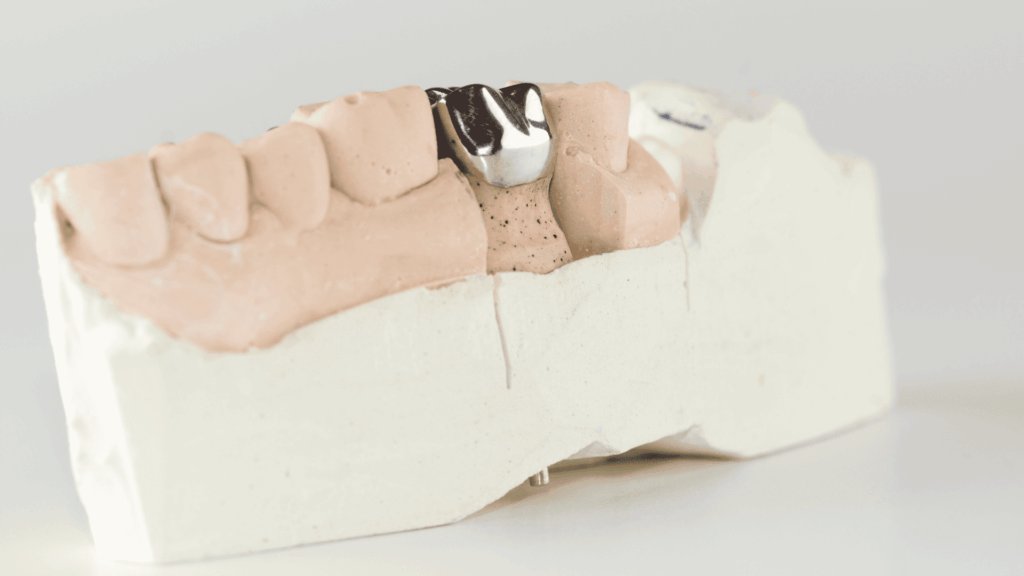
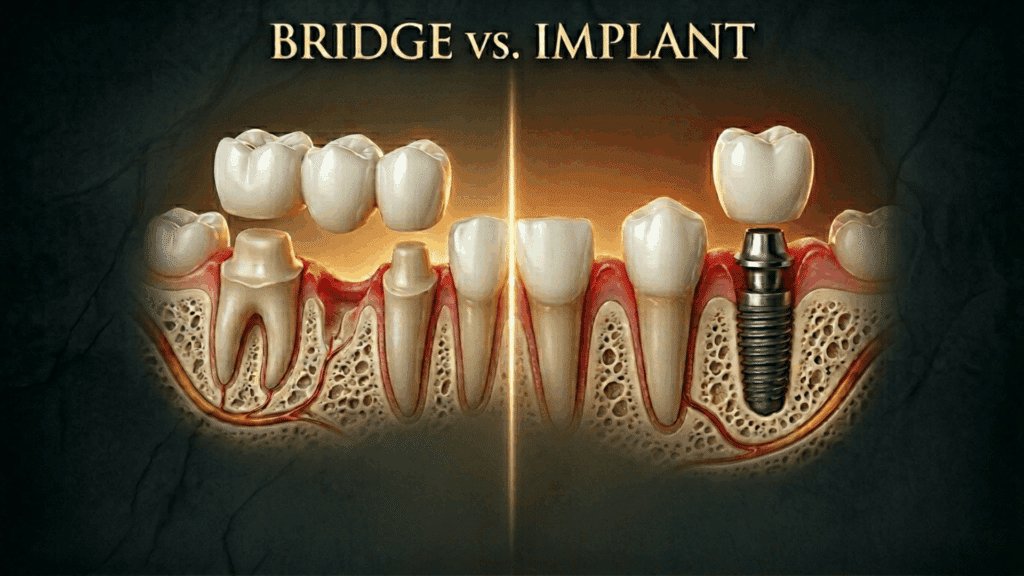
A dental bridge replaces one or more missing teeth by connecting an artificial tooth to the teeth beside the gap. Dentists call these supporting teeth “abutment teeth.”
The bridge literally “bridges” the empty space. Once placed, it restores your smile and helps you chew more comfortably.
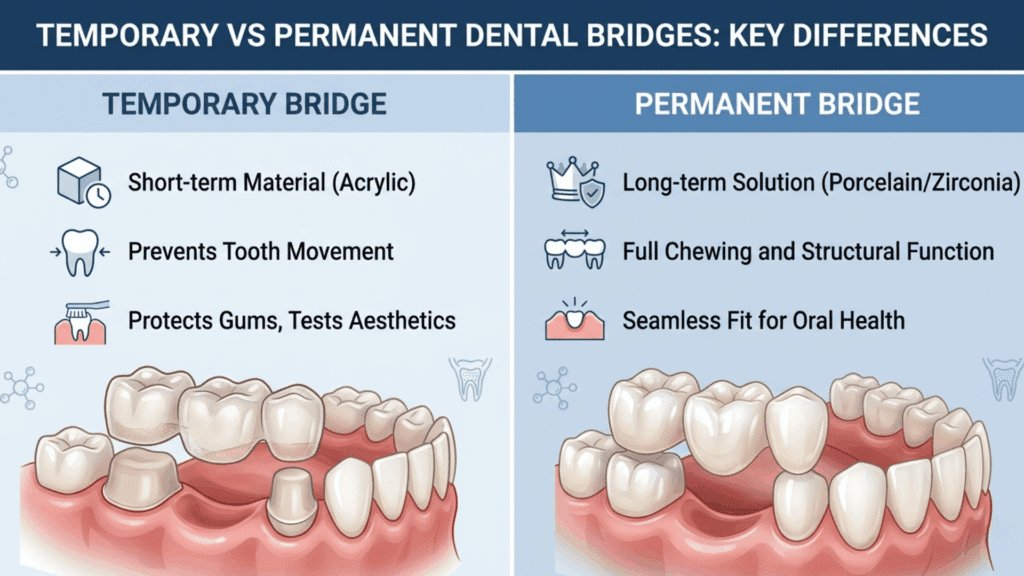
Most modern bridges use porcelain or zirconia because these materials closely resemble natural enamel. Dentists match the shape and shade carefully so the bridge blends naturally with surrounding teeth.
How a Dental Bridge Works
First, the dentist prepares the teeth next to the missing tooth. This step creates space for crowns that will hold the bridge securely in place.
Next, digital scans or impressions capture the exact shape of your mouth. A dental lab then creates a custom bridge designed specifically for your bite.
At the final appointment, the dentist bonds the bridge permanently into place.
Unlike implants, bridges usually do not require surgery. As a result, treatment often moves faster and involves less healing time.
What Is a Dental Implant?
A dental implant replaces both the visible tooth and the root underneath the gums.
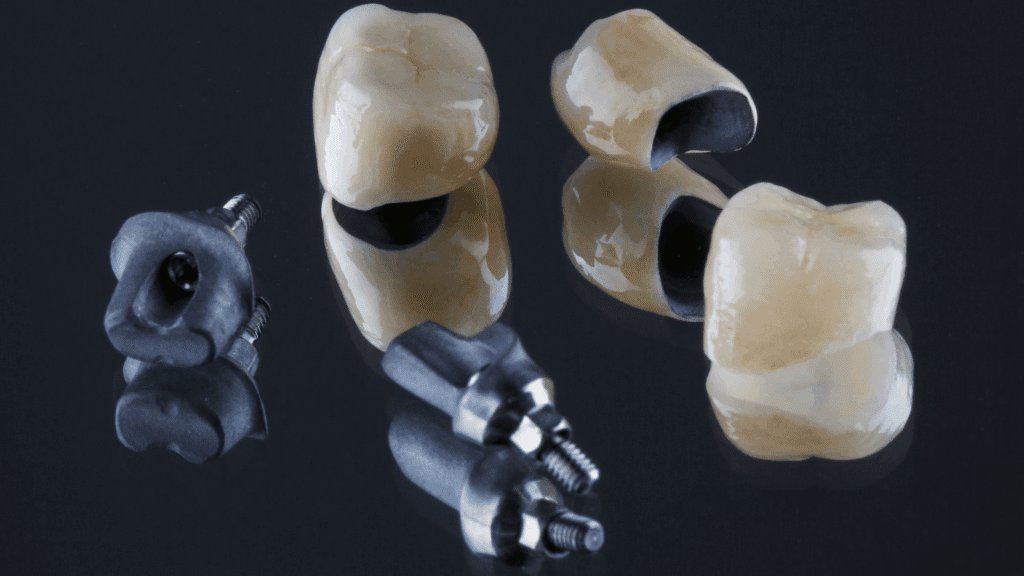
The implant itself consists of a small titanium post that a dentist places into the jawbone. Over several months, the bone gradually bonds with the implant through a process called osseointegration. Once healing finishes, the dentist attaches a custom crown on top.
Because implants replace the root structure, they help maintain jawbone strength and stability.
How Dental Implants Are Placed
Implant treatment usually happens in stages.
First, the dentist examines your gums, bone levels, and bite using digital imaging. If the jawbone looks strong enough, the dentist places the implant surgically into the bone.
After placement, the implant needs time to heal. This process may take several months depending on the patient’s health and bone quality.
Finally, the dentist attaches the crown after the implant fully integrates with the jawbone.
Although implants provide excellent long-term support, they require more time and healing than bridges.
Dental Bridge vs Implant: What Is the Difference?
Many patients compare bridges and implants only by appearance. However, dentists evaluate much more than cosmetic results alone.
Support Structure
A bridge relies on neighboring teeth for support. In contrast, an implant stands independently because it anchors directly into the jawbone.
This difference matters because implants do not place extra pressure on adjacent teeth.
However, if nearby teeth already need crowns or restorations, a bridge may actually make more sense.
Treatment Time
Bridges usually require fewer appointments and shorter healing periods.
In many cases, dentists complete bridge treatment within a few weeks. On the other hand, implants often require several months because the jawbone needs time to heal around the implant post.
Therefore, patients who want faster results often choose bridges.
Cost Differences
Dental implants generally cost more upfront because they involve surgery, specialized materials, and multiple appointments.
Bridges often cost less initially. However, future replacement or maintenance costs can vary depending on oral hygiene and wear.
Bone Preservation
Implants stimulate the jawbone similarly to a natural tooth root. Consequently, they help reduce bone shrinkage after tooth loss.
Bridges do not stimulate the bone underneath the missing tooth. Over time, that area may gradually lose volume.
Longevity
Both options can last many years with proper care.
Many bridges last between 10 and 15 years, although some last much longer. Implants can sometimes last decades if patients maintain excellent oral hygiene and avoid smoking or severe grinding habits.
Still, lifespan depends heavily on maintenance and overall oral health.
Maintenance
Bridges require careful cleaning underneath the artificial tooth because food particles can collect around the edges.
Implants also require daily brushing and flossing. However, implants do not decay like natural teeth. Even so, gum disease around implants can still cause serious complications.
When Is a Dental Bridge Better Than an Implant?
Although implants offer several advantages, bridges often work better in certain situations.
If You Want a Faster Treatment
One of the biggest advantages of a bridge involves speed.
After losing a tooth, many patients want to restore their smile quickly. Since bridges do not require surgical healing, dentists can usually complete treatment much sooner.
For example, someone preparing for a wedding, business event, or public appearance may prefer a bridge because of the shorter timeline.
Implants, meanwhile, often require months of healing before the final crown placement.
If You Do Not Have Enough Bone for an Implant
Bone loss creates one of the most common obstacles to implant treatment.
After a tooth disappears, the jawbone in that area slowly shrinks because it no longer receives stimulation from the tooth root. The longer the tooth remains missing, the more bone loss usually occurs.
In some situations, patients need bone grafting before implant placement. Bone grafts rebuild lost bone, but they increase treatment time, cost, and recovery.
Some patients prefer to avoid graft procedures entirely. Therefore, a bridge may offer a more practical solution.
Signs Bone Loss May Affect Implant Eligibility
Several factors increase the risk of bone loss:
- Missing teeth for many years
- Advanced gum disease
- Smoking history
- Severe infections
- Jawbone shrinkage from aging
Digital imaging helps dentists determine whether enough bone remains for implant support.
If the Teeth Next to the Gap Already Need Crowns
Sometimes the surrounding teeth already contain large fillings, fractures, or old crowns.
In these situations, preparing those teeth for a bridge may not remove much additional tooth structure because the teeth already need restoration.
For example, imagine a patient missing one tooth while the neighboring teeth both contain failing crowns. Instead of placing an implant and replacing the crowns separately, the dentist may recommend a bridge that addresses all three teeth together.
Therefore, bridges often work especially well when nearby teeth already require treatment.
If You Want to Avoid Oral Surgery
Implants require surgery. Even though implant surgery remains routine and highly successful, some patients still prefer less invasive treatment.
Bridges do not involve placing hardware into the jawbone. As a result, many patients feel more comfortable choosing a bridge.
Patients Who May Prefer Non-Surgical Options
Some patients avoid surgery because of:
- Medical conditions
- Anxiety about surgical procedures
- Medications that affect healing
- Advanced age
- Immune system concerns
Additionally, some patients simply do not want a lengthy recovery process.
If Budget Is a Major Concern
Cost plays a major role in treatment decisions.
While implants often provide excellent long-term value, the upfront expense can feel overwhelming for some patients. Surgery, imaging, implant components, and additional procedures increase the overall price.
Bridges usually cost less initially and may fit more comfortably within a patient’s budget.
Of course, long-term maintenance matters too. Patients should discuss future repair and replacement costs with their dentist before making a final decision.
If You Need to Replace Multiple Teeth
Replacing several missing teeth sometimes makes bridge treatment more practical.
For example, if two or three teeth sit next to each other in the same area, a bridge may restore the space efficiently without placing an implant for every missing tooth.
Additionally, some patients choose implant-supported bridges, which combine both approaches. In this setup, implants anchor the bridge instead of natural teeth.
When Is an Implant Usually the Better Choice?
Although bridges work well in many cases, implants often provide advantages under the right conditions.
If the Surrounding Teeth Are Healthy
Healthy teeth should remain untouched whenever possible.
Since traditional bridges require reshaping neighboring teeth, dentists may recommend implants when nearby teeth remain completely healthy and cavity-free.
If You Want Maximum Bone Preservation
Implants stimulate the jawbone and help preserve facial structure over time.
Without stimulation, bone loss may gradually change facial appearance around the missing tooth area.
Therefore, younger patients often choose implants to support long-term bone health.
If You Want a Standalone Replacement Tooth
Implants function independently. They do not rely on surrounding teeth for support.
Because of this, many patients prefer implants when replacing a single missing tooth.
If You Want Long-Term Stability
With excellent care, implants can remain stable for decades.
Although bridges also last many years, implants usually provide stronger long-term support because they integrate directly with the jawbone.
Factors Dentists Consider Before Recommending a Bridge or Implant
Dentists evaluate much more than the missing tooth itself before recommending treatment.
Several important factors influence the final decision:
Gum Health
Healthy gums support both bridges and implants. Active gum disease increases the risk of complications and treatment failure.
Bone Density
Implants require strong bone support. Without enough bone, implant stability becomes difficult.
Bite Pressure
Heavy grinding or clenching places enormous stress on restorations. Dentists may recommend specific materials or treatment designs depending on bite force.
Smoking Habits
Smoking slows healing and increases implant failure risk. It can also shorten the lifespan of bridges and crowns.
Medical Conditions
Conditions like uncontrolled diabetes or immune disorders may affect healing and treatment success.
Age and Healing Ability
Although age alone does not disqualify patients from implants, healing ability still matters.
Can a Bridge Be Replaced with an Implant Later?
Yes. Some patients begin with a bridge and later switch to an implant.
For example, a patient may initially choose a bridge because of budget or time limitations. Later, after improving bone health or finances, the patient may decide to pursue implant treatment.
However, long-term planning matters. Dentists should monitor bone levels carefully because bone shrinkage may continue underneath the missing tooth area.
How Long Do Dental Bridges and Implants Last?
Dental Bridge Lifespan
Most bridges last between 10 and 15 years with proper care.
Daily flossing, regular cleanings, and avoiding excessive bite pressure help extend bridge lifespan.
Dental Implant Lifespan
Implants can last decades when patients maintain healthy gums and good oral hygiene habits.
However, poor cleaning, smoking, and untreated gum disease can still lead to implant complications.
How to Decide Which Tooth Replacement Option Is Right for You
No single treatment works best for every patient.
Some people prioritize faster treatment and lower upfront costs. Others focus on bone preservation and long-term durability.
Therefore, the right decision should come after a full dental examination, digital imaging, and discussion about your goals, health history, and budget.
A good treatment plan balances appearance, comfort, function, and long-term oral health.
Schedule a Consultation to Discuss Your Tooth Replacement Options
If you have a missing tooth and feel unsure whether a dental bridge or implant makes more sense, a professional evaluation can help you compare your options clearly.
During your consultation, Dr. Pearl Zadeh will examine your gums, bone support, surrounding teeth, and bite to determine which treatment best fits your needs. Whether you need a single replacement tooth or a larger restorative plan, personalized guidance can help you make a confident decision about your smile.
Call (818) 716-6722 or click the button below to schedule your consultation.
Frequently Asked Questions
1. Does a bridge look natural?
Yes. Modern porcelain and zirconia bridges closely resemble natural teeth in both color and texture.
2. Is getting an implant painful?
Most patients tolerate implant surgery very well. Dentists use local anesthesia to keep the procedure comfortable.
3. Which option feels more like a real tooth?
Many patients say implants feel closest to natural teeth because they anchor directly into the jawbone.
4. Can a bridge replace front teeth?
Yes. Bridges commonly restore missing front teeth and can produce highly natural-looking results.
5. Are implants safer than bridges?
Both treatments remain safe when performed by qualified dentists. The better option depends on your oral health, bone support, and treatment goals.