Pearl Zadeh DDS

Author: tech@seosavvylawyer.com

  • Can You Get Veneers on Just One Tooth? What to Know
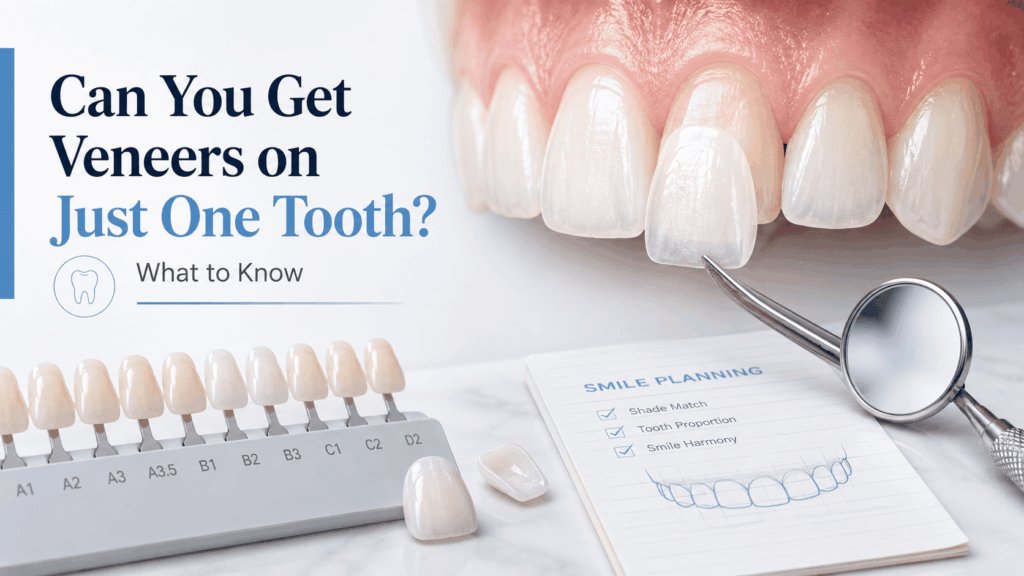
    Can You Get Veneers on Just One Tooth? What to Know

    Can You Get Veneers on Just One Tooth

    One tooth chipped years ago in an accident, or one tooth has always looked a shade darker than the rest, and you’ve put off doing anything about it because you assume fixing it means treating your whole smile. That assumption stops a lot of people from ever asking the question.

    In many cases, a single tooth can be treated on its own, though whether that’s the right call depends on more than just how the tooth looks to you in the mirror.

    Yes, a Single Veneer Is Often Possible

    Placing a veneer on just one tooth is a legitimate, commonly performed treatment, not an exception dentists avoid. Many patients come in wanting exactly this: one chipped, discolored, or misshapen tooth addressed without touching the rest of their smile. Whether it’s the right approach for you specifically depends on how that tooth compares to its neighbors, and your dentist can determine that during an evaluation rather than from a description alone.

    Situations Where a Single Veneer May Be Considered

    A few common scenarios tend to bring patients in asking about treating just one tooth.

    A Chipped or Worn Front Tooth

    A chip from an accident, a fall, or years of minor wear on one front tooth is one of the more straightforward cases for a single veneer. If the surrounding teeth are otherwise in good shape and a similar color, treating just the affected tooth is often a reasonable starting point.

    A Single Discolored Tooth That Hasn’t Responded to Whitening

    Some teeth darken due to old trauma, a root canal, or other internal changes that whitening doesn’t reach, since whitening generally affects surface staining rather than internal discoloration. When one tooth stays noticeably darker than the rest despite whitening attempts, a veneer is sometimes considered as a way to cover that specific tooth rather than whitening the whole smile repeatedly with limited results.

    Minor Shape Differences Between Teeth

    A tooth that’s slightly shorter, narrower, or oddly shaped compared to its neighbor can sometimes be addressed with a single veneer, reshaping just that tooth to sit more evenly within the smile. This works best when the difference is cosmetic rather than related to the tooth’s actual position. If the concern is more about alignment than shape alone, how veneers relate to crooked teeth covers where cosmetic treatment helps and where it doesn’t.

    A Tooth That Looks Different From Its Neighbors

    Sometimes a tooth simply looks different, in texture, translucency, or subtle color, without an obvious chip or stain to point to. This can happen naturally or as a result of an old filling that’s changed color over time. A single veneer can sometimes even that difference out, though this is one of the more nuanced cases to plan for, discussed further below.

    Replacing an Old Veneer on One Tooth

    If an existing veneer on one tooth has chipped, discolored, or simply aged differently than the rest of your smile, replacing just that veneer is a common and often straightforward request. Your dentist evaluates the surrounding teeth and any other veneers already in place to make sure the replacement blends in, rather than assuming a simple swap will automatically match. Depending on the material involved, our comparison of porcelain and composite veneers may help you understand what a replacement might involve.

    Why Some Patients Need Multiple Veneers Instead

    Not every case stays limited to one tooth once a dentist takes a closer look. If several teeth show similar wear, if your natural tooth color varies significantly across your smile, or if your goals go beyond fixing one specific concern, your dentist may recommend treating more than one tooth to achieve a result that looks balanced rather than lopsided. Our breakdown of how many veneers a smile makeover typically involves goes further into how that broader decision gets made.

    This isn’t about upselling you into more treatment than you need. It’s about the fact that a single veneer surrounded by teeth that don’t match well can sometimes draw more attention to the difference rather than less. A dentist recommending additional teeth is often trying to protect the natural-looking outcome you’re actually after.

    The Real Challenge of a Single-Tooth Veneer

    Placing a veneer on one tooth is often considered one of the more demanding procedures in cosmetic dentistry, not because the physical process is unusually complex, but because the result has to disappear convincingly next to teeth that were never touched.

    Shade Matching With Surrounding Natural Teeth

    When several teeth are veneered together, a dentist and lab can apply the same shade and translucency across all of them, creating built-in consistency. With a single tooth, the veneer has to be matched precisely to teeth that weren’t altered, which involves careful color analysis, sometimes multiple rounds of adjustment with the lab, and an honest conversation about how close a match is realistically achievable.

    Matching Shape and Proportion

    Beyond color, a single veneer also needs to reflect the size, length, and contour of the tooth next to it. Even small differences in these proportions can be noticeable up close, particularly for front teeth that people tend to look at directly when talking with you.

    Porcelain vs Natural Enamel

    Porcelain and natural enamel do not behave identically under light. Enamel has its own translucency and subtle variations that are difficult to fully replicate in one restoration. A single veneer may not look exactly like a natural tooth in every lighting condition. However, it can still provide an excellent match when viewed in the dental chair. Our porcelain veneers guide and composite veneers overview explain how each material affects translucency and appearance.

    How Lighting Changes the Way Teeth Look

    Natural teeth and porcelain do not always react to light the same way, especially under fluorescent lighting, direct sunlight, or camera flashes. A veneer that looks seamless in one setting may appear slightly different in another. This can happen with any veneer, but the difference may become more noticeable when one veneer sits beside a natural tooth.

    Bite and Tooth Position

    The way a tooth contacts its opposing tooth during biting matters for a single veneer, just as it does for a full set. If the tooth sits differently from its neighbour or receives extra bite force, your dentist considers this when choosing the material and designing the veneer. Uneven pressure can affect the veneer’s long-term durability.

    How Dentists Decide Between One Veneer and Several

    There is no fixed rule that applies to every patient. A dentist considers how well a single veneer can match, how your other teeth vary in colour and shape, and the result you want. The table below highlights general differences between the two approaches, but your dentist will base recommendations on your specific situation.

    Consideration One Veneer Multiple Veneers
    Main purpose Address an isolated concern on a single tooth Create a coordinated, balanced look across several teeth
    Common situations A chip, a stubborn stain, or one misshapen tooth Broader discoloration, several visible concerns, or a full smile makeover
    Color matching Must match existing natural teeth precisely, which can be difficult Matched to each other, giving more control over the final shade
    Smile design considerations Limited mainly to how one tooth fits within the existing smile Involves broader planning across width, proportion, and symmetry
    Treatment planning Often simpler, though shade matching adds its own complexity More involved upfront, but shade consistency is easier to control

    If a single veneer can blend well with your smile and meet your goals, it may offer a more conservative starting point. If matching one tooth convincingly seems difficult, your dentist can explain why a broader treatment plan may work better.

    Alternatives to a Single Veneer

    Veneers are not the only way to address a single-tooth concern. Depending on the cause of the issue, another option may work better. Dental bonding is often a more conservative choice for minor chips or small shape corrections. It typically requires less tooth alteration and can sometimes be completed in a single visit.

    Teeth whitening may help when the concern involves surface staining rather than deeper colour differences. However, it usually will not correct internal discolouration caused by an old injury or root canal. Orthodontic treatment may be a better option if the main concern involves tooth position rather than colour or shape. Simple reshaping or contouring can also help with very minor irregularities. This approach gently adjusts the tooth edge or surface without adding material, so some patients may not need veneers or bonding.

    Which of these fits depends entirely on what’s actually behind the concern with that tooth, not a general preference for one option over another.

    Setting Realistic Expectations for a Single Veneer

    A single veneer can often look very natural, but no dentist can promise a perfect match in every lighting condition. They also cannot guarantee that it will look identical to your untreated teeth forever. The American Dental Association notes that veneers can chip, wear, or need rebonding over time, like other restorations. Your natural teeth will also continue to change colour as you age, which may affect how closely the veneer matches years later.

    None of this means a single veneer is a poor choice. It means going in in with a realistic sense of what a good outcome looks like, rather than expecting permanent, flawless invisibility under every condition.

    Choosing a Cosmetic Dentist in Woodland Hills for Single-Tooth Cases

    Single-tooth veneers reward a dentist who takes shade matching seriously rather than treating it as a quick add-on. Dr. Pearl Zadeh’s approach to cosmetic treatment planning includes the kind of detailed shade and shape analysis that single-tooth cases require, rather than defaulting to a broader plan by default. Patients considering veneers in Woodland Hills can expect an honest conversation about whether one tooth is a realistic option for their specific smile, and our overview of cosmetic dentistry in Woodland Hills covers the fuller range of options if your case calls for something beyond a single veneer.

    If a single veneer, or a small number of them, ends up being the right fit, our guide to preparing for a veneers appointment walks through what to expect, and some patients also ask about no-prep veneers as a more conservative option for smaller, single-tooth corrections.

    Schedule a Consultation With Dr. Pearl Zadeh

    Whether one tooth or several make sense for your smile depends on your specific teeth, not a general rule that applies to every patient asking the same question. A personalized evaluation is the only reliable way to know what a realistic, natural-looking result would involve for you.

    Dr. Pearl Zadeh and her Woodland Hills team can look closely at the tooth that’s bothering you, along with the teeth around it, and walk you through whether a single veneer or a broader plan fits your goals.

    Call (818) 716-6722 or click the button below to schedule your consultation online.

    Schedule a Consultation

    Frequently Asked Questions

    1. Can you get veneers on just one tooth?

    In many cases, yes. A single veneer can address an isolated chip, stain, or shape concern, though your dentist will evaluate whether it can realistically match your surrounding teeth first.

    2. Will one veneer look different from my natural teeth?

    It may, to some degree, depending on the lighting and how closely the dentist matches the shade and translucency. A careful shade-matching process can reduce noticeable differences, but it cannot guarantee a perfect match in every condition.

    3. Can a single veneer match surrounding teeth?

    Often, yes, though dentists consider this one of the more technically demanding aspects of cosmetic dentistry. The process typically requires careful shade analysis and may involve multiple adjustments with the dental lab.

    4. Should I get multiple veneers instead of one?

    This depends on how much your other teeth vary in color and shape, and on your overall goals. Your dentist may recommend additional teeth if matching just one convincingly isn’t realistic for your smile.

    5. Can I add more veneers later?

    In many cases, yes, though your dentist will need to evaluate how new veneers would match the existing one in shade and shape. This is worth raising during your original consultation if it’s something you’re considering.
  • Can Invisalign Close Gaps Between Teeth? What to Expect

    Can Invisalign Close Gaps Between Teeth? What to Expect

    Can Invisalign Close Gaps Between Teeth

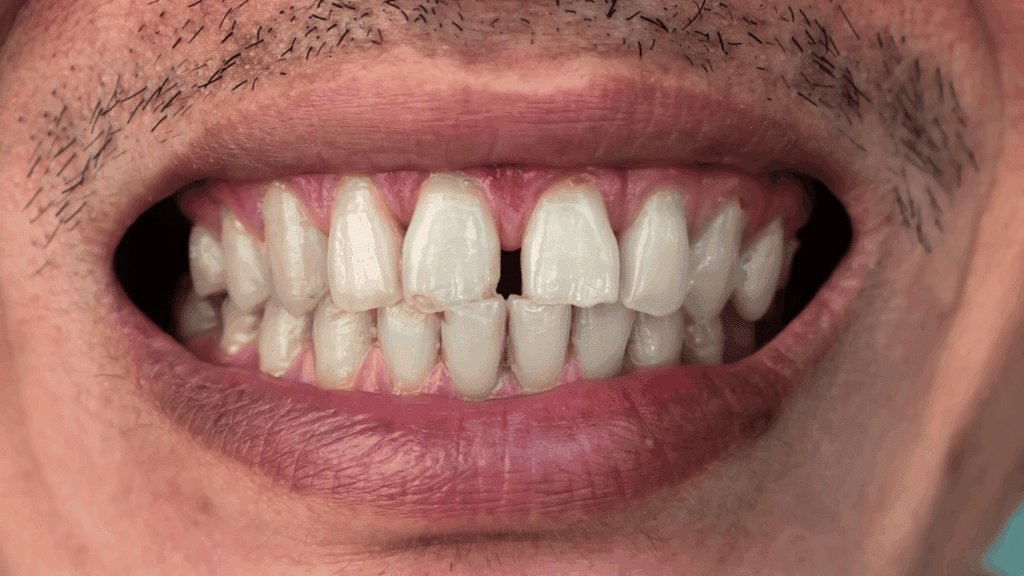
    Gaps between teeth are common, and many people want to close them for both appearance and function. Invisalign is often considered for this purpose because it moves teeth gradually without metal brackets. But the real question is whether it actually works for spacing issues and what the process feels like in practice.

    The short answer is yes. Invisalign can close many types of gaps. However, the outcome depends on the size of the spaces, the position of your teeth, and how consistently you wear the aligners.

    Let’s look at how it works and what you should realistically expect.

    How Invisalign actually closes gaps

    Invisalign works by applying gentle, controlled pressure through a series of clear aligners. Each aligner makes small adjustments, and those changes build up over time.

    When closing gaps, teeth do not move straight across in one step. Instead, the process is gradual and controlled:

    • Teeth slowly drift toward each other as space reduces.
    • The angle of certain teeth may shift so they sit more naturally in line.
    • In some cases, the overall arch is adjusted slightly to balance spacing across the smile.

    Every movement is planned in advance using a digital scan of your teeth. This allows the dentist to map out where each tooth should move and how long each stage will take.

    Why gaps form in the first place

    Not all spacing issues have the same cause, and this affects treatment results.

    Some gaps appear because teeth are naturally smaller than the jaw. Others develop after teeth shift over time due to bite pressure or missing teeth. In some cases, previous orthodontic treatment may have allowed spacing to return.

    When the cause is simple crowding or minor size differences, Invisalign usually handles it well. When spacing is linked to missing teeth or bite imbalance, additional treatment may be needed alongside aligners.

    Types of gaps Invisalign can improve

    Invisalign is commonly used for:

    • Front tooth gaps that affect appearance
    • Small to moderate spacing across several teeth
    • Shifting that happens after braces or retainers are stopped
    • Uneven spacing caused by mild alignment issues

    Larger gaps can also improve, but they often take longer and may require attachments or elastic bands to guide movement more precisely.

    In cases where a tooth is missing, Invisalign alone will not replace it. Instead, the space may be prepared for a future implant or bridge.

    What the treatment process feels like

    Treatment begins with a scan or impression of your teeth. This creates a 3D model that shows how your teeth will move over time. Once the plan is approved, a series of aligners is made specifically for your mouth.

    Each aligner is worn for about one to two weeks. You remove them only when eating, drinking anything other than water, and brushing your teeth. Most of the day, they stay in place to keep pressure consistent.

    At first, each new set of aligners can feel tight. That pressure is a normal sign that teeth are responding. It usually settles after a couple of days.

    Some people also notice a slight change in speech during the first week, but this typically improves quickly as the tongue adapts.

    How long it takes to close gaps

    The timeline depends mainly on how wide the gaps are and how consistently the aligners are worn.

    Small gaps between front teeth may start to show change within a few weeks. More noticeable improvement often appears within two to three months. Full treatment can take anywhere from several months to over a year.

    Wear time matters more than most people expect. Aligners need to stay in for 20 to 22 hours a day. When they are removed too often or for long periods, teeth slow down and gaps take longer to close.

    What changes during treatment

    As gaps begin to close, small changes become noticeable in daily life.

    Teeth may feel slightly different when biting, especially after switching to a new aligner. Some aligners may feel tighter than others depending on which teeth are moving at that stage.

    Cleaning also becomes more important. Food can still get trapped easily between shifting teeth, so brushing and flossing help keep gums healthy during the process.

    Where Invisalign has limits

    Invisalign can handle many spacing issues, but it does have boundaries.

    Very large gaps caused by missing teeth usually need additional dental work. Severe bite problems may also require combined treatment to achieve stable results.

    Success also depends on consistency. If aligners are not worn as directed, teeth can move unpredictably, which affects how well gaps close.

    A proper assessment is important before starting so the treatment plan matches the actual condition of the teeth.

    After gaps close

    Once spacing is corrected, teeth still need support to stay in position. Without it, they can slowly shift back over time.

    This is why retainers are used after treatment. At first, they are often worn full-time, then later only at night based on guidance.

    This stage is just as important as the active treatment phase because it helps keep the results stable long-term.

    Find Out If Invisalign Can Close Your Teeth Gaps

    Invisalign can close many types of gaps effectively, especially when spacing is mild to moderate and the treatment plan is followed closely. The process is steady rather than instant, and changes build gradually over time.

    The key factor is not just the aligners themselves, but how consistently they are worn and how well the treatment is planned from the start.

    At Pearl Zadeh DDS, we assess your teeth carefully, plan each movement with precision, and guide you through every stage of Invisalign treatment so your results stay predictable and stable. Call (818) 716-6722 or click the button below to schedule your consultation online.

    Schedule a Consultation

    Frequently Asked Questions

    1. Can Invisalign really close gaps between teeth?

    Yes, Invisalign can close many types of gaps by gradually moving teeth closer together. It works best for small to moderate spacing, especially when the teeth and gums are otherwise healthy.

    2. How long does it take to close gaps with Invisalign?

    Smaller gaps may start improving within a few weeks, while more visible changes often show within two to three months. Full treatment usually takes several months, depending on the size of the gaps and how consistently aligners are worn.

    3. Will Invisalign work if I have a large gap?

    Invisalign can still help with larger gaps, but treatment may take longer and sometimes requires additional tools like attachments or elastics. In cases involving missing teeth, other dental treatments may be needed alongside aligners.

    4. Is Invisalign uncomfortable when closing gaps?

    Most people feel mild pressure when switching to a new set of aligners. This is normal and usually fades after a few days as the teeth adjust to their new position.

    5. Do gaps come back after Invisalign treatment?

    They can shift back if retainers are not used. That’s why retainers are essential after treatment to keep teeth in their new position and maintain the results over time.

    Related Articles:

    1. Can Invisalign Change Your Jawline or Face Shape?
    2. Invisalign for Mild vs Severe Cases. What’s the Difference?
    3. Invisalign vs. Clear Aligners: What Woodland Hills Adults Need to Know
    4. Common Mistakes Invisalign Patients Make and How to Avoid Them
    5. Can Invisalign Fix Overbite, Underbite, and Crowded Teeth?
    6. Retainers After Invisalign. Why They Matter and How to Care for Them
    7. How Invisalign Treatment Works Step by Step

  • Can You Replace All Your Amalgam Fillings at Once?

    Can You Replace All Your Amalgam Fillings at Once?

    Can You Replace All Your Amalgam Fillings at Once

    A lot of patients ask the same thing: “Can I remove all my old fillings in one appointment and get it over with?” It is a reasonable question, especially if you want to avoid multiple dental visits.

    The answer depends on your situation. In some cases, dentists can remove all amalgam fillings in one visit. In other cases, a staged approach makes more sense for comfort and safety.

    The number of fillings, their size, your overall health, and how well you tolerate longer appointments all play a role in the decision. A dentist experienced in amalgam removal will look at these factors before suggesting a treatment plan.

    If you are still learning about the process, you can start here: What Is Mercury Amalgam Removal and Is It Safe?

    Is It Safe to Remove All Amalgam Fillings at Once?

    Removing amalgam fillings is not unsafe when it is done with proper technique and precautions. The real question is whether doing everything in one visit is the right choice for you.

    When amalgam is removed, small amounts of mercury vapor and particles can be released. Safety protocols help reduce exposure, but longer appointments naturally mean more time in the chair and more work happening at once.

    For someone with just a few small fillings, completing the removal in one visit is often manageable. For patients with several larger fillings, spreading the treatment over multiple appointments is usually more comfortable and easier to control.

    Your dentist will look at the number, size, and condition of your fillings before deciding what approach makes the most sense for you.

    What Factors Decide the Treatment Plan?

    No dentist should recommend a plan without first understanding your full situation. Several factors influence how amalgam removal is scheduled and whether it is done in one visit or over multiple appointments.

    The number of fillings plays a big role. Removing two fillings is very different from removing eight or ten. More fillings mean more time in the chair and a longer overall procedure.

    Size and location also matter. Larger fillings take longer to remove, and back teeth are harder to access than front teeth. This affects both comfort and treatment time.

    Your medical history is another important factor. Some patients benefit from a slower, staged approach based on their overall health, medications, or sensitivities. Your dentist will usually review this before making a recommendation.

    Comfort level is just as important. Longer dental visits can be tiring. Some patients are fine with extended sessions, while others prefer shorter appointments that feel easier to manage.

    Jaw fatigue can also influence the plan. Keeping the mouth open for a long time can strain the jaw muscles and joints, especially for patients who already have TMJ issues or tension in that area.

    Finally, consistency during treatment matters. IAOMT-guided removal requires careful attention at every step. In very long appointments, fatigue can affect precision, so some dentists prefer shorter sessions to maintain strict control throughout the process.

    If you are still deciding whether removal is needed at all, this guide may help: How to Know If Your Amalgam Fillings Need Replacement.

    Pros and Cons of Full Mouth Amalgam Removal

    If you are trying to decide whether to remove all your amalgam fillings at once or spread the treatment over several visits, it helps to look at both options clearly.

    Doing It All at Once

    One of the main advantages is convenience. You book fewer appointments, go through the process once, and complete the recovery in a single period. For patients with busy schedules or those who travel far to see their dentist, this can make a big difference.

    Another benefit is speed. Completing everything in one session means you reach your end goal sooner. Some patients prefer this because it reduces the time spent thinking about ongoing treatment.

    There is also a sense of closure. Once it is done, there are no more follow-up removal appointments to plan around.

    Spreading It Out Over Multiple Visits

    Longer appointments are the main drawback of doing everything at once. Full-mouth removal can take several hours depending on the number of fillings. That can be physically tiring for both the patient and the dental team.

    Fatigue is another factor. Holding your mouth open for extended periods can strain the jaw, and longer procedures naturally require more endurance.

    Bite adjustments can also be simpler when treatment is done in stages. When fewer teeth are restored at one time, it is often easier to fine-tune the bite and make small corrections if needed.

    For some patients, a staged approach is not just a preference but a clinical decision. Factors like overall health, number of fillings, and comfort level can make multiple visits the safer and more practical option.

    How IAOMT Protocols Make Multi-Filling Removal Safer

    Whether a patient removes a few fillings or several, the same safety principles apply. IAOMT protocols focus on reducing mercury exposure for both the patient and the dental team throughout the procedure.

    These steps work together during treatment:

    • Dentists place a dental dam around the tooth to isolate the treatment area. This barrier helps prevent fragments from reaching the throat or being swallowed during removal.
    • Throughout the procedure, the dental team uses high-volume suction to remove vapor and particles directly from the mouth. This system captures airborne contaminants far more effectively than standard dental suction.
    • The team also uses a continuous flow of water during drilling. Because heat can increase mercury vapor release, cooling the filling helps keep temperatures under control.
    • Additional evacuation devices sit close to the mouth and nose to capture anything that escapes the main suction system.
    • The dental team covers patients with protective barriers to prevent particles from settling on the skin, hair, or clothing.
    • Some patients breathe through a nasal oxygen or filtered air system during removal. This provides a cleaner air source throughout the procedure.
    • After removing each filling, the dentist thoroughly rinses and clears the mouth before moving on to the next tooth or completing the appointment.

    Each of these steps plays a role on its own, but the real benefit comes from using them together in a consistent way. When multiple fillings are removed in one session, maintaining that consistency becomes even more important.

    You can learn more about why these standards matter here: Why IAOMT Protocols Matter in Mercury Amalgam Removal.

    When Dentists Prefer a Staged Approach

    Many dentists who focus on amalgam removal prefer to work in stages, even when a patient wants everything done in one visit. This comes down to control, comfort, and consistency during treatment.

    Splitting the work into two or three appointments gives each session a clear focus. The dentist is not trying to rush through a long list of fillings, and each safety step can be carried out with steady attention. Patients also tend to feel less tired during shorter visits.

    A staged approach also makes it easier to monitor how the bite feels after the first treatment. Any adjustments made early on can guide the next session.

    Spacing appointments out also gives the body time to recover between visits. Some dentists treat one section of the mouth at a time, while others group fillings based on size or complexity.

    Your dentist will usually explain why they recommend a specific plan. It is always worth asking so you understand how the decision was made.

    What to Expect If You Remove Multiple Fillings in One Visit

    If you and your dentist decide to complete everything in a single visit, it helps to know what the day will feel like so you can plan properly.

    The appointment will be longer than a standard visit. Depending on how many fillings are involved, it can take two to three hours or more. It is best to wear comfortable clothing and avoid planning anything demanding afterward.

    As the procedure goes on, your jaw may start to feel tired. Keeping your mouth open for an extended time puts strain on the muscles and joint, so mild soreness afterward is common.

    Some temporary tooth sensitivity can also occur. Teeth that were treated may react to hot or cold for a short period, usually settling within a few days to a couple of weeks.

    After the appointment, most patients benefit from taking the rest of the day easy. This type of treatment is more involved than a routine filling, and giving your body time to recover is helpful.

    When multiple restorations are placed at once, small bite adjustments may also be needed. Your dentist will usually check this at a follow-up visit and make any refinements if necessary.

    For more detail on how to prepare and what to expect before and after treatment, you can visit What to Do Before and After Mercury Amalgam Removal.

    How to Decide What Is Right for You

    There is no single approach that works for everyone. The right plan depends on your mouth, your health, and how you respond to dental treatment.

    Some patients have only a few small fillings and feel comfortable completing everything in one visit. Others have more complex dental work, health considerations, or anxiety that makes a staged approach a better fit.

    This is not a decision to make based on online information alone. Your dentist needs to examine your teeth, review your medical history, and understand your goals before recommending a plan. That discussion helps shape an approach that fits you as an individual.

    It is also helpful to ask questions during that conversation. A good dentist will explain why they are suggesting a certain plan and take the time to walk you through it without rushing.

    If you want to understand more about how careful removal is done, you can read How to Remove Amalgam Fillings Safely.

    Get a Professional Evaluation First

    Removing all amalgam fillings at once is possible for the right patient and the right clinical situation. It is not automatically unsafe, but it is also not always the most suitable option.

    The key factor is how a dentist performs the procedure. Safe removal depends on proper IAOMT protocols and a dentist who manages mercury exposure throughout the process. Whether the dentist completes treatment in one visit or spreads it over several, they should keep the same level of care throughout.

    If you have old silver fillings and are considering removal, the first step is a consultation. A dentist can assess your situation and recommend a plan based on your needs, not a fixed approach.

    Dr. Pearl Zadeh follows IAOMT-recommended protocols for safe amalgam removal. Protective steps are used for every procedure, whether you are removing one filling or several.

    Call (818) 716-6722 or click the button below to schedule your consultation online.

    Schedule a Consultation

    Frequently Asked Questions

    1. Can all amalgam fillings be removed in one appointment?

    In some cases, yes. Patients with a small number of fillings and good overall health may complete removal in one visit. When there are more fillings or more complex dental work, a staged approach is often more practical and comfortable. Your dentist will assess your situation and recommend the right plan.

    2. Is it safe to replace multiple silver fillings at once?

    Yes, as long as proper safety protocols are used throughout the procedure. The main concern during amalgam removal is mercury vapor and particle exposure while drilling. IAOMT-guided protocols are designed to reduce that exposure, even during longer appointments. The more fillings involved, the more important it is to have an experienced dentist following these steps.

    3. How long does full mouth amalgam removal take?

    It depends on the number and size of the fillings. A typical full-mouth session usually takes around two to three hours. More complex cases may take longer or be split into multiple visits. Your dentist will give you a more accurate estimate after reviewing your case.

    4. Do I need sedation for multiple filling removal?

    Sedation is optional, not required. Some patients choose it if they feel anxious or if they prefer a more relaxed experience during longer appointments. Many others complete treatment with local anesthesia alone. It is best to discuss comfort options with your dentist before the procedure.

    5. What is the recovery like after removing several fillings?

    Most patients feel mild jaw soreness, slight fatigue, and temporary tooth sensitivity after a longer appointment. These effects usually improve within a day or two, although sensitivity can last a bit longer as the teeth adjust to new restorations. Resting after the procedure, drinking water, and avoiding very hot or cold foods for the first day can help recovery. If pain, swelling, or sensitivity continues beyond a few days, contact your dentist for a review.

    Related Articles:

    1. What Is Mercury Amalgam Removal and Is It Safe?
    2. What to Do Before and After Mercury Amalgam Removal
    3. Why IAOMT Protocols Matter in Mercury Amalgam Removal
    4. How to Know If Your Amalgam Fillings Need Replacement
    5. Safe Mercury Filling Removal: What Every Patient Should Know
    6. Should You Replace Old Silver Fillings Even If They Don’t Hurt?
    7. What Are the Side Effects of Mercury Filling Removal?
    8. Are Amalgam Fillings Leaky? What Dr. Pearl Zadeh’s Dental Office Wants You to Know

  • When Is a Dental Bridge Better Than an Implant?

    When Is a Dental Bridge Better Than an Implant?

    When Is a Dental Bridge Better Than an Implant

    Losing a tooth affects much more than your appearance. A missing tooth can change the way you chew, affect your speech, and place extra pressure on surrounding teeth. Over time, the gap may even cause nearby teeth to shift out of position.

    Today, dentists usually recommend two main options to replace missing teeth: dental bridges and dental implants. While many people assume implants always provide the best solution, that is not true in every situation. In fact, some patients benefit more from a dental bridge because of their oral health, treatment timeline, or financial situation.

    The best option depends on several factors, including bone support, gum health, neighboring teeth, healing ability, and long-term goals. Therefore, understanding the differences between bridges and implants can help you make a more informed decision before starting treatment.

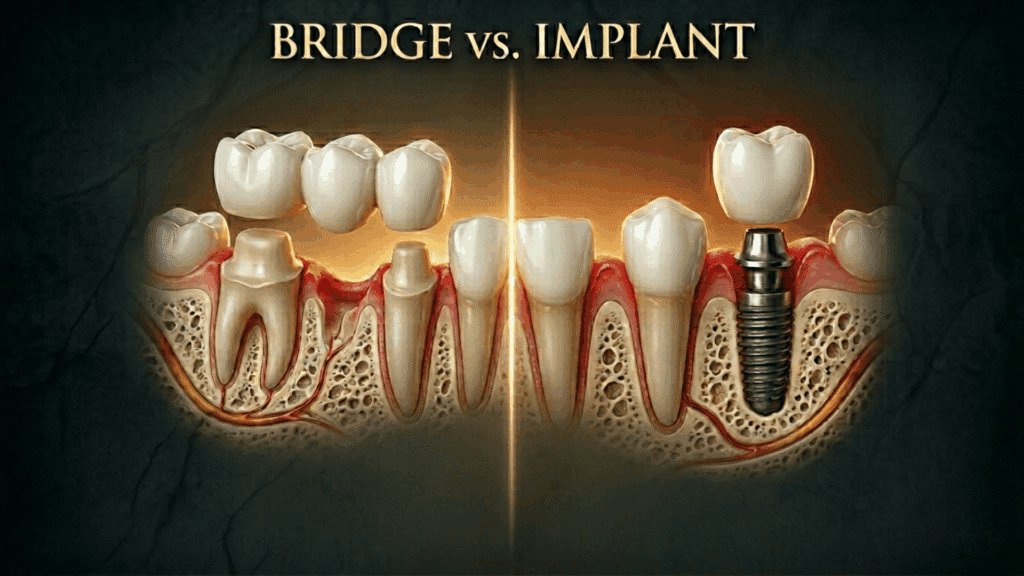
    What Is a Dental Bridge?

    A dental bridge replaces one or more missing teeth by connecting an artificial tooth to the teeth beside the gap. Dentists call these supporting teeth “abutment teeth.”

    The bridge literally “bridges” the empty space. Once placed, it restores your smile and helps you chew more comfortably.

    Most modern bridges use porcelain or zirconia because these materials closely resemble natural enamel. Dentists match the shape and shade carefully so the bridge blends naturally with surrounding teeth.

    How a Dental Bridge Works

    First, the dentist prepares the teeth next to the missing tooth. This step creates space for crowns that will hold the bridge securely in place.

    Next, digital scans or impressions capture the exact shape of your mouth. A dental lab then creates a custom bridge designed specifically for your bite.

    At the final appointment, the dentist bonds the bridge permanently into place.

    Unlike implants, bridges usually do not require surgery. As a result, treatment often moves faster and involves less healing time.

    What Is a Dental Implant?

    A dental implant replaces both the visible tooth and the root underneath the gums.

    The implant itself consists of a small titanium post that a dentist places into the jawbone. Over several months, the bone gradually bonds with the implant through a process called osseointegration. Once healing finishes, the dentist attaches a custom crown on top.

    Because implants replace the root structure, they help maintain jawbone strength and stability.

    How Dental Implants Are Placed

    Implant treatment usually happens in stages.

    First, the dentist examines your gums, bone levels, and bite using digital imaging. If the jawbone looks strong enough, the dentist places the implant surgically into the bone.

    After placement, the implant needs time to heal. This process may take several months depending on the patient’s health and bone quality.

    Finally, the dentist attaches the crown after the implant fully integrates with the jawbone.

    Although implants provide excellent long-term support, they require more time and healing than bridges.

    Dental Bridge vs Implant: What Is the Difference?

    Many patients compare bridges and implants only by appearance. However, dentists evaluate much more than cosmetic results alone.

    Support Structure

    A bridge relies on neighboring teeth for support. In contrast, an implant stands independently because it anchors directly into the jawbone.

    This difference matters because implants do not place extra pressure on adjacent teeth.

    However, if nearby teeth already need crowns or restorations, a bridge may actually make more sense.

    Treatment Time

    Bridges usually require fewer appointments and shorter healing periods.

    In many cases, dentists complete bridge treatment within a few weeks. On the other hand, implants often require several months because the jawbone needs time to heal around the implant post.

    Therefore, patients who want faster results often choose bridges.

    Cost Differences

    Dental implants generally cost more upfront because they involve surgery, specialized materials, and multiple appointments.

    Bridges often cost less initially. However, future replacement or maintenance costs can vary depending on oral hygiene and wear.

    Bone Preservation

    Implants stimulate the jawbone similarly to a natural tooth root. Consequently, they help reduce bone shrinkage after tooth loss.

    Bridges do not stimulate the bone underneath the missing tooth. Over time, that area may gradually lose volume.

    Longevity

    Both options can last many years with proper care.

    Many bridges last between 10 and 15 years, although some last much longer. Implants can sometimes last decades if patients maintain excellent oral hygiene and avoid smoking or severe grinding habits.

    Still, lifespan depends heavily on maintenance and overall oral health.

    Maintenance

    Bridges require careful cleaning underneath the artificial tooth because food particles can collect around the edges.

    Implants also require daily brushing and flossing. However, implants do not decay like natural teeth. Even so, gum disease around implants can still cause serious complications.

    When Is a Dental Bridge Better Than an Implant?

    Although implants offer several advantages, bridges often work better in certain situations.

    If You Want a Faster Treatment

    One of the biggest advantages of a bridge involves speed.

    After losing a tooth, many patients want to restore their smile quickly. Since bridges do not require surgical healing, dentists can usually complete treatment much sooner.

    For example, someone preparing for a wedding, business event, or public appearance may prefer a bridge because of the shorter timeline.

    Implants, meanwhile, often require months of healing before the final crown placement.

    If You Do Not Have Enough Bone for an Implant

    Bone loss creates one of the most common obstacles to implant treatment.

    After a tooth disappears, the jawbone in that area slowly shrinks because it no longer receives stimulation from the tooth root. The longer the tooth remains missing, the more bone loss usually occurs.

    In some situations, patients need bone grafting before implant placement. Bone grafts rebuild lost bone, but they increase treatment time, cost, and recovery.

    Some patients prefer to avoid graft procedures entirely. Therefore, a bridge may offer a more practical solution.

    Signs Bone Loss May Affect Implant Eligibility

    Several factors increase the risk of bone loss:

    • Missing teeth for many years
    • Advanced gum disease
    • Smoking history
    • Severe infections
    • Jawbone shrinkage from aging

    Digital imaging helps dentists determine whether enough bone remains for implant support.

    If the Teeth Next to the Gap Already Need Crowns

    Sometimes the surrounding teeth already contain large fillings, fractures, or old crowns.

    In these situations, preparing those teeth for a bridge may not remove much additional tooth structure because the teeth already need restoration.

    For example, imagine a patient missing one tooth while the neighboring teeth both contain failing crowns. Instead of placing an implant and replacing the crowns separately, the dentist may recommend a bridge that addresses all three teeth together.

    Therefore, bridges often work especially well when nearby teeth already require treatment.

    If You Want to Avoid Oral Surgery

    Implants require surgery. Even though implant surgery remains routine and highly successful, some patients still prefer less invasive treatment.

    Bridges do not involve placing hardware into the jawbone. As a result, many patients feel more comfortable choosing a bridge.

    Patients Who May Prefer Non-Surgical Options

    Some patients avoid surgery because of:

    • Medical conditions
    • Anxiety about surgical procedures
    • Medications that affect healing
    • Advanced age
    • Immune system concerns

    Additionally, some patients simply do not want a lengthy recovery process.

    If Budget Is a Major Concern

    Cost plays a major role in treatment decisions.

    While implants often provide excellent long-term value, the upfront expense can feel overwhelming for some patients. Surgery, imaging, implant components, and additional procedures increase the overall price.

    Bridges usually cost less initially and may fit more comfortably within a patient’s budget.

    Of course, long-term maintenance matters too. Patients should discuss future repair and replacement costs with their dentist before making a final decision.

    If You Need to Replace Multiple Teeth

    Replacing several missing teeth sometimes makes bridge treatment more practical.

    For example, if two or three teeth sit next to each other in the same area, a bridge may restore the space efficiently without placing an implant for every missing tooth.

    Additionally, some patients choose implant-supported bridges, which combine both approaches. In this setup, implants anchor the bridge instead of natural teeth.

    When Is an Implant Usually the Better Choice?

    Although bridges work well in many cases, implants often provide advantages under the right conditions.

    If the Surrounding Teeth Are Healthy

    Healthy teeth should remain untouched whenever possible.

    Since traditional bridges require reshaping neighboring teeth, dentists may recommend implants when nearby teeth remain completely healthy and cavity-free.

    If You Want Maximum Bone Preservation

    Implants stimulate the jawbone and help preserve facial structure over time.

    Without stimulation, bone loss may gradually change facial appearance around the missing tooth area.

    Therefore, younger patients often choose implants to support long-term bone health.

    If You Want a Standalone Replacement Tooth

    Implants function independently. They do not rely on surrounding teeth for support.

    Because of this, many patients prefer implants when replacing a single missing tooth.

    If You Want Long-Term Stability

    With excellent care, implants can remain stable for decades.

    Although bridges also last many years, implants usually provide stronger long-term support because they integrate directly with the jawbone.

    Factors Dentists Consider Before Recommending a Bridge or Implant

    Dentists evaluate much more than the missing tooth itself before recommending treatment.

    Several important factors influence the final decision:

    Gum Health

    Healthy gums support both bridges and implants. Active gum disease increases the risk of complications and treatment failure.

    Bone Density

    Implants require strong bone support. Without enough bone, implant stability becomes difficult.

    Bite Pressure

    Heavy grinding or clenching places enormous stress on restorations. Dentists may recommend specific materials or treatment designs depending on bite force.

    Smoking Habits

    Smoking slows healing and increases implant failure risk. It can also shorten the lifespan of bridges and crowns.

    Medical Conditions

    Conditions like uncontrolled diabetes or immune disorders may affect healing and treatment success.

    Age and Healing Ability

    Although age alone does not disqualify patients from implants, healing ability still matters.

    Can a Bridge Be Replaced with an Implant Later?

    Yes. Some patients begin with a bridge and later switch to an implant.

    For example, a patient may initially choose a bridge because of budget or time limitations. Later, after improving bone health or finances, the patient may decide to pursue implant treatment.

    However, long-term planning matters. Dentists should monitor bone levels carefully because bone shrinkage may continue underneath the missing tooth area.

    How Long Do Dental Bridges and Implants Last?

    Dental Bridge Lifespan

    Most bridges last between 10 and 15 years with proper care.

    Daily flossing, regular cleanings, and avoiding excessive bite pressure help extend bridge lifespan.

    Dental Implant Lifespan

    Implants can last decades when patients maintain healthy gums and good oral hygiene habits.

    However, poor cleaning, smoking, and untreated gum disease can still lead to implant complications.

    How to Decide Which Tooth Replacement Option Is Right for You

    No single treatment works best for every patient.

    Some people prioritize faster treatment and lower upfront costs. Others focus on bone preservation and long-term durability.

    Therefore, the right decision should come after a full dental examination, digital imaging, and discussion about your goals, health history, and budget.

    A good treatment plan balances appearance, comfort, function, and long-term oral health.

    Schedule a Consultation to Discuss Your Tooth Replacement Options

    If you have a missing tooth and feel unsure whether a dental bridge or implant makes more sense, a professional evaluation can help you compare your options clearly.

    During your consultation, Dr. Pearl Zadeh will examine your gums, bone support, surrounding teeth, and bite to determine which treatment best fits your needs. Whether you need a single replacement tooth or a larger restorative plan, personalized guidance can help you make a confident decision about your smile.

    Call (818) 716-6722 or click the button below to schedule your consultation.

    Schedule a Consultation

    Frequently Asked Questions

    1. Does a bridge look natural?

    Yes. Modern porcelain and zirconia bridges closely resemble natural teeth in both color and texture.

    2. Is getting an implant painful?

    Most patients tolerate implant surgery very well. Dentists use local anesthesia to keep the procedure comfortable.

    3. Which option feels more like a real tooth?

    Many patients say implants feel closest to natural teeth because they anchor directly into the jawbone.

    4. Can a bridge replace front teeth?

    Yes. Bridges commonly restore missing front teeth and can produce highly natural-looking results.

    5. Are implants safer than bridges?

    Both treatments remain safe when performed by qualified dentists. The better option depends on your oral health, bone support, and treatment goals.

    Related Articles:

    1. Porcelain Bridges: What to Know Before Your Visit
    2. Types of Porcelain Bridges: Which Option Is Best for Your Smile?
    3. Porcelain Bridges vs. Dental Implants: Which Is Right for You?
    4. Porcelain Crowns Guide: What Patients Need to Know
    5. Signs Your Dental Bridge Needs Replacement

  • Unlocking The Secrets To Making Your Dental Crowns Last A Lifetime

    Unlocking The Secrets To Making Your Dental Crowns Last A Lifetime

    Are you looking for ways to make dental crowns last a lifetime? Dental crowns are integral to dental care, and many struggle to ensure they last as long as possible. The good news is that by following some simple steps, you can significantly extend the life of your dental crowns. This blog will explore how to unlock the secrets to making dental crowns last a lifetime.

    Maintaining Oral Hygiene for Dental Crowns

    Your dental health should be your primary focus when it comes to dental crowns. Regular dental cleanings and checkups are essential to ensure dental crowns stay intact and away from bacteria that may damage them. Additionally, brushing and flossing twice daily is necessary for maintaining good oral health. It reduces the plaque buildup on dental crowns, which could otherwise cause decay or discoloration.

    Keep Up with Professional Cleanings

    Getting your dental crowns professionally cleaned by your dentist at least once every six months is recommended. The dental hygienist will use professional dental tools to remove stubborn plaque, tartar, and bacteria from around the dental crowns that cannot be removed with brushing and flossing.

    Brush Properly

    When brushing dental crowns, it is vital to use a soft-bristled brush in a gentle circular motion. It removes food particles and helps reduce the amount of plaque buildup on dental crowns, which could otherwise cause decay or discoloration. Additionally, using an antibacterial mouthwash after brushing can help kill harmful bacteria in the mouth, which may damage dental crowns over time.

    Floss Carefully

    Flossing daily helps remove food particles and plaque which may have been missed during brushing. It is crucial to floss dental crowns carefully and avoids putting too much pressure on them, as this could cause them to crack or chip. Dental picks or inter-dental brushes can also help clean dental crowns more effectively.

    Avoid Hard Foods and Habits

    Avoiding hard foods and habits such as chewing ice, grinding teeth, or biting your nails is essential in preserving dental crowns for a long time. These habits put unnecessary strain on dental crowns and could cause them to crack or break. It is also essential to avoid sticky foods like candy and caramels, which can pull dental crowns off the tooth if they get stuck in the dental crown.

    Avoid Hard Foods

    Hard foods such as nuts, candy, and ice can cause dental crowns to crack or chip due to the intense pressure applied when chewing them. Therefore, avoiding these types of food is essential to preserve dental crowns for a long time.

    Avoid Grinding Teeth

    Grinding teeth while sleeping or during stressful times can inadvertently cause dental crowns to crack or break due to the immense force being applied to them. If you suffer from grinding teeth, wearing a night guard should help protect your dental crowns from damage. Additionally, speaking with your dentist about how to prevent tooth grinding is recommended.

    Avoid Biting Your Nails

    Biting your nails can put a lot of stress on dental crowns and can cause them to crack or chip. Therefore, keeping your hands away from your mouth is essential to avoid inadvertently biting down on dental crowns. In some cases, speaking with a therapist about how to stop nail-biting behaviors may be necessary.

    The Final Thought

    Dental crowns are usually used to protect weakened teeth from further damage and strengthen them for the long term. While dental crowns can typically last between 5-15 years if maintained properly, it is still essential to take extra precautions to ensure they last longer. Following proper oral hygiene steps such as brushing and flossing twice daily, attending dental cleanings regularly, and avoiding hard foods and bad habits will help keep dental crowns in good condition for a lifetime.

    1. How often should I get dental crowns professionally cleaned?

    It is recommended to get dental crowns professionally cleaned at least once every six months by your dentist or dental hygienist.

    2. What type of toothbrush should I use when brushing dental crowns?

    It is essential to use a soft-bristled brush with gentle circular strokes when brushing dental crowns to avoid damaging them.

    3. Will grinding my teeth cause damage to dental crowns?

    Grinding your teeth can cause dental crowns to crack or chip due to the immense force applied. Wearing a night guard while sleeping can help protect dental crowns from damage due to tooth grinding.

    4. Can dental crowns break?

    Yes, dental crowns can break due to external forces such as hard foods and habits like biting your nails or grinding teeth. It is important to take extra precautions to keep dental crowns in good condition for a lifetime.

  • Dental Compatibility Testing: What Is It And How Can It Help?

    Dental Compatibility Testing: What Is It And How Can It Help?

    Are you considering a dental implant? If so, consider Dental Compatibility Testing (DCT). DCT is a revolutionary way to ensure that the dental implant is placed in the right location with the least amount of complications. DCT uses specialized imaging devices and software to map precisely where the implant should be placed for maximum success. Read on to learn more about DCT and how it can help improve your overall dental health.

    What is Dental Compatibility Testing? 

    Dental Compatibility Testing (DCT) is a new imaging technology that uses advanced imaging devices and software to map the exact position where the implant should be placed. DCT can help identify potential problems before an implant is inserted, such as too much bone or soft tissue in the area. DCT also helps pinpoint specific areas of the jawbone that are suitable for implants, ensuring that they will last longer.

    Dental Imaging Technology

    The DCT process begins with a specialized dental imaging device to create a 3-dimensional image of your mouth and teeth. This image provides detailed information about the surrounding jawbone structure and other anatomical features, which can then be used by DCT software to determine whether an implant is suitable for placement.

    DCT Software

    Once the imaging process is complete, DCT software can then be used to analyze the image and determine the exact positioning and angle of the implant. It is essential as it allows for precise placement, reducing the risk of future complications or failure. DCT software also makes it easier for dentists to check their work after implants have been placed, allowing them to make necessary adjustments quickly and easily.

    Benefits of Dental Compatibility Testing

    Using DCT has many benefits, which may include the following:

    • Reduced risk of implant failure due to incorrect placement 
    • The increased success rate when placing dental implants 
    • Saves time and money by eliminating unnecessary procedures
    • Determines the best placement for implants, leading to better outcomes

    How Can Dental Compatibility Testing Help? 

    DCT can help improve your overall dental health in several ways. DCT helps ensure that implants are placed in the right location with the least amount of complications. It can reduce the risk of implant failure due to incorrect placement or poor positioning. DCT also makes it easier for dentists to check their work after an implant has been placed, allowing any necessary adjustments to be made quickly and easily. Finally, DCT helps save time and money by eliminating unnecessary procedures which may not be beneficial or cost-effective.

    Dental Implant Success Rate

    DCT can help improve the success rate of dental implants by ensuring that they are placed in the correct position. DCT is also beneficial for patients as it helps reduce the risk of implant failure due to incorrect placement or poor positioning. DCT can be particularly useful for patients with multiple implants, as DCT can help ensure that all implants are placed correctly and securely.

    Improved Dental Health

    Using DCT can also help improve your overall dental health. The technology helps identify potential problems before an implant is inserted, such as too much bone or soft tissue in a specific area. It will allow dentists to make adjustments before placing the implant, reducing the risk of failure and improving the success rate. DCT technology also helps dentists identify areas of the jawbone that are suitable for implants, ensuring they will last longer and provide better results.

    Saving Time and Money

    DCT can help reduce the number of repeat visits required after an implant has been placed, as it allows dentists to make necessary adjustments quickly and easily. It minimizes discomfort and prevents patients from incurring additional costs associated with repeat visits or treatments. Finally, DCT can help save you time and money by eliminating unnecessary procedures.

    The Bottom Line

    Dental Compatibility Testing is a new imaging technology that uses advanced devices and software to map out where an implant should be placed. DCT can help reduce the risk of implant failure due to incorrect placement and poor positioning. DCT also helps save time and money by eliminating unnecessary procedures, making it an excellent option for anyone considering dental implants.

    1. How does Dental Compatibility Testing work?

    Dental Compatibility Testing uses advanced imaging devices and software to determine where an implant should be placed. It allows for precise positioning, reducing the risk of future complications or failure.

    2. What are the benefits of Dental Compatibility Testing?

    The benefits of DCT include reduced risk of implant failure, increased success rate when placing dental implants, saved time and money by eliminating unnecessary procedures, and determining the best placement for implants, leading to better outcomes.

    3. Is Dental Compatibility Testing safe?

  • What to Do If a Composite Filling Falls Out

    What to Do If a Composite Filling Falls Out

    What to Do If a Composite Filling Falls Out

    A lost filling can be alarming. You may suddenly notice a hole in your tooth, feel sensitivity, or experience discomfort when eating. While a lost composite filling is not always a dental emergency, it should never be ignored.

    Composite fillings restore teeth damaged by decay, minor fractures, or wear. They blend naturally with your tooth color and provide excellent durability. However, like all dental restorations, they can eventually fail or become dislodged.

    Knowing what to do when a composite filling falls out can help protect your tooth and prevent further damage until you see your dentist.

    Why Do Composite Fillings Fall Out?

    Composite fillings are designed to last for many years. However, several factors can cause them to loosen or fall out.

    Normal Wear and Tear

    Every day, your teeth endure significant pressure from chewing and grinding. Over time, this constant stress can weaken the bond between the filling and the tooth.

    Tooth Decay Around the Filling

    New decay can develop around the edges of an existing filling. As the tooth structure weakens, the filling may lose support and become loose.

    Teeth Grinding

    Grinding or clenching your teeth places excessive force on fillings. This habit can cause fractures or dislodge restorations prematurely.

    Trauma or Injury

    A fall, sports injury, or accidental blow to the mouth can loosen or completely remove a filling.

    Large Fillings

    Larger fillings often experience greater stress during chewing. As a result, they may have a shorter lifespan than smaller restorations.

    Poor Bonding

    In some cases, the adhesive bond between the filling and the tooth can weaken. Moisture contamination during placement may also affect long-term retention.

    Signs That Your Composite Filling Has Fallen Out

    Sometimes, patients immediately notice when a filling comes out. In other cases, the signs may be subtle.

    Common symptoms include:

    • A visible hole or gap in the tooth
    • Increased sensitivity to hot or cold foods
    • Pain when biting or chewing
    • A rough or sharp edge on the tooth
    • Food getting trapped in the area
    • Sudden discomfort in a previously treated tooth

    Even if you feel no pain, you should schedule a dental appointment as soon as possible.

    What Should You Do Immediately?

    Taking the right steps can help protect your tooth before treatment.

    Stay Calm and Assess the Situation

    First, inspect the affected tooth if possible. Determine whether the entire filling has fallen out or if only part of it is missing.

    A missing filling does not always require emergency treatment. However, prompt attention reduces the risk of complications.

    Save the Filling If You Find It

    If you locate the filling, keep it in a clean container. While dentists rarely reattach old fillings, examining it may provide useful information.

    Rinse Your Mouth

    Gently rinse with warm salt water. This helps remove food debris and keeps the area clean.

    Mix half a teaspoon of salt into a glass of warm water for a simple rinse.

    Avoid Chewing on That Side

    The exposed tooth structure may be vulnerable to cracks and further damage. Try to chew on the opposite side until your appointment.

    Keep the Area Clean

    Brush carefully around the affected tooth. Food and bacteria can easily accumulate inside the exposed cavity.

    Contact Your Dentist

    Arrange an appointment as soon as possible. Early treatment often prevents more complex procedures later.

    Can You Temporarily Cover the Tooth?

    If you cannot see a dentist immediately, temporary dental repair products may provide short-term protection.

    Many pharmacies sell temporary filling materials designed for emergency use. These products can help cover the exposed area for a brief period.

    However, they should never replace professional dental treatment.

    Avoid using household adhesives, chewing gum, or other improvised materials. These can damage the tooth and complicate future treatment.

    What Happens If You Leave a Missing Filling Untreated?

    Some patients delay treatment because the tooth does not hurt. Unfortunately, the absence of pain does not mean the tooth is healthy.

    An exposed tooth becomes more vulnerable to several problems.

    Increased Sensitivity

    Without the filling, sensitive inner tooth layers may become exposed. This often causes discomfort when consuming hot, cold, or sweet foods.

    New Tooth Decay

    The cavity beneath the original filling remains susceptible to bacterial attack. Decay can progress rapidly in exposed areas.

    Tooth Fracture

    A filling often supports weakened tooth structure. Once it falls out, the remaining tooth may crack under normal chewing forces.

    Infection

    Bacteria can eventually reach the tooth pulp. This may lead to severe pain, infection, or the need for root canal treatment.

    More Expensive Treatment

    A simple filling replacement is usually straightforward. Delaying care may result in crowns, root canal therapy, or even tooth extraction.

    How Will a Dentist Fix a Lost Composite Filling?

    The appropriate treatment depends on the condition of the tooth.

    Replacing the Filling

    If the tooth remains healthy and intact, your dentist may simply place a new composite filling.

    This is often the most common solution.

    Treating New Decay

    If decay has developed beneath the old filling, the dentist will remove the damaged tissue before placing a new restoration.

    Dental Crown

    When significant tooth structure has been lost, a crown may provide better protection than another filling.

    A crown covers the entire visible portion of the tooth and restores strength.

    Root Canal Treatment

    If the tooth nerve becomes infected, root canal treatment may be necessary before restoring the tooth.

    Tooth Extraction

    Extraction is usually the last option. Dentists only recommend it when the tooth cannot be saved.

    Is a Lost Filling a Dental Emergency?

    Not every lost filling requires emergency treatment. However, certain situations warrant immediate attention.

    Contact your dentist urgently if you experience:

    • Severe or persistent pain
    • Significant swelling
    • Signs of infection
    • A broken tooth alongside the lost filling
    • Bleeding that does not stop
    • Difficulty eating or speaking

    Even without these symptoms, schedule an appointment within a few days whenever possible.

    How Long Do Composite Fillings Typically Last?

    The lifespan of a composite filling varies depending on several factors.

    Most composite fillings last between five and ten years. Some remain functional for much longer with proper care.

    Longevity depends on:

    • Oral hygiene habits
    • Filling size
    • Bite forces
    • Teeth grinding
    • Diet
    • Regular dental visits

    Routine dental examinations help identify wear before a filling fails.

    How to Prevent Composite Fillings from Falling Out

    Although fillings eventually wear down, good habits can extend their lifespan.

    • Maintain excellent oral hygiene by brushing twice daily and flossing regularly.
    • Attend routine dental check-ups and professional cleanings.
    • Avoid chewing ice, hard candies, and other hard objects.
    • Wear a custom night guard if you grind your teeth during sleep.
    • Limit sugary foods and drinks that increase the risk of recurrent decay.
    • Address small dental problems early before they affect existing restorations.

    Schedule Your Consultation Today

    A composite filling that falls out should never be ignored. Even without pain, the exposed tooth remains at risk for decay, fractures, and infection.

    Seeking treatment early can help protect your tooth and prevent more complex procedures later. At Pearl Zadeh DDS, Dr. Pearl provides personalized restorative dental care to repair damaged teeth and restore your oral health.

    If you have lost a filling or are experiencing tooth sensitivity, schedule a consultation with Dr. Pearl today. Prompt treatment can help preserve your smile and prevent further complications.

    Schedule a Consultation

    Frequently Asked Questions

    1. Can I eat if my composite filling falls out?

    Yes, but choose soft foods and avoid chewing on the affected side. This reduces the risk of pain and further damage.

    2. Will the tooth hurt after the filling falls out?

    Not always. Some patients experience significant sensitivity, while others notice little discomfort.

    3. Can a filling fall out years after placement?

    Yes. Fillings can fail due to normal wear, decay, or changes in the tooth structure over time.

    4. Can I wait a few weeks before seeing a dentist?

    This is not recommended. Delaying treatment increases the risk of decay, fractures, and infection.

    5. Can the same filling be put back?

    In most cases, dentists replace the old filling with a new restoration rather than reusing the original material.

    Related Articles:

    1. When Should a Composite Filling Be Replaced?
    2. Mercury Fillings vs Composite Fillings. What’s the Difference?
    3. Dental Crown vs Filling: When Is a Crown Necessary?
    4. Should You Replace Old Silver Fillings Even If They Don’t Hurt?
    5. What Happens If You Delay Replacing a Damaged Crown?

  • Can You Eat Normally With Veneers? Foods to Eat and Avoid

    Can You Eat Normally With Veneers? Foods to Eat and Avoid

    Can You Eat Normally With Veneers

    Many patients considering veneers have the same question before moving forward: Will my smile change how I live day to day?

    They want to improve the appearance of their teeth, but they also want to know whether veneers will affect simple things like eating their favourite foods, biting comfortably, or enjoying meals without worrying about damage.

    The good news is that most patients return to a normal diet after their veneers are placed. Veneers are designed to handle everyday chewing, but they still require the same care and attention you would give your natural teeth.

    Eating with veneers is usually easier than many patients expect. Knowing which foods require extra caution and which habits help prevent damage can make adjusting to your new smile much more comfortable.

    What Eating Feels Like Right After Placement

    The first day or two after getting veneers can feel slightly unfamiliar. Your teeth have a new shape, a new texture, and sometimes a new thickness.

    Some patients notice mild sensitivity to hot or cold foods in the first few days. This typically fades as the tooth settles underneath its new covering.

    Your bite may also feel slightly different at first. This is normal. Your jaw and tongue need a short adjustment period to learn the new shape of your teeth, especially if several veneers were placed at once.

    A new sensation doesn’t mean something went wrong. It simply means your mouth is adapting, the same way it does after any dental change.

    Most patients feel fully adjusted within one to two weeks and describe eating with veneers as completely natural after that point.

    What to Eat in the First Few Days

    Immediately after veneer placement, the bonding cement needs a short period to reach its full strength.

    Most dentists recommend softer foods for the first day or two, not because veneers are fragile, but because your mouth may still feel unfamiliar and mild tenderness can make chewing easier with soft textures.

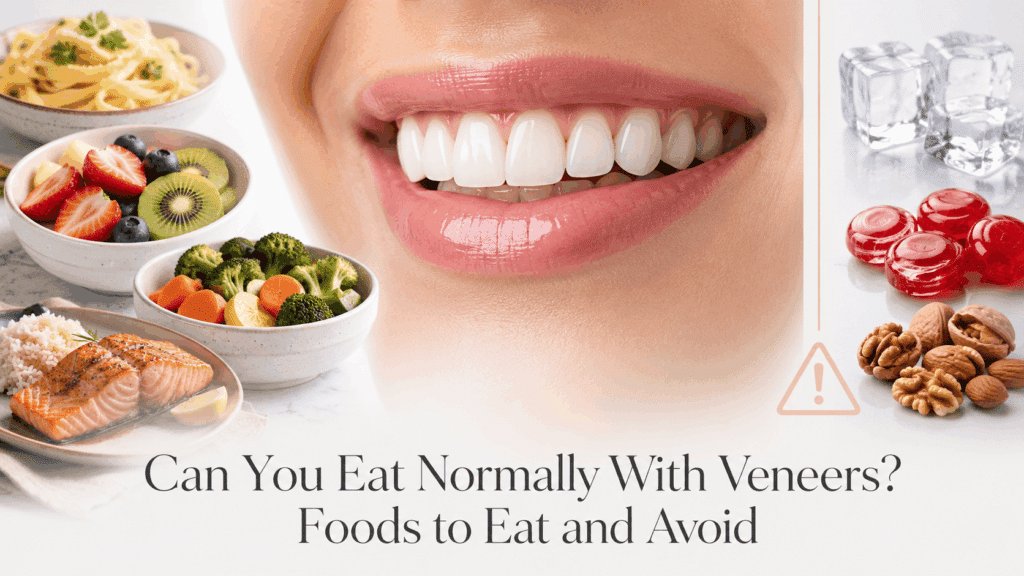
    • Soft fruits like banana or ripe melon
    • Yogurt or soft cheese
    • Pasta, rice, or soft cooked vegetables
    • Eggs prepared any way
    • Soup or broth

    These aren’t permanent restrictions. They give your mouth a short, comfortable adjustment window.

    Foods You Can Eat Normally With Veneers

    Once the initial adjustment period passes, most patients eat a wide and normal variety of foods without issue.

    • Fruits and vegetables, including moderately firm ones like apples and carrots
    • Meat and poultry prepared normally
    • Bread, pasta, and rice
    • Fish and seafood
    • Cooked grains and legumes
    • Most restaurant and everyday home meals

    The goal of a veneer is to look and function like a natural tooth. When placed and cared for correctly, it achieves that in daily eating just as much as in appearance.

    Can You Bite Normally With Veneers?

    Yes. Veneers bond securely to the front surface of your teeth using a strong dental cement. They’re designed to handle normal biting and chewing forces.

    Biting into a sandwich, an apple, or a piece of meat is exactly what veneers are built to handle. Front teeth exist specifically for biting, and veneers don’t change that function.

    Where problems arise is when patients treat their veneered front teeth as tools, using them to tear packaging, bite thread, or crack hard objects. Natural teeth can chip from these habits too.

    If you grind or clench your teeth, that additional force becomes a more significant factor. More on that below.

    Foods and Habits That Increase the Risk of Damage

    Veneers don’t require a completely different diet, but a small number of foods and habits consistently create problems worth avoiding.

    Very Hard Foods

    The biggest risks to veneers are hard foods that concentrate sudden force on a small point of the restoration.

    • Biting directly into ice or chewing it as a habit
    • Hard candy that requires significant force to break
    • Unpopped popcorn kernels
    • Hard nuts bitten directly from the shell

    These same foods can chip natural teeth too. Veneers simply remove the margin for error that natural enamel has from years of gradual use.

    Sticky and Chewy Foods

    Very sticky foods create a pulling force when you chew and swallow, which puts stress on the bond between a veneer and the tooth underneath.

    • Caramel and toffee
    • Extremely sticky candy like taffy
    • Chewing very thick gum for extended periods

    Most sticky foods eaten in normal quantities don’t cause problems. The issue arises with foods that grip and pull strongly with every bite.

    Using Teeth as Tools

    This habit damages veneers faster than almost any food can. Biting nails, opening bags or bottles, pulling tags, or holding objects in your teeth all apply uneven lateral force.

    Front teeth were designed for controlled, vertical chewing motion. Twisting, levering, or gripping motions work against that design whether veneers are present or not.

    Coffee, Tea, Wine, and Staining Foods

    One of the most common questions patients ask before getting porcelain veneers is whether they have to give up coffee or red wine.

    Porcelain veneers resist staining significantly better than natural enamel does. Their smooth, glazed surface doesn’t absorb pigment the way enamel can after years of exposure.

    The catch is that natural teeth alongside the veneers can still stain over time, which creates a color contrast that makes the veneers look different from the surrounding teeth.

    Composite veneers, which use resin rather than porcelain, are more porous and can pick up stain gradually, especially with heavy coffee or red wine consumption.

    Good oral hygiene, including regular brushing and dental cleanings, goes a long way toward keeping everything looking consistent.

    The American Academy of Cosmetic Dentistry notes that porcelain’s glazed surface gives it substantially better color stability than unprotected enamel over time.

    Does the Type of Veneer Change What You Can Eat?

    Porcelain veneers and composite veneers behave slightly differently at the table.

    Factor Porcelain Veneers Composite Veneers
    Stain resistance High, glazed surface resists pigment Moderate, resin can absorb stain over time
    Hardness Comparable to natural enamel Slightly softer, may wear faster under grinding
    Chipping risk Can chip under sudden extreme force Slightly more likely to chip than porcelain
    Repairability Usually needs full replacement if chipped Often repairable in one visit

    For both types, the food restrictions are similar. The main practical difference comes down to staining potential and how repairs are handled if damage does occur.

    Veneers and Teeth Grinding

    Teeth grinding, known clinically as bruxism, applies repeated, heavy force to every surface of your teeth, including veneers.

    Patients who grind at night without a protective night guard carry a higher risk of chipping or fracturing a veneer than patients who don’t grind.

    This doesn’t automatically disqualify someone from getting veneers. Many patients who grind are still excellent candidates with proper planning and protection.

    If you grind your teeth and are considering veneers, a consultation with Dr. Pearl Zadeh helps clarify whether a night guard or other planning makes veneers a realistic option for you specifically.

    Wearing a custom night guard is one of the simplest and most effective ways to protect veneers for patients who clench or grind.

    Habits That Protect Veneers Over the Long Term

    Most of what protects a veneer long term is exactly what protects natural teeth. The differences are minor.

    • Brush twice daily with a non-abrasive toothpaste and a soft bristled toothbrush
    • Floss daily, since the gum margin around a veneer still accumulates plaque
    • Attend regular cleanings so your dentist checks for wear, margin gaps, or staining
    • Wear a night guard if you grind or clench
    • Avoid the hard food and tool-use habits mentioned above
    • Mention any sensitivity or change in how your bite feels to your dentist promptly

    The American Dental Association emphasizes that consistent oral hygiene and routine checkups significantly extend the lifespan of any dental restoration, including veneers.

    How Long Veneers Last With Good Habits

    Porcelain veneers typically last ten to fifteen years or longer with proper care. Composite veneers generally last five to seven years before needing replacement or significant repair.

    Daily eating habits make a real difference in where a patient lands within that range. Someone who avoids ice chewing, wears their night guard, and attends regular checkups often gets significantly more years from their veneers than someone who skips those habits.

    Veneer lifespan depends heavily on how well you care for your teeth, maintain good oral hygiene, and avoid habits that place unnecessary stress on your restorations.

    Schedule a Consultation With Dr. Pearl Zadeh

    Veneers are designed for daily life, including regular meals, everyday snacks, and the foods you enjoy most. While a few simple habits can help protect your veneers over time, most patients find that their diet requires very little adjustment after treatment.

    Patients who have gone through the process share their real-world experiences in our patient testimonials, including how eating and caring for their veneers felt before and after treatment.

    Dr. Pearl Zadeh‘s Woodland Hills cosmetic dentistry practice takes the time to explain what you can realistically expect before treatment begins, including how veneers may fit into your daily lifestyle.

    Call (818) 716-6722 or click the button below to schedule a consultation online and discuss whether veneers are the right option for your smile.

    Schedule a Consultation

    This article is for informational purposes only and is not a substitute for professional dental advice. Please schedule a consultation with Dr. Pearl Zadeh to discuss your specific situation.

    Frequently Asked Questions

    1. Can you eat normally after getting veneers?

    Yes, after a brief adjustment period of one to two weeks. Most patients describe eating as completely normal once they adapt to the feel of their new teeth.

    2. Can veneers come off while eating?

    It’s uncommon with well bonded veneers, but it can happen with sticky foods, a failing bond, or unusual force. Regular checkups catch early bond issues before they lead to this.

    3. Can you eat steak with veneers?

    Yes. Chewing a normally cooked steak doesn’t place unusual force on veneers. The front teeth bite through it, and the back teeth handle the heavier chewing load.

    4. Do you have to avoid coffee with veneers?

    Not necessarily. Porcelain veneers resist staining well. Heavy daily coffee consumption can still stain natural teeth around the veneers over time, which makes consistent hygiene more important.

    5. Can you eat hard foods with porcelain veneers?

    Most firm foods are fine. Directly biting into ice or very hard candy creates a risk for veneers, just as it does for natural teeth.

    Related Articles:

    1. Porcelain Veneers: A Practical Guide for Patients
    2. Composite Veneers: Everything You Need to Know
    3. Porcelain vs Composite Veneers: Choosing the Right Option for Your Smile
    4. Digital Smile Design for Veneers: How It Helps Plan Your Smile
    5. No-Prep Veneers and Traditional Veneers: What Is the Difference?
    6. Veneers for Older Adults: Are They a Good Option?

  • how much do dental veneers cost Ventura

    how much do dental veneers cost Ventura

    Leave a review

    how much do dental veneers cost Ventura

    In the past decade there has been a dramatic interest in cosmetic dentistry. We all realize that having a healthy, bright, beautiful smile enhances our appearance and allows us to smile with confidence. Thanks to the advances in modern cosmetic dentistry, we are able to improve our teeth and smiles with quick, painless and surprisingly affordable treatments.

    What can cosmetic dental treatments do?

    • Change the size, shape, and alignment of certain teeth.
    • Fill in unattractive spaces between teeth.
    • Improve or correct bites.
    • Lighten or brighten the color of teeth.
    • Repair decayed, broken, cracked, or chipped teeth.
    • Replace missing teeth.
    • Replace old, unattractive dental treatments.

    Remember, your smile speaks before you even say a word!

    Ventura cosmetic dental services:

    How Long Do Dental Veneers Last?

    Veneers are one of the most popular cosmetic dentistry treatments available, thanks to their ability to change the appearance of your smile quickly and effectively. If you have minor cracks and chips on your teeth, discoloration, or minor shape or spacing issues, dental veneers will cover those problems and give you an aesthetically pleasing smile. As with any kind of dental treatment, if you are considering veneers, you probably are wondering how long they will last. Here is what you need to know. 

    Veneers 101

    Veneers are thin, wafer-like shells that are bonded to the front of your teeth. They are made of porcelain, and are custom-designed to match the shape and shade you desire. Your dentist will work with you to create your veneers so that they address the concerns you have with your teeth while blending seamlessly with your natural teeth. Your dentist may recommend veneers to correct misshapen or worn teeth, crooked or widely spaced teeth, and severe discoloration that does not respond to whitening treatments. Veneers can also be used to create a more uniform smile if your teeth are noticeably different in size. 

    It usually takes two visits to get veneers. During the first visit, your dentist will remove a small amount of tooth enamel to make room for the veneers. He or she will make impressions of your mouth so that your veneers can be custom-sized. Your dentist will also help you choose the color of your veneers during this visit. At your second appointment, your veneers will be bonded to your teeth after any necessary adjustments are made. 

    The Longevity of Dental Veneers

    There are many factors that impact the longevity of veneers, including how you care for them and your overall oral health. Typically, veneers last for five to 10 years, though many people are able to get many more years out of them. Following your dentist’s care plan will dramatically increase the lifespan of your veneers. 

    To care for your veneers, maintain a high-quality oral hygiene routine, including brushing at least twice per day with a soft-bristled toothbrush and flossing at least once daily. Visit your dentist at least twice per year for a professional cleaning and check-up. If you grind your teeth, talk to your dentist about using a mouthguard to protect your veneers. 

    Could veneers give you the smile you’ve always wanted? Find out if you’re a good candidate for dental veneers by scheduling a consultation with Pearl Zadeh, DDS.

    At the office of Pearl Zadeh, DDS, we’re pleased to offer safe dental care during the pandemic to our patients from our Woodland Hills dental office.

    For any dental emergencies, please call us immediately.
    Schedule your appointment by calling
    (818) 716-6722

    Phone: (818) 716-6722
    Address: 6325 Topanga Blvd Ste 311, Woodland Hills, CA 91367

    © [current_year] Pearl Zadeh DDS – Dentist in Woodland Hills | Cosmetic Dentist Near Me | All Rights Reserved.

    Mon    8:00 am – 5:00 pm
    Tue     7:00 am – 4:00 pm
    Wed   7:00 am – 4:00 pm
    Thu    8:00 am – 5:00 pm
    Fri      (by appointment only)
    Sat     (by appointment only)
    Sun    Closed

  • What Should You Do If a Veneer Chips or Falls Off?

    What Should You Do If a Veneer Chips or Falls Off?

    What Should You Do If a Veneer Chips or Falls Off?

    A chipped or dislodged veneer can feel urgent, especially when it involves a front tooth. In many cases, the situation is still manageable with prompt care.

    The tooth underneath is often still healthy. The main concern is protecting it from sensitivity, damage, or further wear. What you do right after it happens can affect the outcome.

    Some veneers can be reattached if they remain intact and the tooth surface is in good condition. Others may need replacement if the bond has failed or the veneer has cracked. A dental exam helps determine the right approach.

    Immediate steps matter, including how the veneer is handled and how quickly dental care is scheduled. Treatment decisions depend on the condition of the veneer and the underlying tooth.

    First Steps: What to Do Right Away

    Stay calm and avoid chewing on the affected tooth. A damaged veneer is rarely a true emergency, but it still needs prompt attention to protect the tooth underneath.

    If possible, locate any pieces of the veneer and store them in a clean container or small bag. In some cases, the original veneer can be reused if it remains intact. Even broken fragments can help the dentist assess the extent of the damage.

    Contact your dentist as soon as possible to explain what happened and arrange an appointment. Most chipped veneers do not require same-day emergency care, but it is still important to be seen within a few days. Early evaluation helps prevent further damage and reduces the risk of exposing the tooth.

    How to Care for a Damaged Veneer Before Your Visit

    A damaged veneer can leave the underlying tooth sensitive to temperature and pressure. Simple care at home can help reduce discomfort until your dental visit.

    Rinsing with warm salt water helps keep the area clean and can ease irritation. Try to avoid chewing on the affected side, and choose soft foods that do not require heavy biting. If the edge feels sharp, dental wax can be placed over the area to protect your cheek and tongue. This is available at most pharmacies and provides temporary comfort.

    Over-the-counter pain relief may help if sensitivity develops. It also helps to avoid very hot or very cold foods and drinks until the tooth is evaluated.

    Do not use household adhesives or super glue on the veneer. These substances can damage the tooth surface and make proper repair more difficult.

    What to Avoid After a Veneer Chips or Falls Off

    Some actions can make a damaged veneer more difficult to repair.

    Do not try to reattach the veneer at home. Proper bonding requires dental materials and controlled conditions, and incorrect attempts can damage the tooth or lead to swallowing the veneer.

    It is also important not to delay care. Leaving the tooth exposed for too long can increase sensitivity and raise the risk of decay or further damage. The area becomes more vulnerable to bacteria once the veneer is off or chipped.

    Can Your Dentist Repair a Veneer?

    In many cases, a damaged veneer can be repaired or replaced depending on the extent of the issue.

    Your dentist will first examine the veneer and the underlying tooth. This includes checking how the bite comes together and identifying what caused the damage.

    If the veneer is intact and has come off cleanly, it can often be reattached. This process is called rebonding and works best when the surface is undamaged.

    Small chips may be repaired with tooth-colored composite material. This allows minor damage to be corrected without replacing the entire veneer.

    When a veneer is cracked or structurally compromised, replacement is usually the better option. This involves taking a new impression or digital scan to create a custom restoration over two visits.

    Repair or Replacement: What to Expect

    Your dentist will discuss the best option with you. Here is a clear comparison of the two approaches.

    Feature Composite Repair Replacing the Veneer
    When it is used Small chips, minor edge fractures Large breaks, cracks, or poor fit
    Procedure Done in one visit; adds material to the tooth Requires two visits; involves new impressions and lab work
    Durability A good temporary fix; may not last as long Provides a long-term, durable solution
    Cost More affordable as a quick fix Higher cost due to lab fabrication and materials

    Long-Term Care for Your Veneers

    Veneers can last for many years when they are cared for properly. Daily habits play a major role in protecting both the veneers and the natural teeth underneath.

    A custom night guard is often recommended for patients who grind their teeth. It helps reduce pressure during sleep and protects the veneers from unnecessary stress.

    It is also important to avoid using teeth as tools. Biting hard objects like ice, pens, or hard candy can increase the risk of chips or cracks.

    Good oral hygiene supports long-term stability. Regular brushing and flossing help keep the gumline healthy and reduce the risk of decay around the edges of the veneer.

    Routine dental visits allow early detection of small issues. Minor problems such as edge wear or loosening can often be managed before they progress.

    When to Seek Immediate Help

    Most veneer problems can wait a short time for a scheduled visit, but some symptoms need faster attention.

    Severe or increasing pain should be evaluated as soon as possible. The same applies if you notice swelling, signs of infection, or ongoing bleeding around the tooth or gums.

    A loose tooth or a veneer that comes off after a strong impact to the face also needs prompt assessment. These situations may involve deeper damage that requires immediate care.

    Schedule Your Consultation with Dr. Pearl

    A chipped veneer can feel stressful, but modern dentistry offers effective solutions. The key is acting quickly and contacting your dentist. Do not try to fix it yourself. Professional care protects your tooth and restores your smile.

    Dr. Pearl Zadeh and her team are here to help. We specialize in repairing and replacing damaged veneers. We use advanced materials for natural-looking results, and we also focus on identifying the underlying cause. This helps prevent the problem from recurring.

    Call our office at (818) 716-6722 or click the button below to schedule a consultation. Let us help you protect your smile.

    Schedule a Consultation

    Frequently Asked Questions

    1. Can a dentist reattach a veneer that fell off?

    Yes, dentists can often rebond an intact veneer. The success depends on the condition of the tooth and the veneer. It also requires a clean, dry surface for the new bond.

    2. Is a chipped veneer a dental emergency?

    No, a chipped veneer is not a true emergency. You can protect the tooth at home. Still, you should book an appointment with your dentist within a few days.

    3. Can a dentist fix a chipped veneer without replacing it?

    Yes, for small chips, a dentist can use composite resin to repair the damage. This is a quick and less expensive option.

    4. What happens if a veneer falls off and I swallow it?

    You will simply pass the veneer naturally. Contact your dentist to schedule a repair appointment.

    5. How can I prevent my veneers from chipping in the future?

    Wear a custom night guard if you grind your teeth. Avoid chewing on hard objects. Practice good oral hygiene. Visit your dentist for regular checkups.

    Related Articles:

    1. Porcelain Veneers: A Practical Guide for Patients
    2. Composite Veneers: Everything You Need to Know
    3. Porcelain vs Composite Veneers: Choosing the Right Option for Your Smile
    4. Veneers vs Teeth Whitening: Which One Should You Choose?
    5. Do Dental Veneers Look Natural or Fake? What Makes the Difference